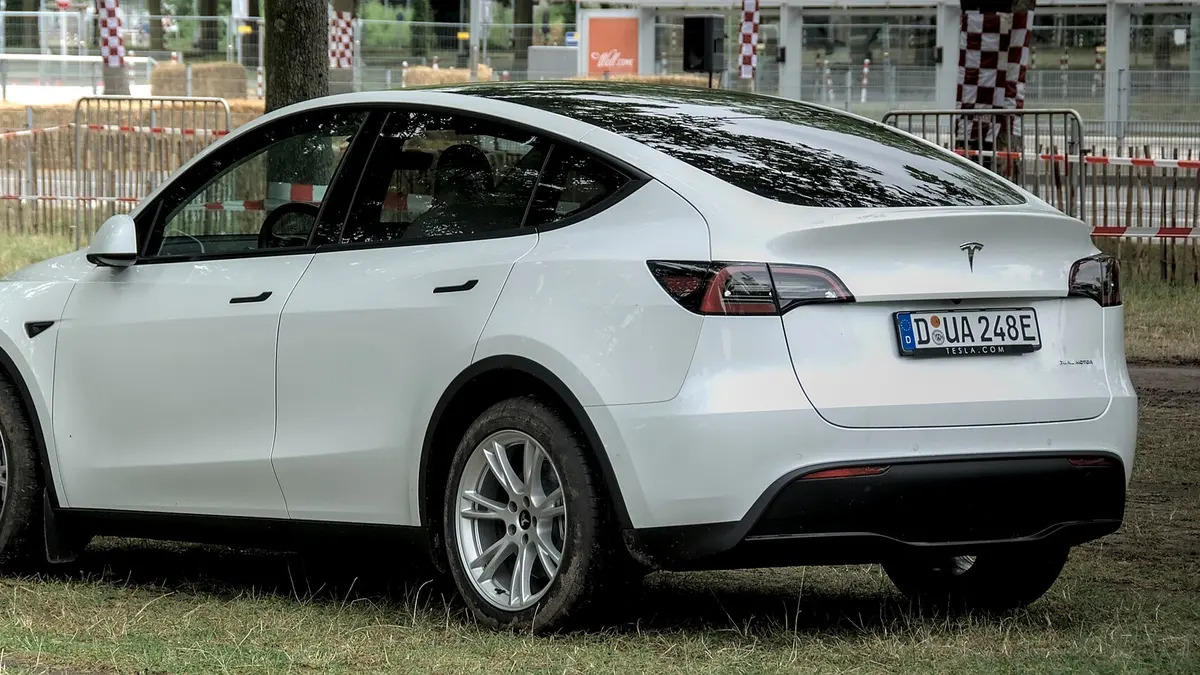
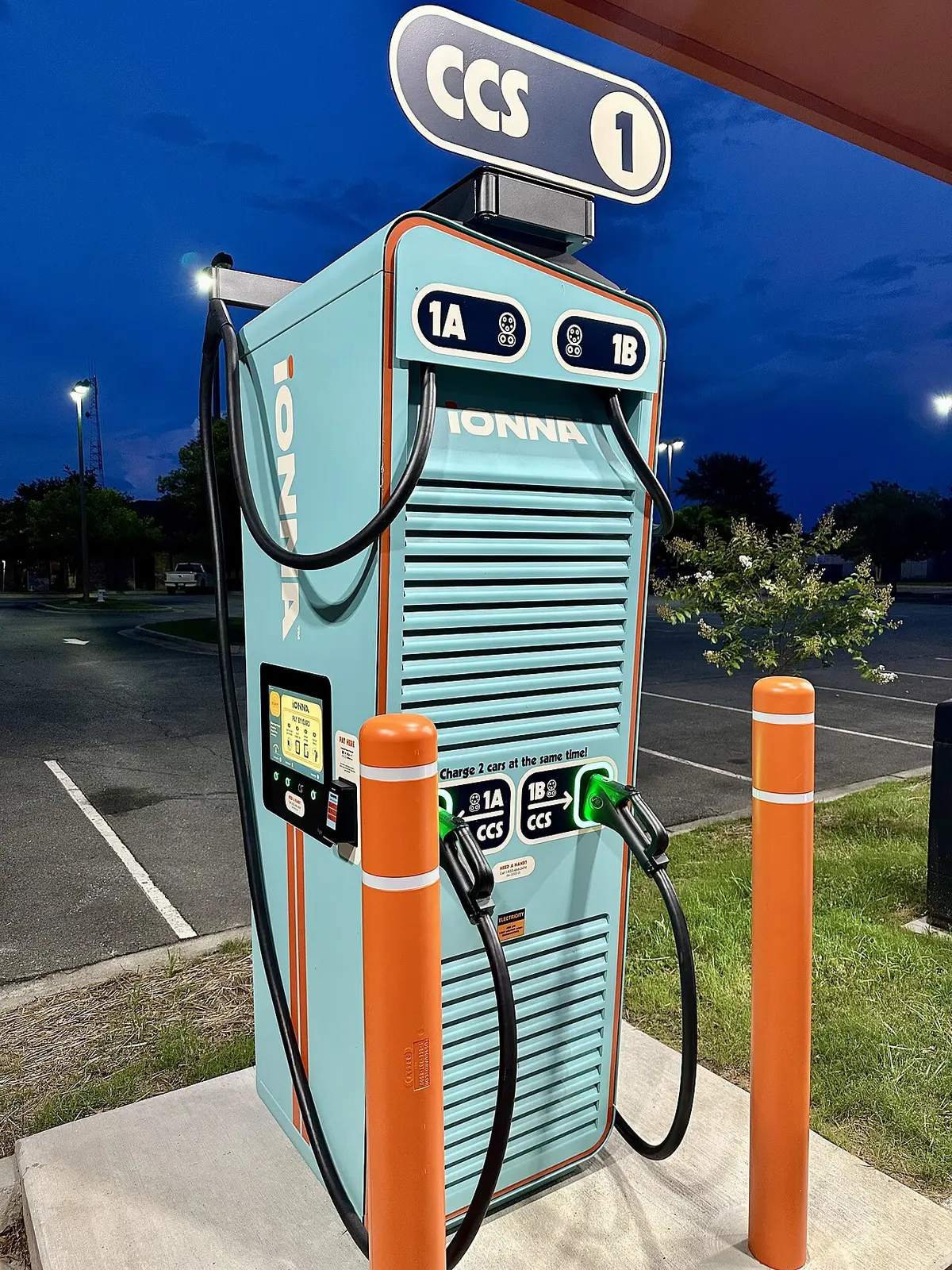
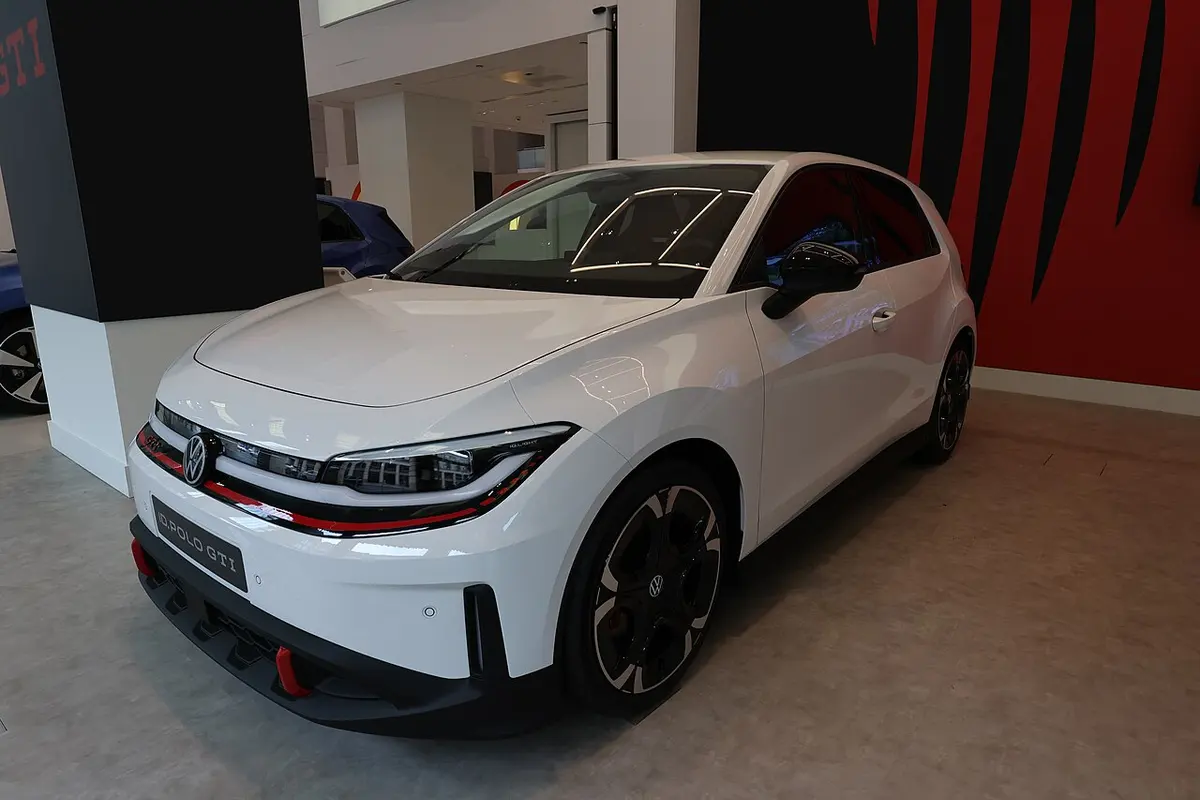
A margin of almost 70,000 cars put battery-electric vehicles ahead of petrol and diesel combined in the EU in October. These are cars powered by batteries, without a petrol or diesel engine. EU registrations reached 279,799, according to data from the European Automobile Manufacturers' Association, the EU auto industry's main lobbying and standards group.
Petrol-only registrations fell 30% from a year earlier, to 158,970, and diesel registrations dropped 31%, to 51,177. Electric cars made up 29.8% of all new cars registered that month. The total market grew 2.6%, to 939,447, so the electric-car jump came as the overall market grew more slowly.
A year earlier, petrol and diesel together had outsold electric cars by about 127,000. Now you can see how quickly that monthly balance has shifted. The October registration figures also show that electric cars had already passed petrol and diesel combined across July, August and September, though by a smaller margin.
Germany and France drove much of October's increase. Germany registered 94,086 electric cars, up 60.7% from a year earlier; France registered 61,958, up 79.4%. But the change isn't uniform: in Romania, electric cars beat petrol cars by just seven registrations, while petrol and diesel together still led.
A wider choice of smaller, more affordable electric models gives buyers more options, but hybrids remain the most popular choice across the year so far. Full and mild hybrids made up 36% of registrations from January through October, compared with 23.4% for battery-electric cars. You still get a different picture when you zoom out from one standout month.
Petrol and diesel also remain ahead of electric cars in the year-to-date count. The sources differ slightly on their combined total, at 2.61 million and 2.62 million; both put electric cars at 2.21 million. That lead is far narrower than a year ago, when petrol and diesel had more than twice as many registrations.
The October result marks a sharp change in the monthly race, but it hasn't settled the market's direction. The more useful measure for buyers is whether electric cars keep gaining ground across the year, while hybrids remain the leading choice overall.