On 25 November 2026, the FCC gave SpaceX conditional approval to deploy up to one million Starmind computing satellites in low Earth orbit. The satellites would process AI data in space and relay results to Earth through Starlink. Before deploying satellites that would operate above 600 kilometres, SpaceX must apply to change its license and submit a final debris plan to the FCC.
The Federal Communications Commission requires at least one satellite to be operating in its assigned orbit by 25 November 2033. SpaceX must then have 100,000 in operation by 25 November 2035 and half the approved total by 25 November 2038. The full constellation must be operating by 25 November 2040.
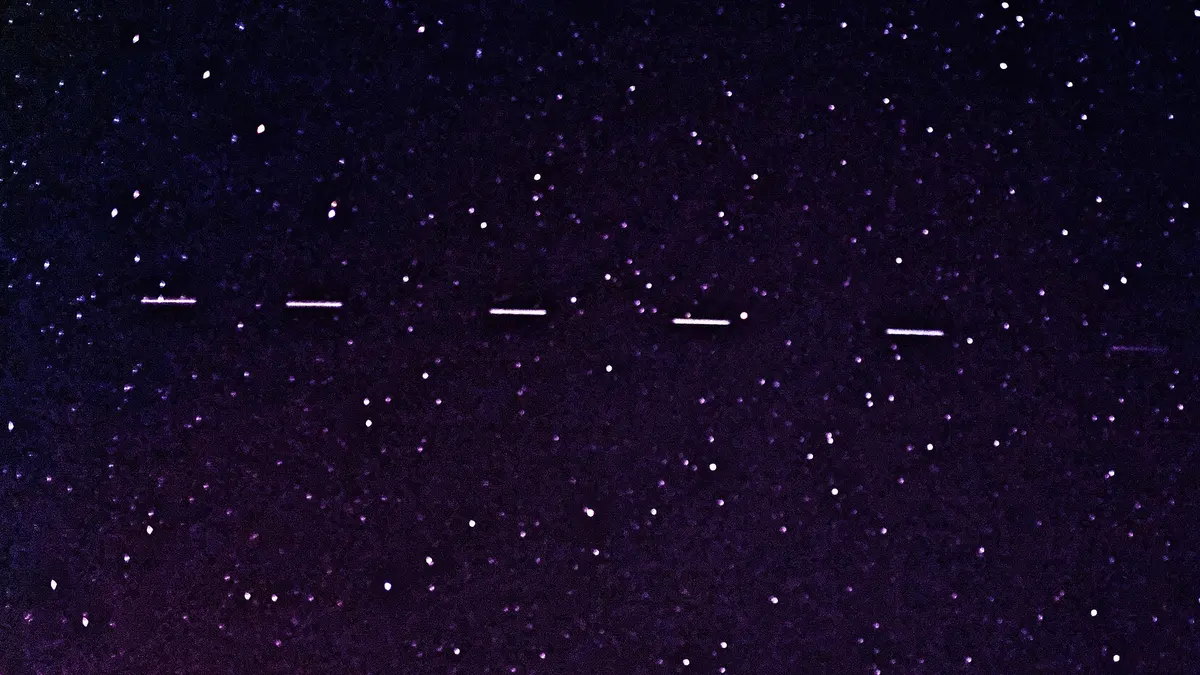
The American Astronomical Society, a group of professional astronomers, warned that the plan could undermine decades of federal investment in astronomy facilities. Its concerns include bright satellites affecting optical and infrared astronomy and radio interference affecting radio astronomy. That puts the issue beyond research: the same bright satellites could change the night sky you see.
The plan's pitch is that solar power in orbit could lower data centers' impact on Earth. But computers produce heat, and space does not cool them well. Cooling them could be a major engineering challenge. So questions remain about how to run the equipment.
Satellites travel at roughly seven kilometres per second. A collision can scatter debris that leads to more collisions. An astronomer writing for The Conversation describes this as a risk of cascading collisions in low Earth orbit. The FCC approved the plan, but that does not mean all one million satellites are in orbit.
The approval sets a path for a vast constellation, but its effect on research and the night sky will depend on how many satellites actually reach orbit. Deployment is the next thing to watch.