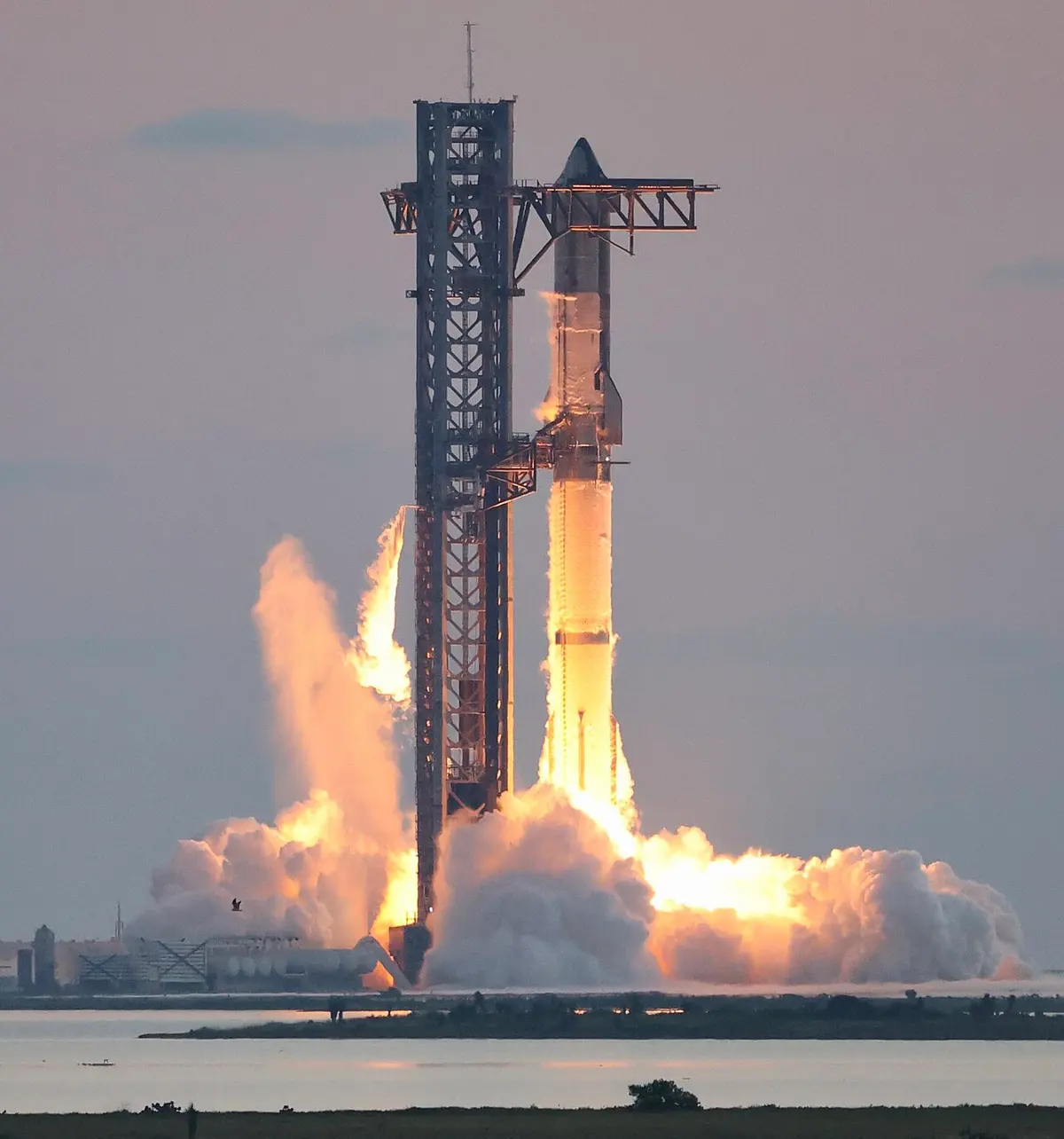
A million satellites is the upper limit SpaceX can now pursue for its planned orbital data centers. The Federal Communications Commission, the US agency that regulates satellite communications, gave conditional approval to the Starmind project. SpaceX still needs FCC approval for its plan to handle debris from satellites above 600 kilometres.
The goal is to process data for artificial intelligence above Earth, then send the results back. The satellites would use sunlight for power and connect mainly by laser, with SpaceX's Starlink network helping relay data to the ground. You could think of it as moving part of an AI data center into orbit, not moving the whole service out of reach.
The approval sets a long schedule. SpaceX must put its first working satellite in orbit by November 2033, deploy 10% of the approved total by November 2035, and reach 50% by November 2038. The full million must be in orbit by November 2040.
There are hard engineering problems between approval and a working system. In space, heat leaves hardware through radiation, and handling that for so many processors is a challenge. The satellites also need to move large amounts of data between orbit and Earth. Their planned altitudes range from 500 to 1,002 kilometres.
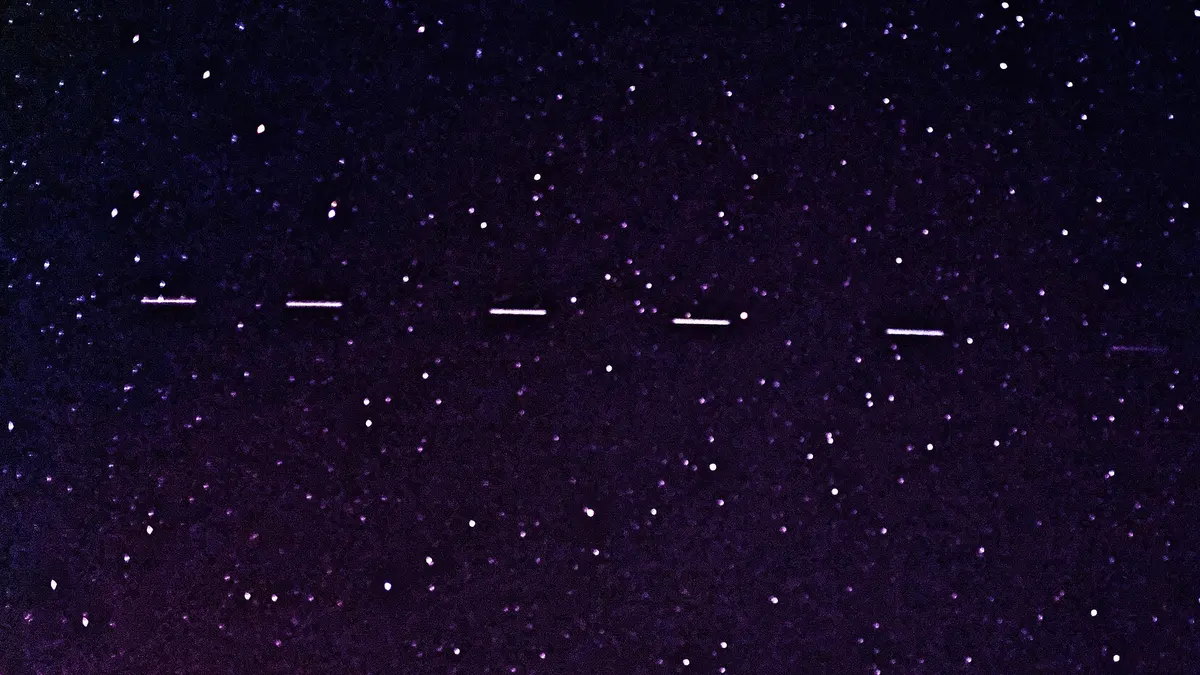
The plan has drawn objections over orbital debris, radio interference and environmental effects, as well as crowded skies. Amazon called the application an ambition without enough detail to count as a real plan. The American Astronomical Society raised concerns that larger, more numerous satellites could stay visible in the night sky for longer, affecting what you can see and what astronomers can study. The FCC dismissed some objections as outside its authority.
This approval gives SpaceX a path to try a striking idea, but the scale makes execution matter as much as the promise. Execution will show whether the system can move AI data reliably while sharing the night sky with everyone below.