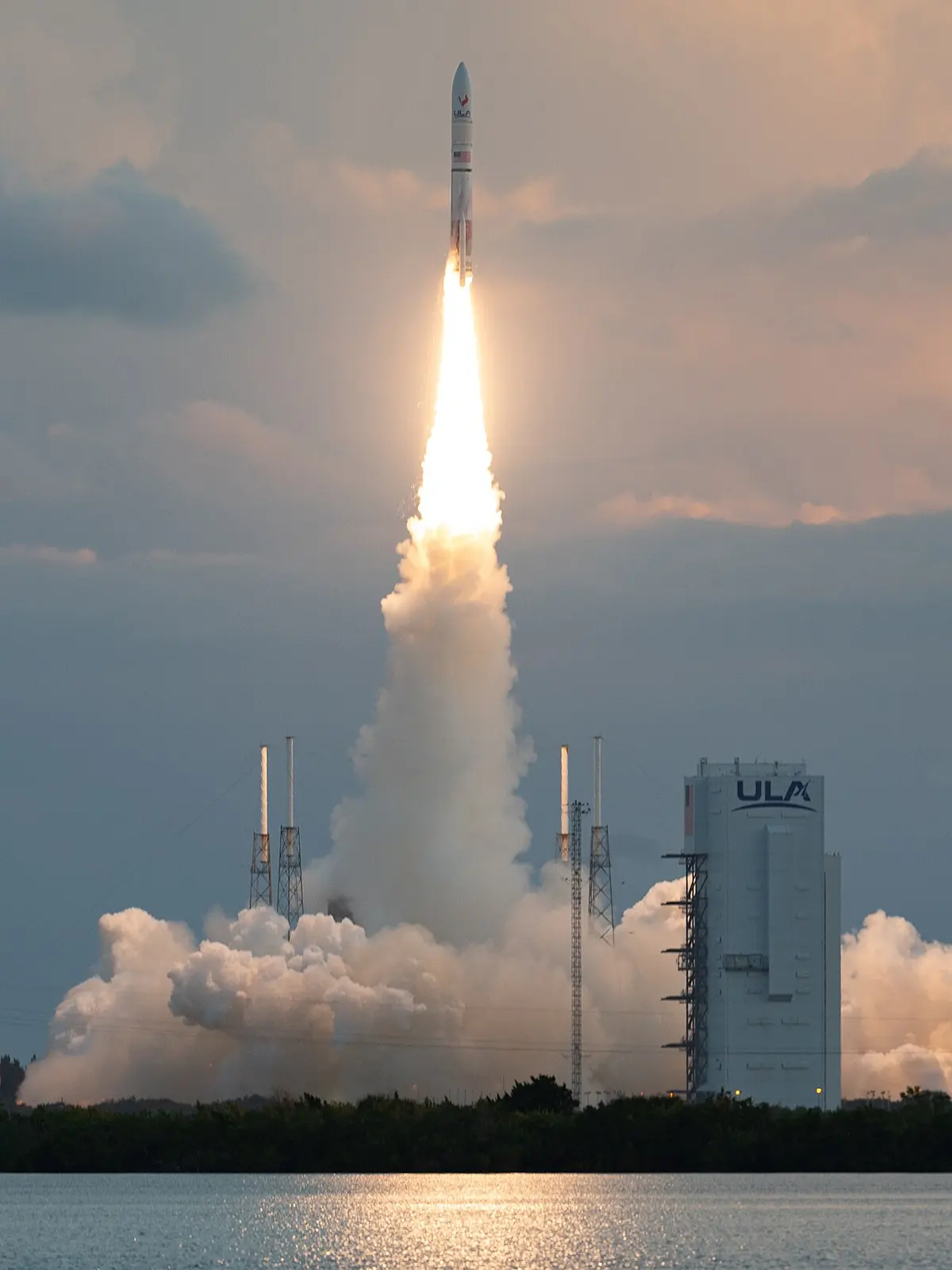
Forty Amazon internet satellites were lost when the Vulcan Centaur rocket failed in flight. The rocket, built and flown by United Launch Alliance, lost its mission about 10 minutes after liftoff. The signs of trouble began much earlier.
The first-stage booster did not perform strongly enough, based on ULA's initial account. That left the rocket's two stages separating while it was too low and moving too slowly to reach orbit. The upper stage worked, but it couldn't make up for the lost speed and height.
The exact booster fault is still being investigated. ULA said the updated booster nozzles performed as expected, following changes made after nozzle problems on two earlier flights. Vulcan has flown five times, and problems have affected three of those missions. The earlier flights still delivered their cargo to orbit; this one did not.
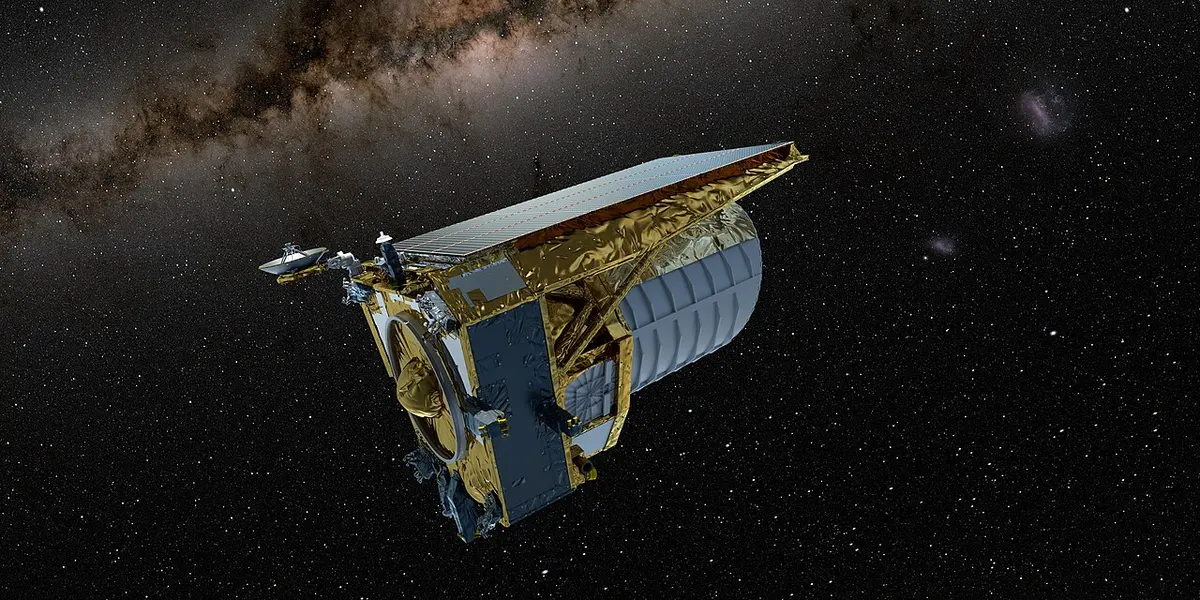
For Amazon, this was the first of thirty-eight Vulcan launches booked to help build its Amazon Leo internet network. The company has booked about 100 launches across several rocket types. About 400 Amazon Leo satellites are already in orbit after 14 launches, so if you use the network, the lost 40 add a setback to a plan that depends on many flights.
The bigger question is whether the investigation finds a fault that affects future Vulcan launches. That matters to Amazon because the rocket is one part of a much larger launch plan. The investigation has only just begun, and the exact booster fault remains unknown.