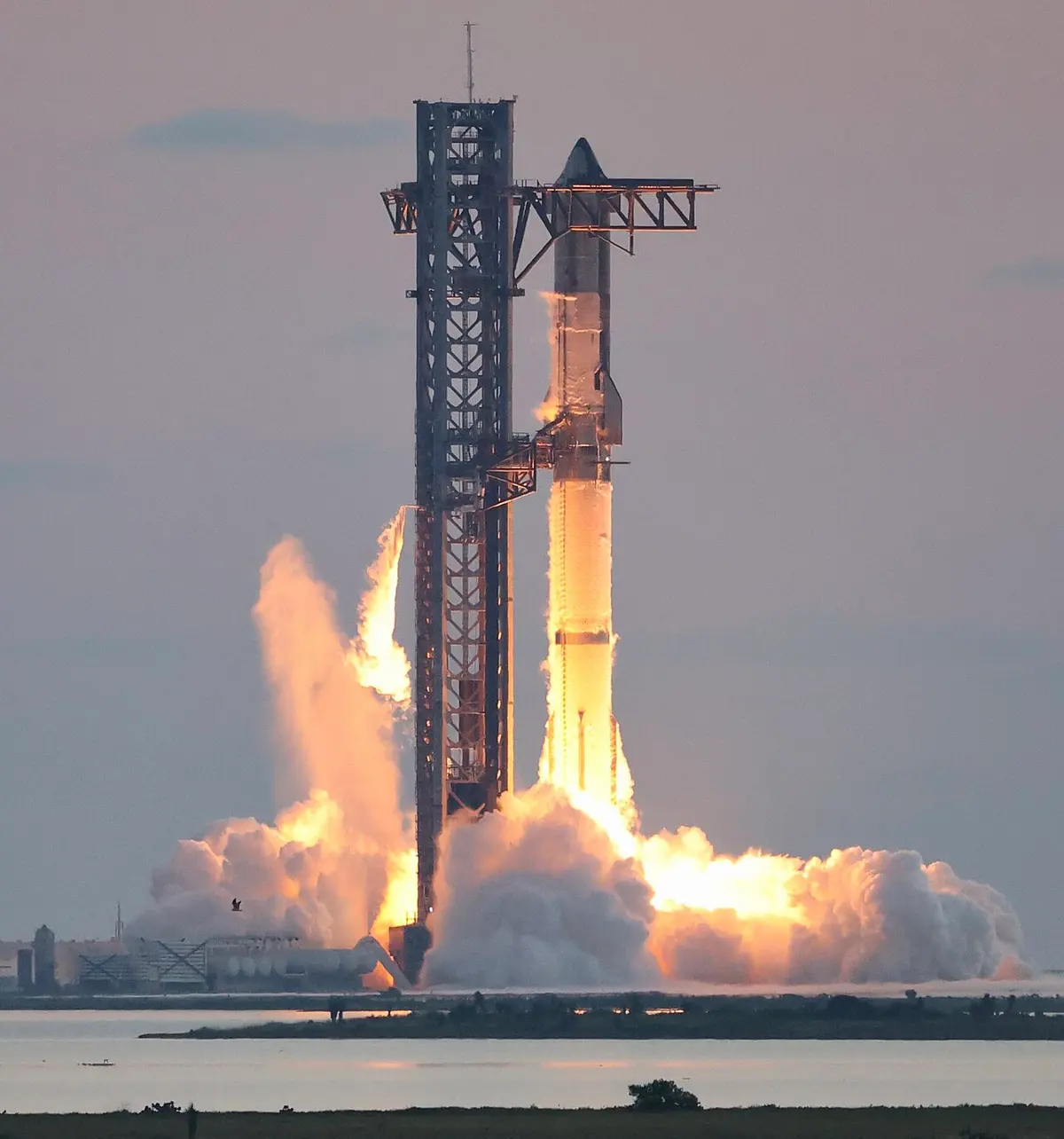
SpaceX's Starship, a two-stage rocket designed for reuse, reached orbit on 13 November. Its booster fell into the Gulf of Mexico and exploded instead of returning to the launch pad for a catch.
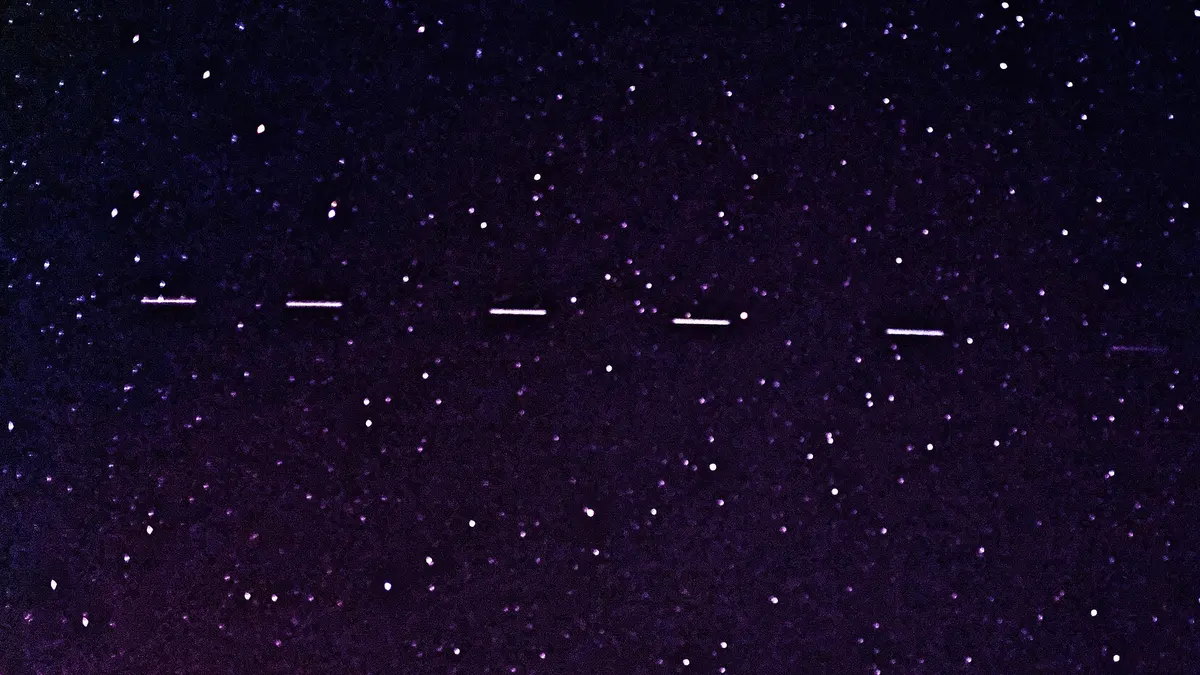
The upper stage kept going after the booster separated. It released 26 Starlink satellites in orbit, while the booster was diverted offshore.
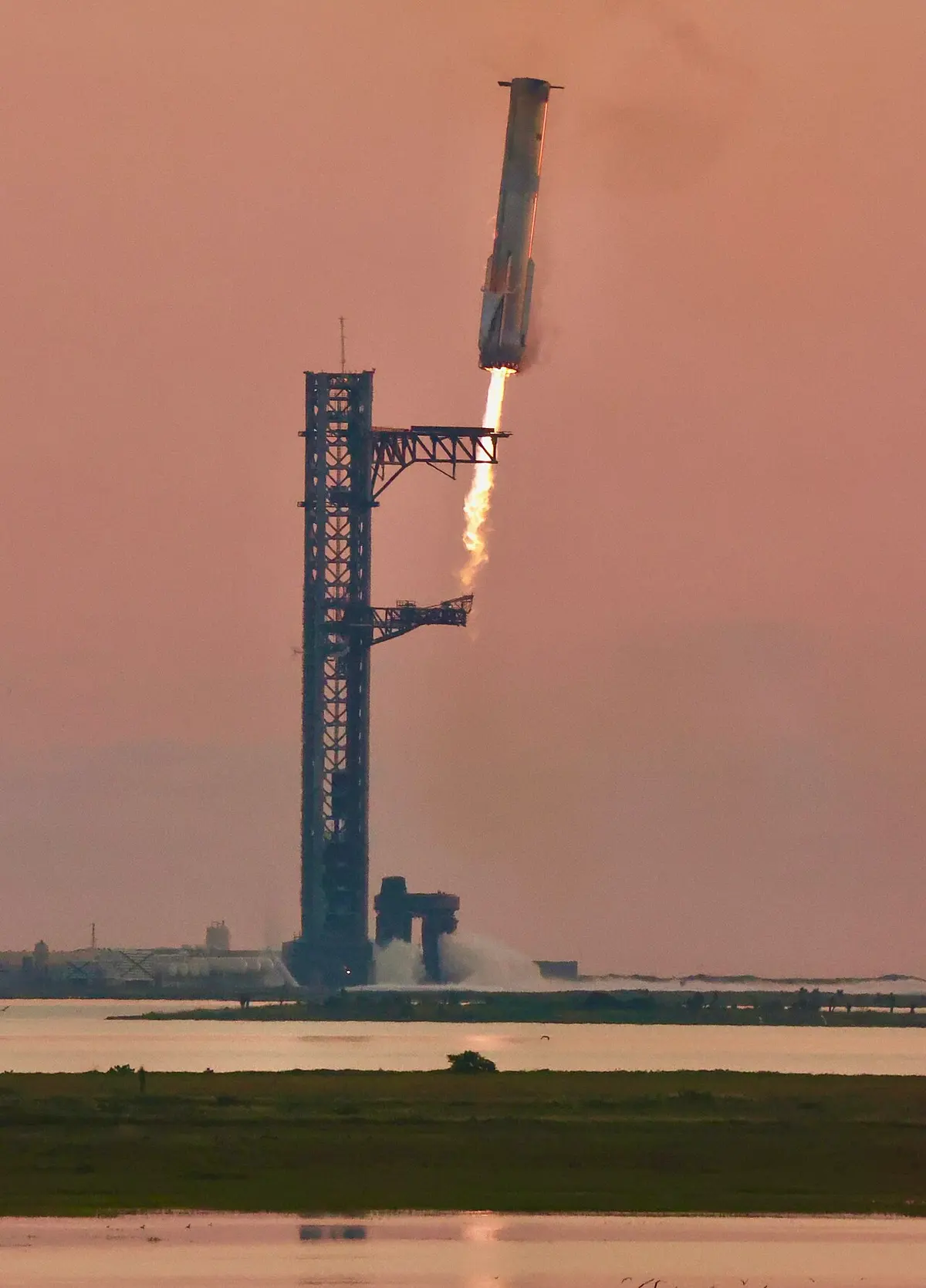
SpaceX had caught its Super Heavy booster, the rocket's first stage, on three earlier test flights. This was the first attempt to catch both stages in one flight. The company had hoped to recover every part for future reuse.
The spacecraft is due to try a return to the launch pad on 14 November. Mechanical arms on the launch tower are meant to catch it in midair. The flight could last as long as 22 hours, and SpaceX does not yet know why it diverted the booster.
You can see why that difference matters: reaching orbit shows Starship can carry out part of the mission, but it doesn't show that the whole rocket can be recovered. SpaceX's goal is a launch system that can fly again quickly, with both stages returned for reuse.