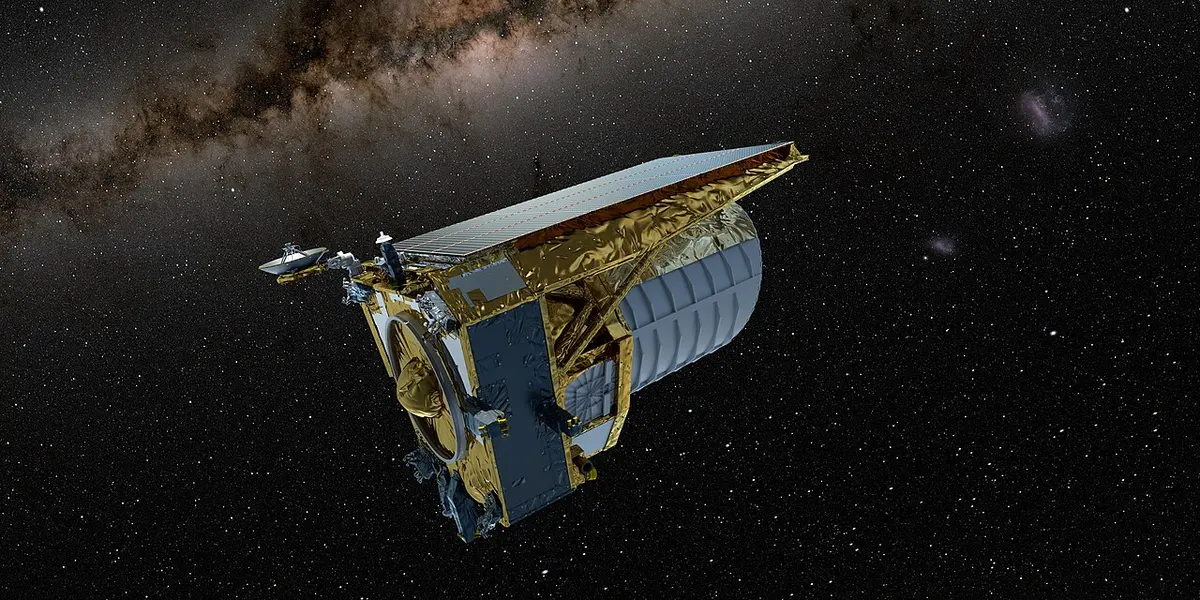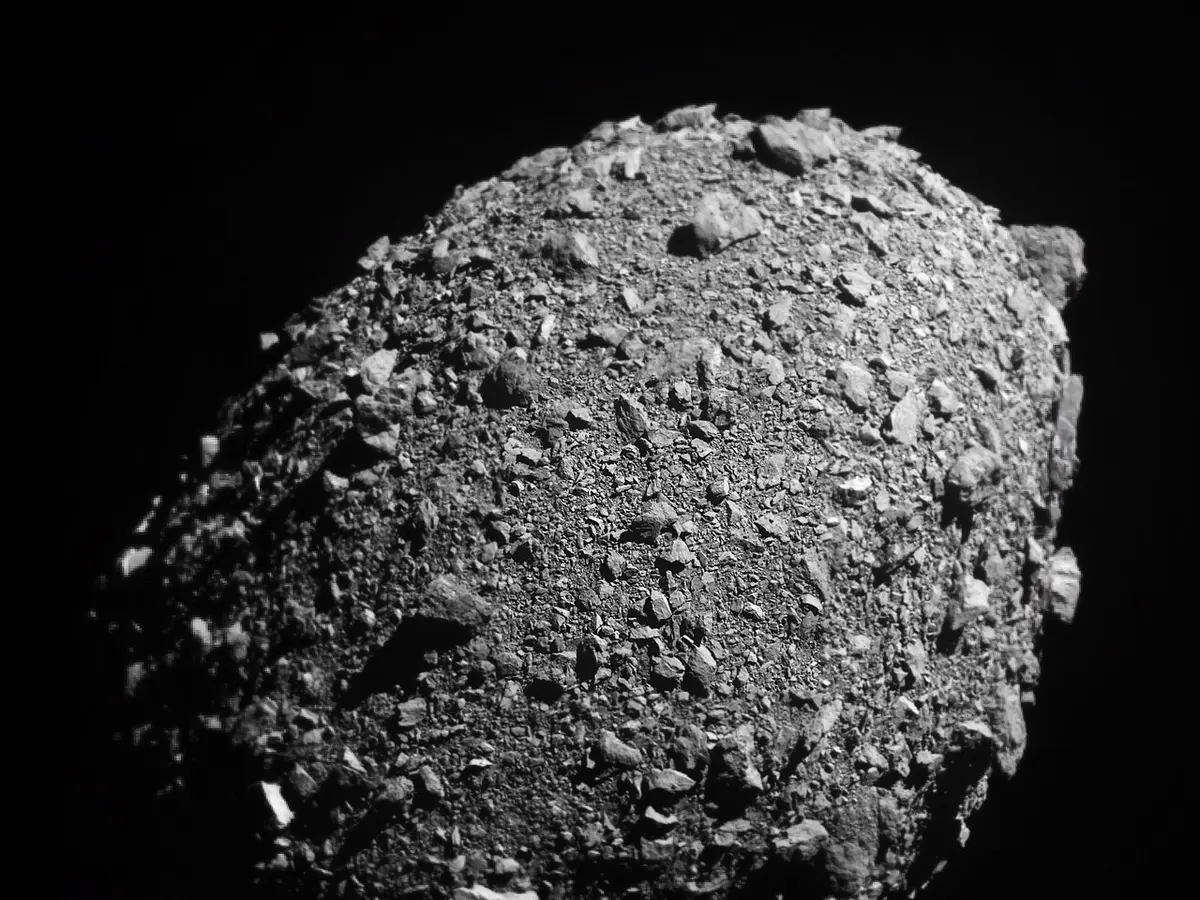
The European Space Agency's Hera spacecraft has sent back the first close views of Dimorphos since NASA's 2022 impact test. A stadium-sized crater crosses the small asteroid's entire face, flattening it. Dimorphos is about 151 metres wide and orbits the larger asteroid Didymos.
NASA's DART spacecraft struck Dimorphos on 26 September 2022 to test whether an impact could shift an asteroid's path. Earth-based telescopes found that its orbit around Didymos became about 33 minutes shorter, far more than the minimum change NASA had set for success. That showed the strike changed the orbit; Hera's images reveal what it did to the asteroid itself.
Scientists had debated whether the impact made a crater, changed Dimorphos's shape, or left it largely unchanged. The answer is a mix: the crater spans the asteroid's width, while its other boulder fields show no major change. The impact also left Dimorphos tumbling chaotically.
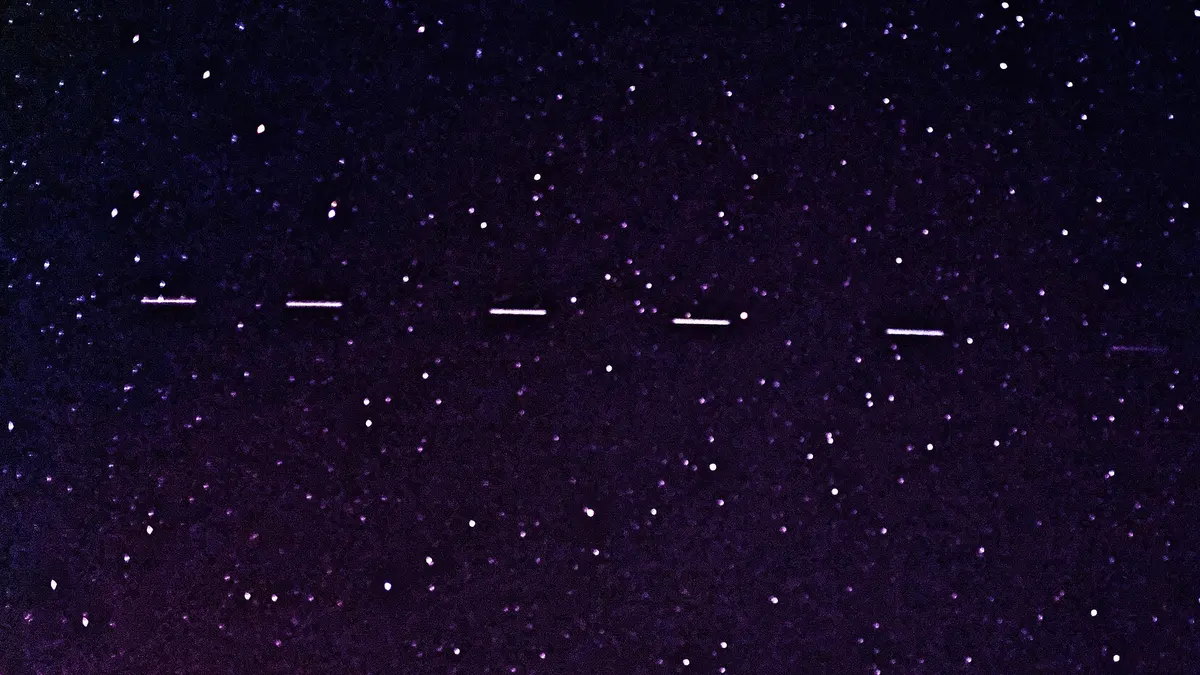
Hera spotted hundreds of boulders circling the asteroid pair, some only a few metres across. Scientists still need more information to tell whether DART threw them off or whether they were older debris already near the pair, as Ars Technica explains.
This detail matters because asteroids vary in shape, density and makeup. A spacecraft strike that shifts one asteroid's orbit may not have the same effect on another. Hera's measurements will help scientists improve models of how future impacts might move asteroids that threaten Earth.
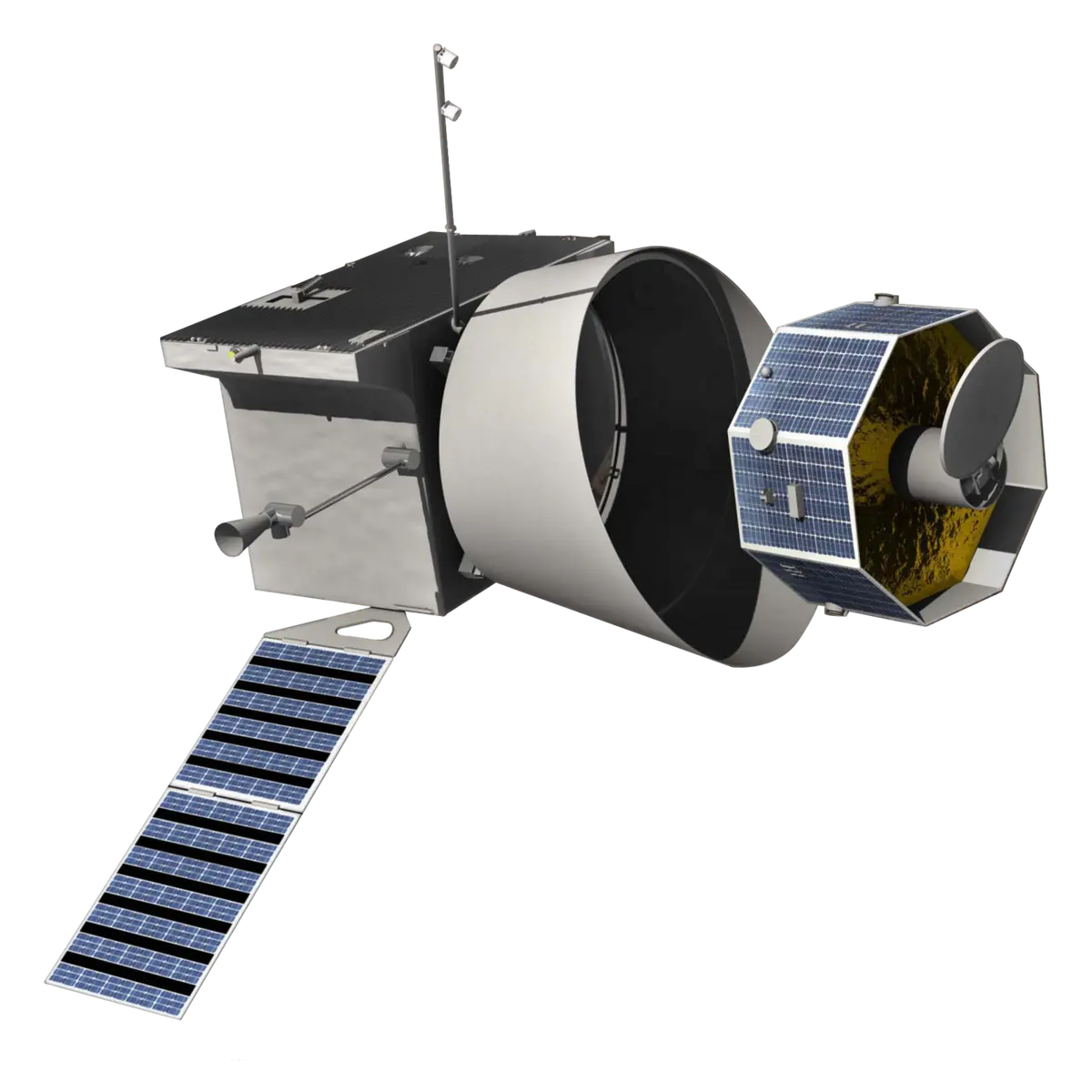
Hera is observing from about 25 to 30 kilometres away. The mission plans a closer approach in December. Two small CubeSats are due to deploy in January 2027; one will use radar to probe inside Dimorphos, while the other studies nearby asteroid material and dust.
If an asteroid threatened Earth, you'd want scientists to know how it might respond to a hit. Further images and measurements should help show whether this crater can make that response easier to predict.