Screen time may matter most at age 1 and the start of school
A study found links between screen use at two ages and later learning. It cannot show that screens caused the differences.
Science news explained in simple words: new research, discoveries and the animal world, with what scientists found and why it matters.
A study found links between screen use at two ages and later learning. It cannot show that screens caused the differences.
New measurements show how fast the ground is dropping in some African coastal cities. That can add to flood risk for people, buildings and assets.
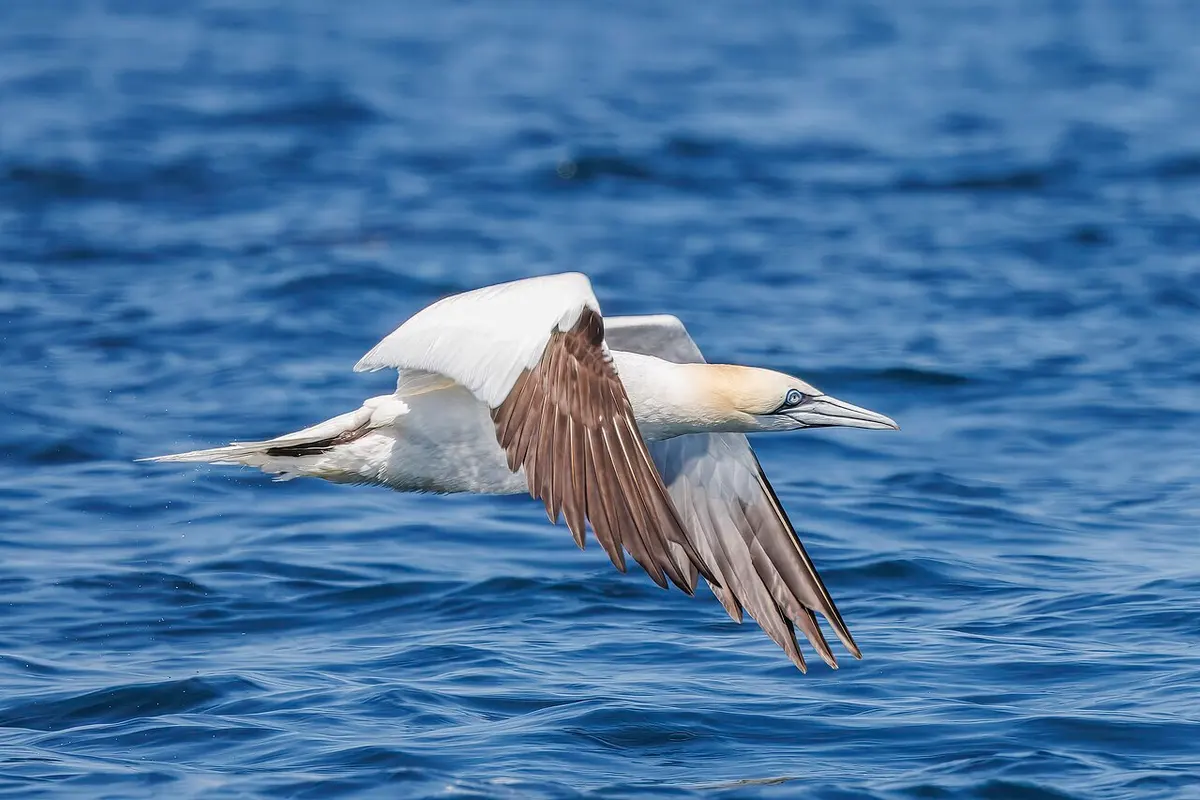
GPS and sound recordings from seabirds picked up vessels that ship-tracking data missed. Those gaps matter when researchers map risks to birds.
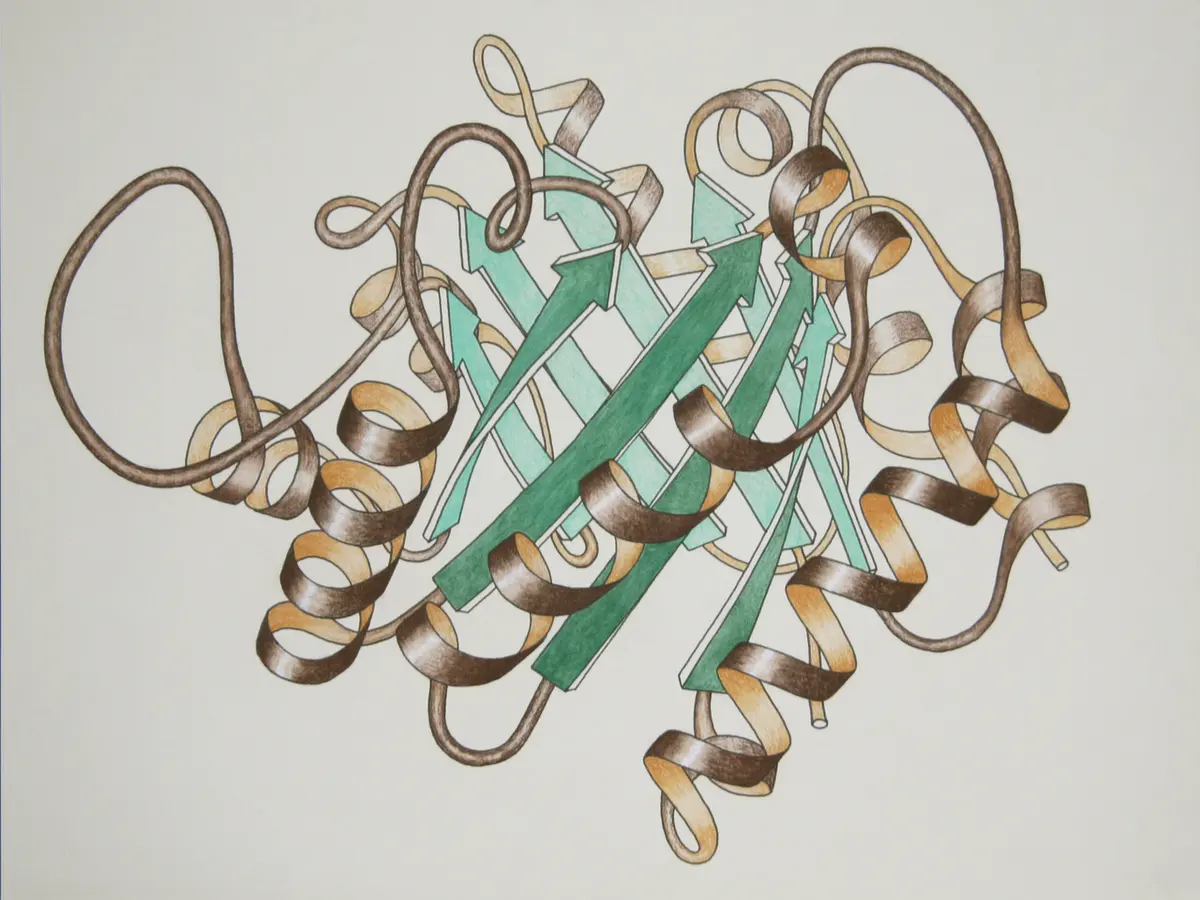
OpenAI tested model-designed proteins in a lab, while a separate test found Claude could predict some protein sequences well. The results show promise, with specialist tools still doing part of the work.
New measurements show how fast the ground is dropping in some African coastal cities. That can add to flood risk for people, buildings and assets.
A study found links between screen use at two ages and later learning. It cannot show that screens caused the differences.
GPS and sound recordings from seabirds picked up vessels that ship-tracking data missed. Those gaps matter when researchers map risks to birds.
OpenAI tested model-designed proteins in a lab, while a separate test found Claude could predict some protein sequences well. The results show promise, with specialist tools still doing part of the work.
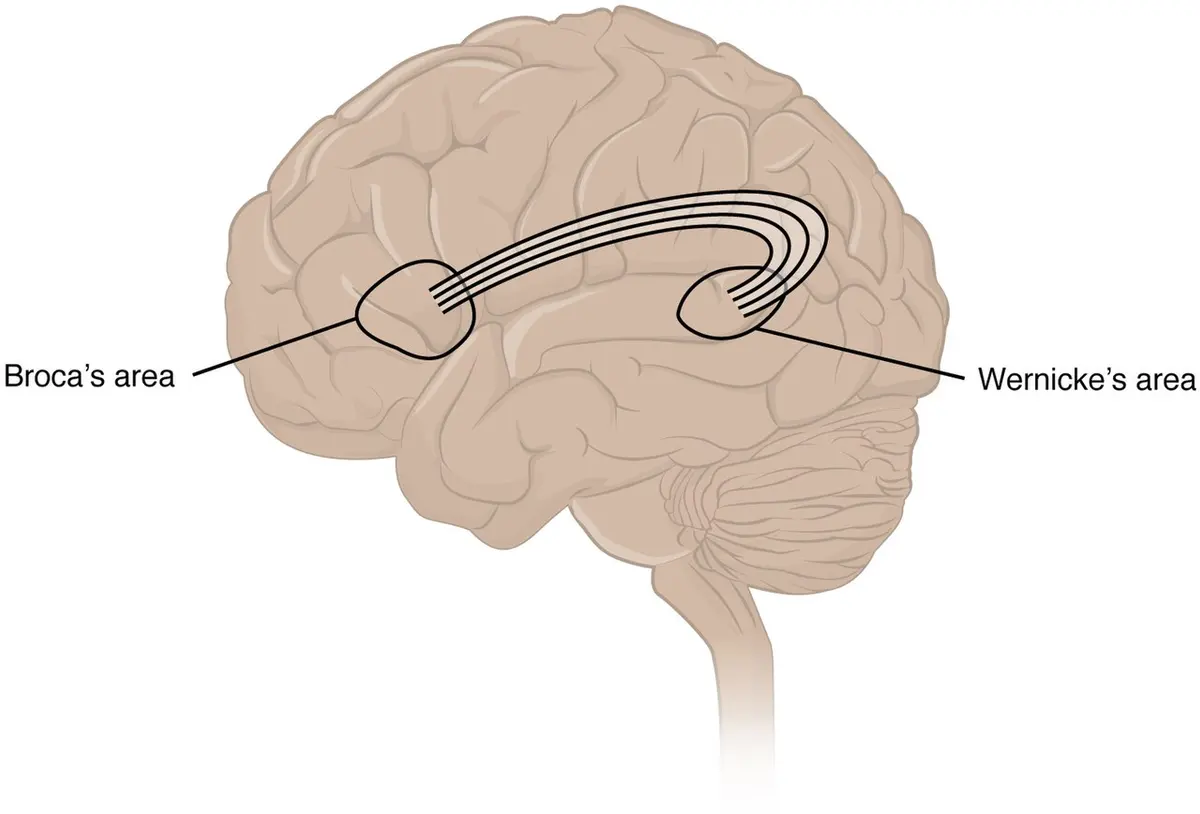
The finding could change how scientists study speech difficulties and build brain devices for people who cannot communicate.
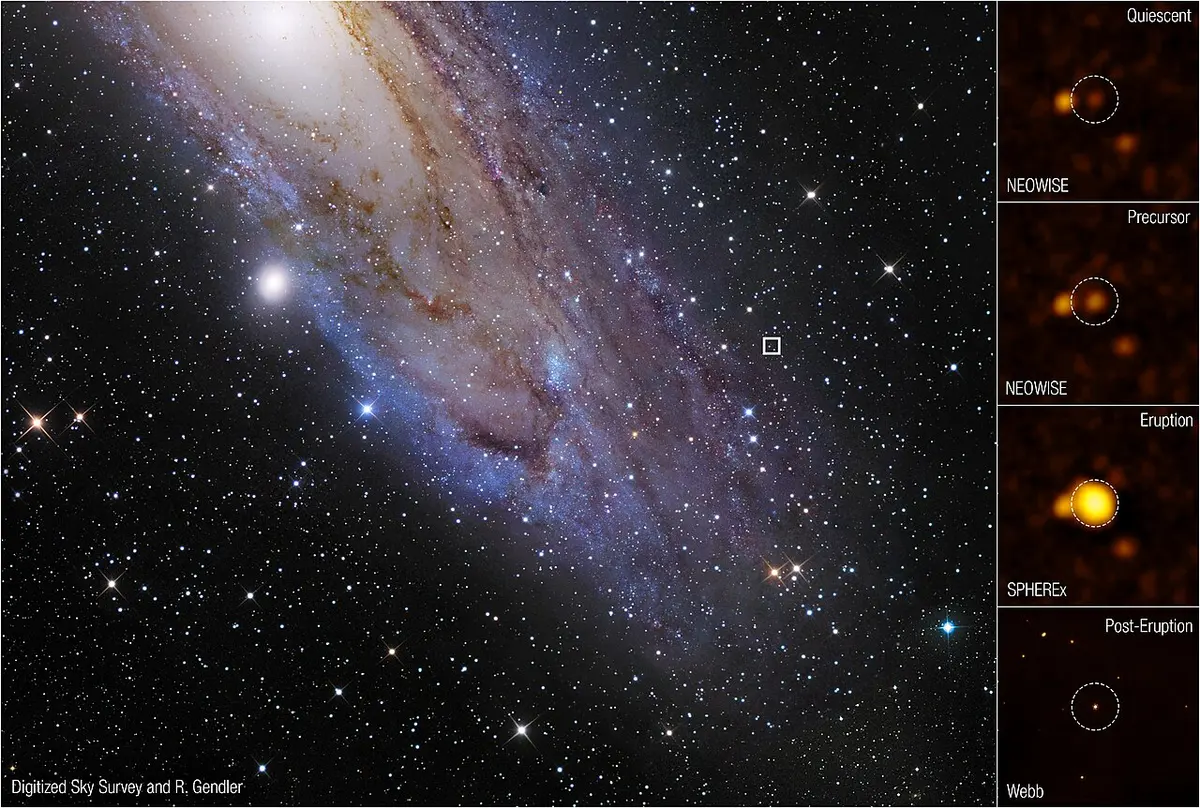
Webb saw the aftermath just 47 days after the eruption peaked, while years of observations captured the approach. Astronomers still disagree on whether the smaller star survived.
A correction can fix a paper without accusing its authors of misconduct. An editor says rising submissions leave little time for checks.
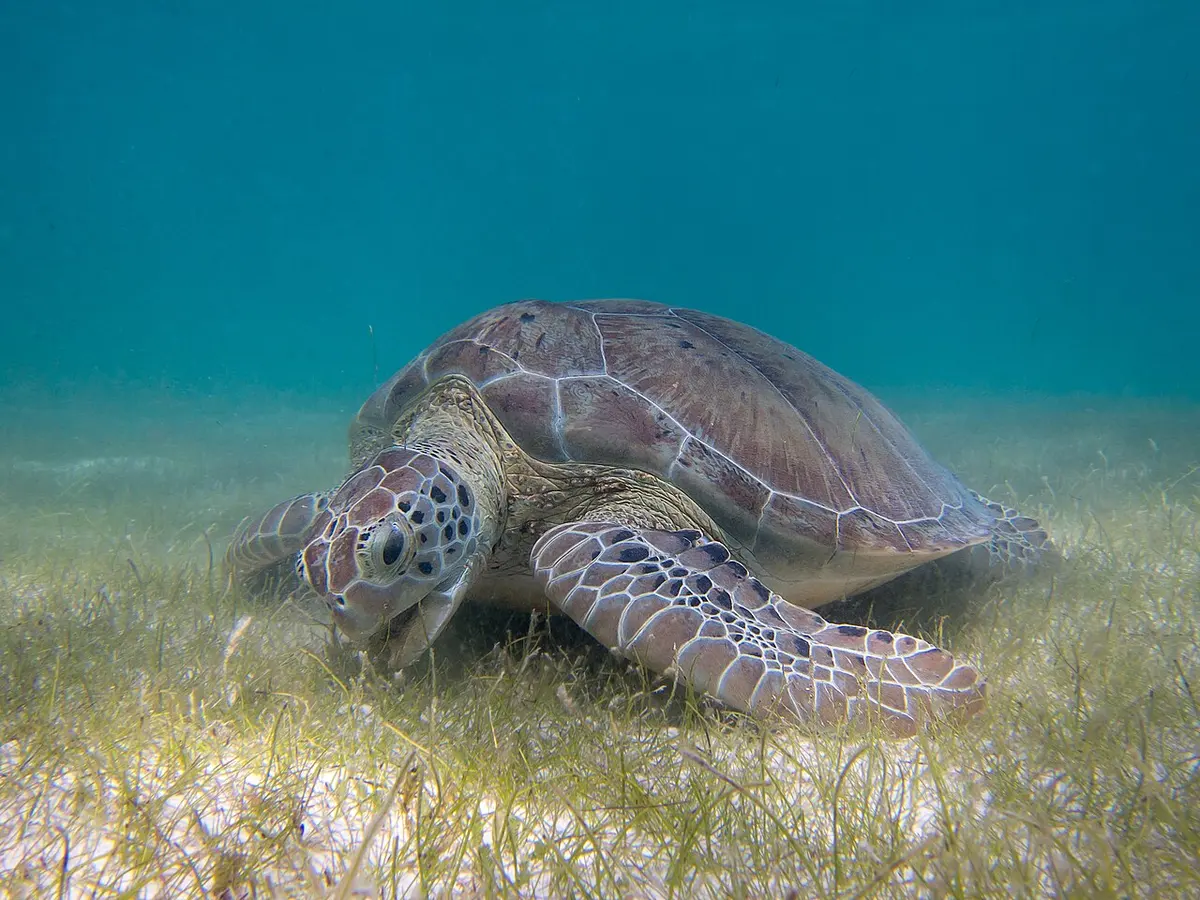
Tags revealed that one protected coastal area serves as a nursery for young turtles. A channel connecting it to the sea remains outside the protected zone.
Researchers measured air pollution in homes, schools and sports centres across six European cities. Homes with wood heating had some of the highest readings.
A review of experiments found changes in most of the species studied. The effects reach from how animals hunt to where they can live.
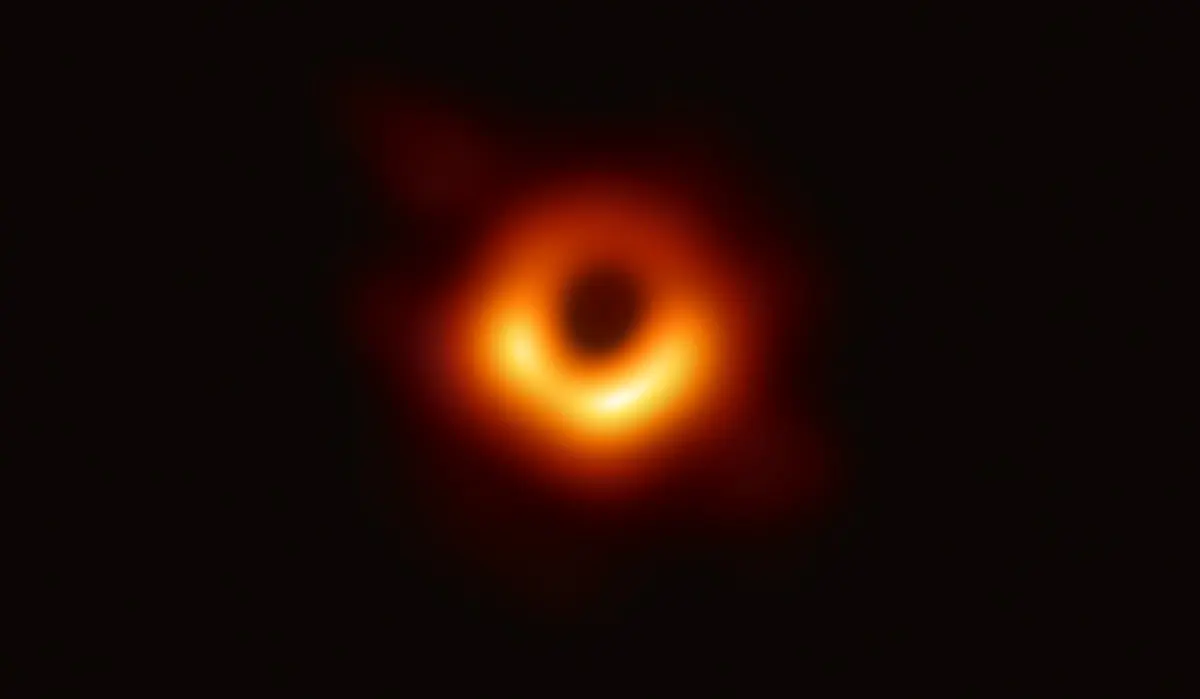
A new analysis of the original data found a ring much like the one shown in 2019. The result strengthens the case that gravity bends light around black holes as expected.