Animal health and behavior are changing across land and sea. Human-made noise reaches nearly every habitat, and the ocean's background sound is about 10 times higher than in 1950. A meta-analysis, which combines results from many studies, looked at 214 experiments on animals living in water and on land.
Noise altered at least one physiological, developmental or behavioral trait in 80 per cent of the species studied. The studies covered 177 species across six continents. You can see the reach of the findings in that mix of animals and habitats.
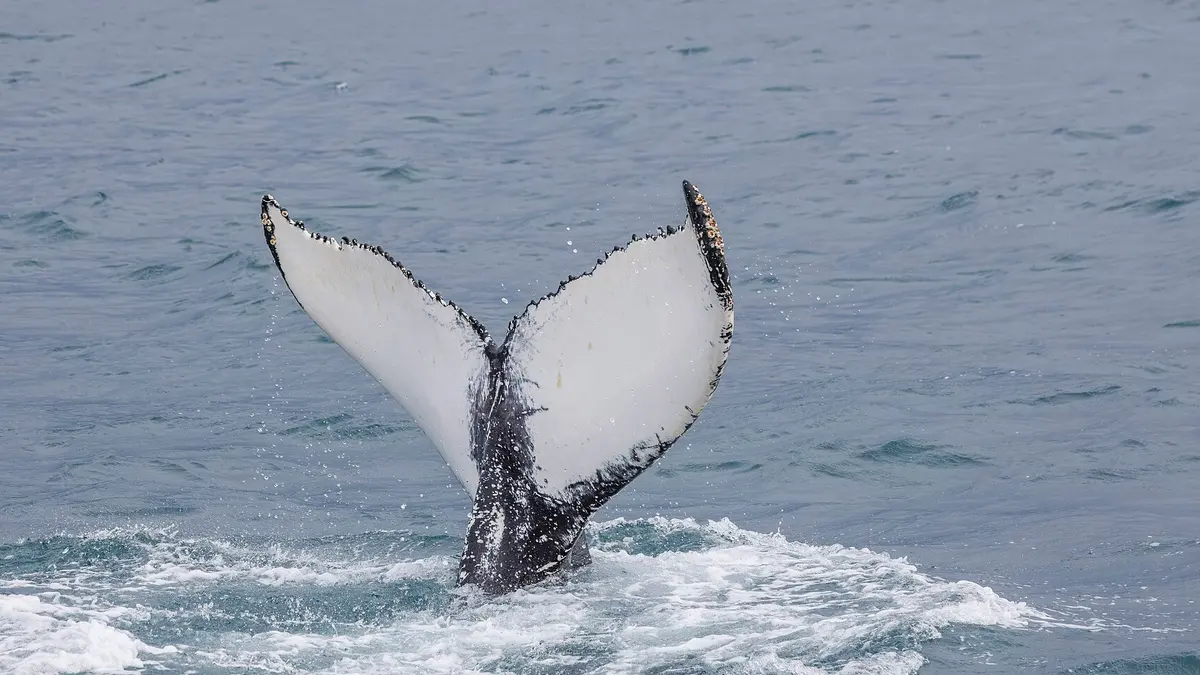
Noise changes more than what animals hear. Bats use more energy and hunt less successfully in noisy places. Ship engines can disrupt communication and disorient whales and dolphins. Predators had to work 2.5 times harder to catch 25% less prey overall.
Among the animals studied in noise-polluted areas, mortality rose by 138% on average. Animals may also avoid noisy areas, leaving them less space to live and limiting their populations. Some predators can benefit when noise drives prey out of hiding, but researchers view the wider ecosystem effect as negative.
The findings put sound alongside the physical features people often think of when they picture a habitat. More could be done in protected areas, including closing roads at certain times or routing aircraft away from wilderness. In US national parks such as Yellowstone, designated quiet zones reduce visitor noise by 3 to 5 decibels.
The practical point for you is that a habitat can look protected while noise still changes how its animals live. Conservation plans should pay attention to the sound around wildlife, as well as the land and water they need.