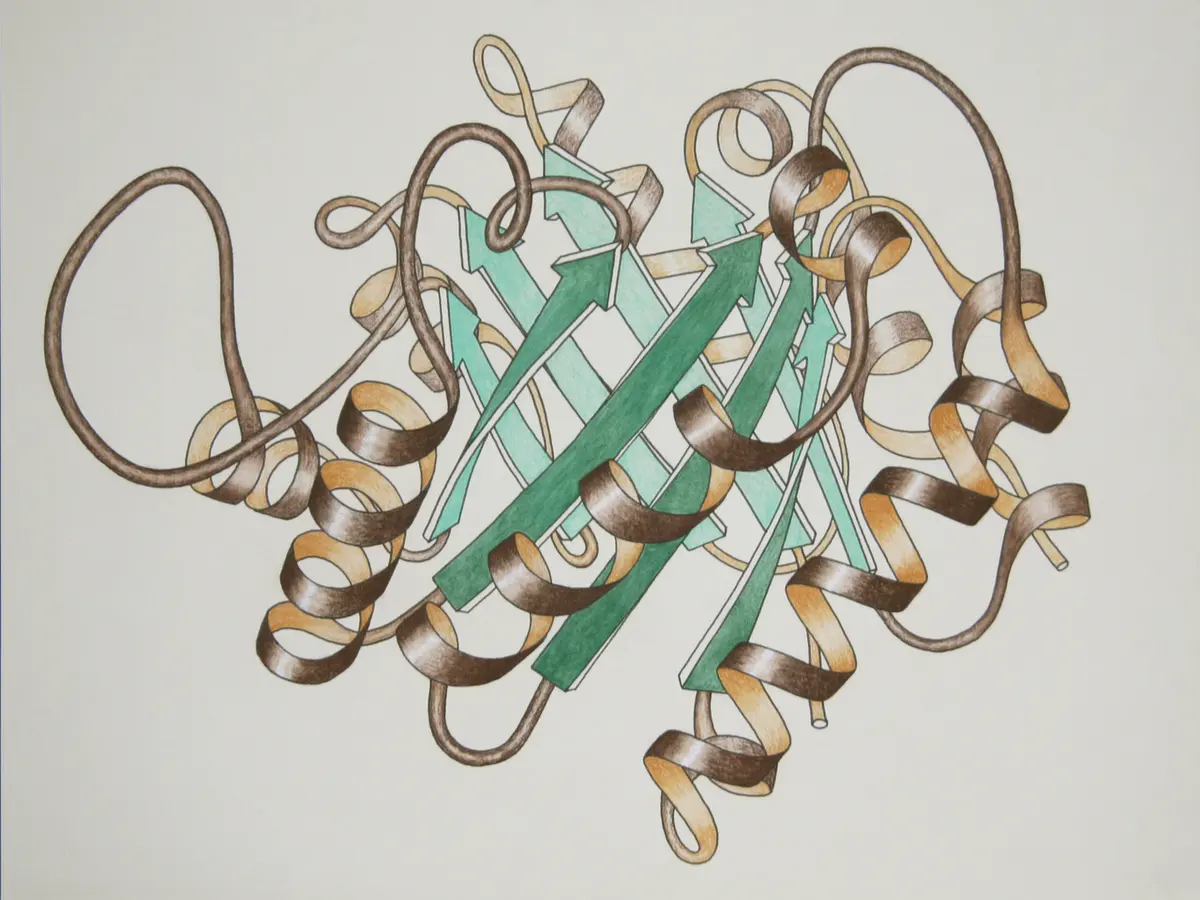
Lab tests found signs of binding in proteins built from GPT-6.2 designs. OpenAI's GPT-6.2 created protein shapes and, in some tests, their building-block sequences using reasoning and code.
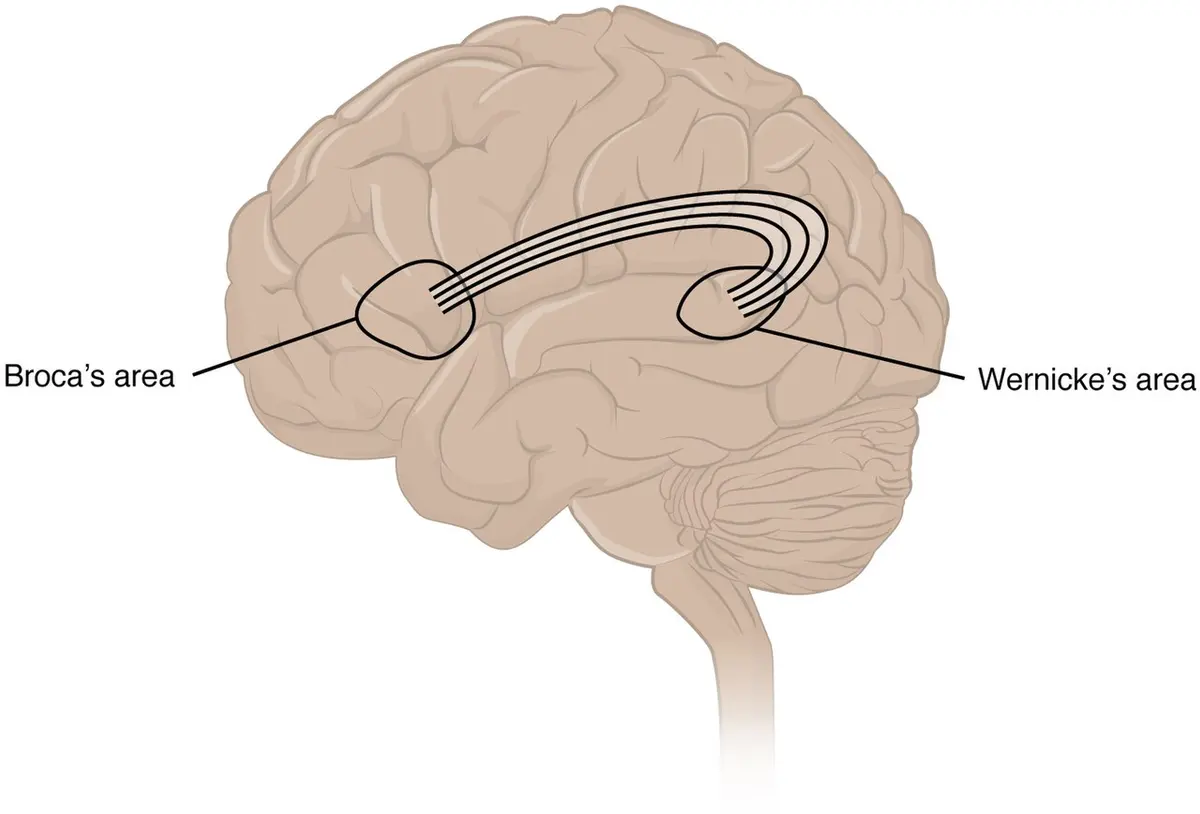
Proteins are chains of amino acids, small chemical building blocks. Their order helps shape how a protein folds and what it does. You can picture the design challenge as planning a shape that will grip a chosen target. OpenAI asked its model to make small proteins, called minibinders, that would attach to five targets, including proteins linked to cancer and immune disorders.
The lab results were mixed, not a clean sweep. Of 322 minibinders based on GPT-6.2's designs, 35 showed signs of binding to their intended target. Specialist models supplied sequences for these designs and helped researchers choose candidates to test. In other experiments, GPT-6.2 proposed new sequences for existing proteins, and some retained their ability to bind.
A separate test looked at protein-sequence prediction, a different task from designing a new protein. Phylo researcher Xinming Tu found Anthropic’s latest Claude models outperformed other large language models and specialist protein models at predicting sequences for obscure bacterial proteins, Nature reported. That result doesn't establish that Claude can design proteins in the same way OpenAI tested GPT-6.2.
The wider shift is that models may be able to handle more steps in biology research, while specialist tools remain useful for particular tasks. OpenAI's work also found a weakness: its models struggled to predict a complete protein structure. This means you’re seeing an early research method still being tested, not a ready-made answer to a biological problem.