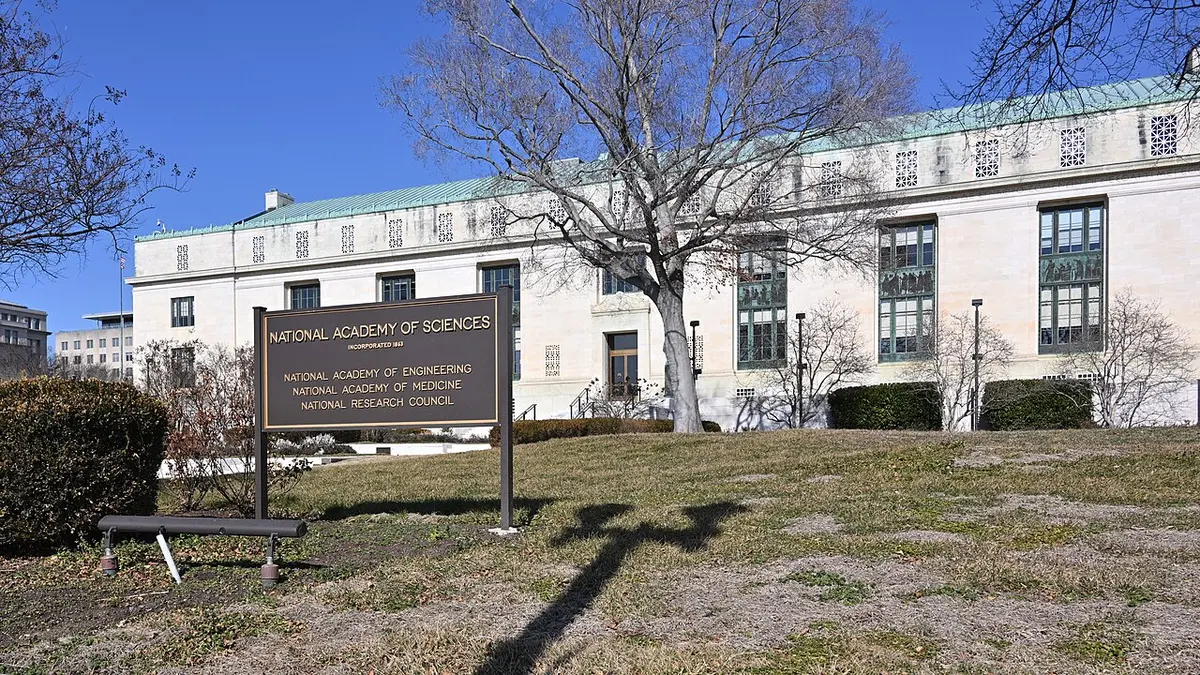
Journals should finish reviewing most concerns about a published paper within 12 weeks, and rarely take more than six months. That is the proposal from the National Academies of Sciences, Engineering, and Medicine, a body that advises the US on science.
Today the process is slow. When a paper is retracted, meaning the journal formally withdraws it, that happens on average about 2.4 years after publication, based on data from Retraction Watch, a project that tracks withdrawn papers. That clock starts at publication, because journals generally keep quiet about when they first learned of a problem, which the report wants to change. If you rely on research to understand a health or policy issue, a quicker correction could flag findings that no longer hold up.
The proposed steps give editors four weeks to decide if a concern needs a closer look. They then get four more weeks to contact the authors and check their response before a full review. Within the 12 weeks, readers should also see a first warning on the paper, such as an editor's note that concerns have been raised.
The recommendations ask researchers to keep original data. They also urge universities to share findings from their inquiries with journals, funders and the public. Journals should look for problems themselves, including by checking online discussions, instead of waiting for complaints.
The aim is to treat a correction as a way to keep research reliable, not as proof that an author committed misconduct. An editor can correct a paper while an investigation into misconduct is still underway.
Tight deadlines also need editors with time to do the work. Lisa Rasmussen is a journal editor and bioethicist, someone who studies the ethics of medicine and research. She said submissions to her journal rose almost tenfold in five years, making quick reviews harder.
The report itself has a problem. Its release was paused after journalists at Science found references with apparently made-up first names for co-authors, a possible sign that an AI tool helped write them.
A faster process could help keep faulty findings from shaping later research, but a deadline only works if journals and universities can carry it out. The next thing to watch is whether the National Academies publishes the reviewed report and whether journals adopt clear timelines.