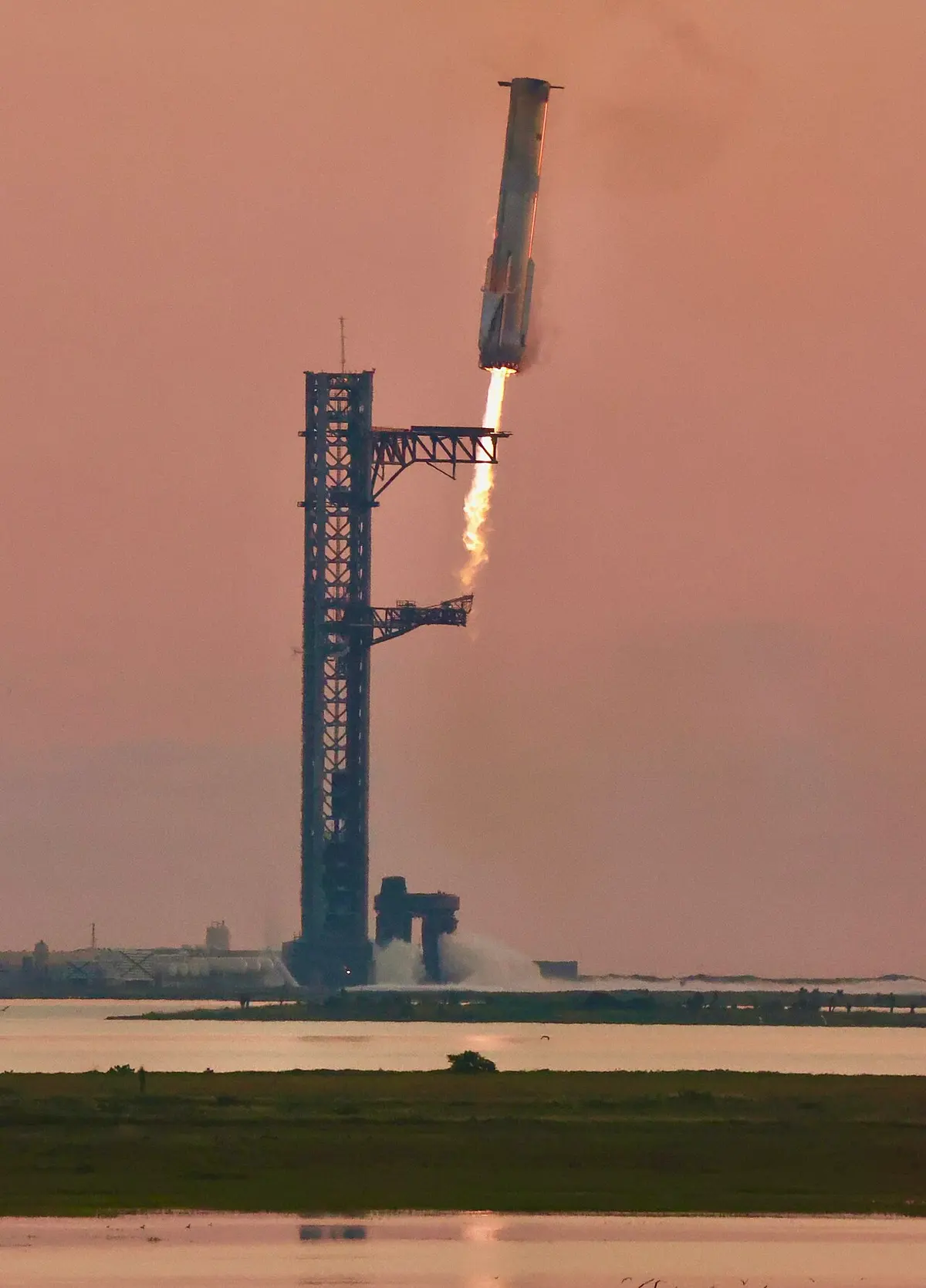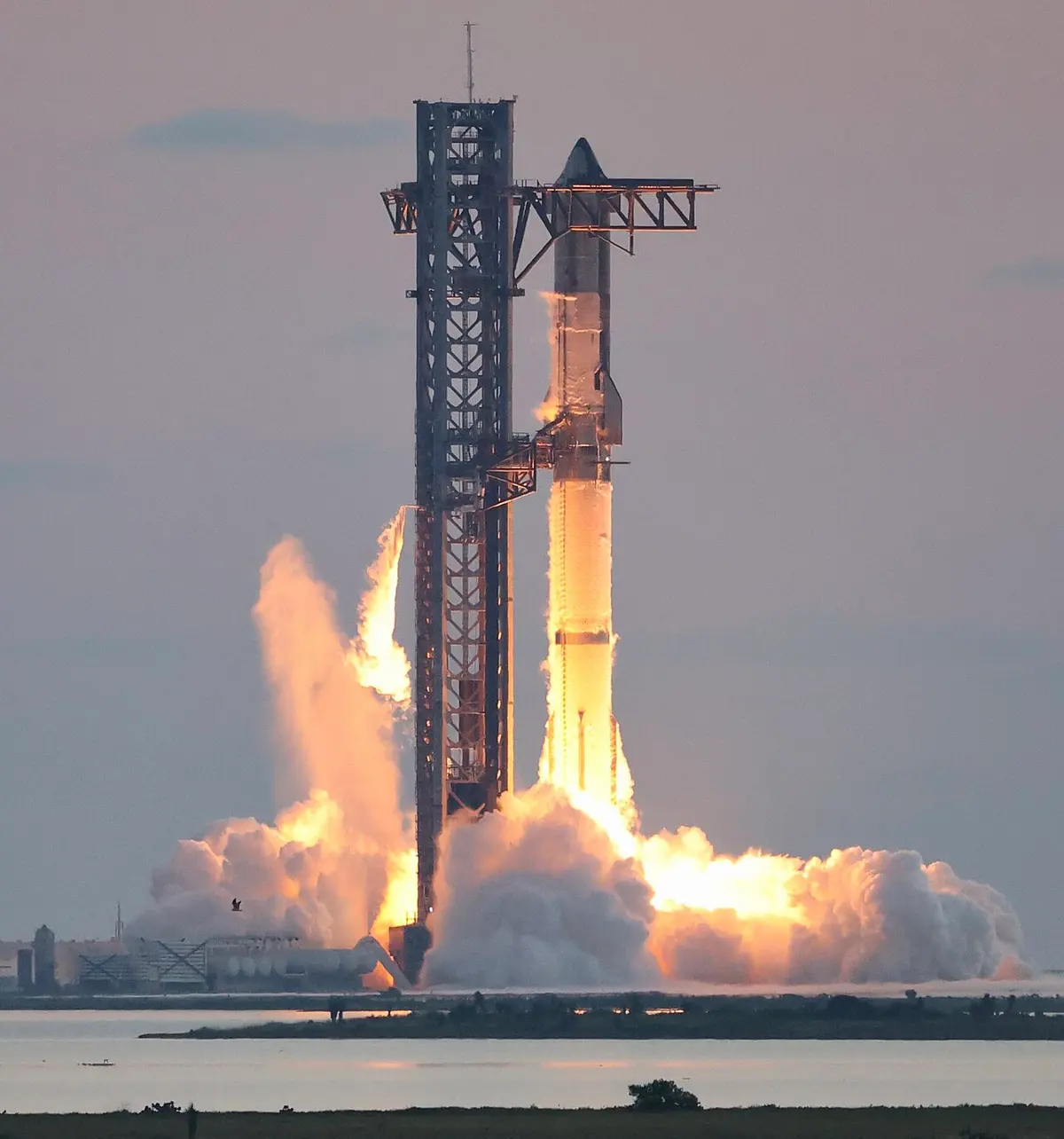
SpaceX caught Starship's upper stage between the arms of its Texas launch tower on 14 November 2026, after the spacecraft returned from orbit. The tower caught the Starship vehicle itself for the first time, a new step in the company's effort to reuse the rocket. The booster had already aborted its landing, so this wasn't the full recovery SpaceX planned.
Starship has two parts: a booster that powers its climb, and an upper stage that flies on its own. SpaceX aimed to bring both parts back to the tower during this test, a plan called a double catch. The booster had been caught on earlier flights, but this was the first successful catch of the Starship vehicle.
If you are watching for a reusable rocket, this was progress, but not a complete recovery. The booster diverted and exploded over the Gulf of Mexico. SpaceX spokesperson Dan Huot said its guidance system detected that it was out of position for a tower catch. Chief executive Elon Musk also said the booster was slightly low on fuel.
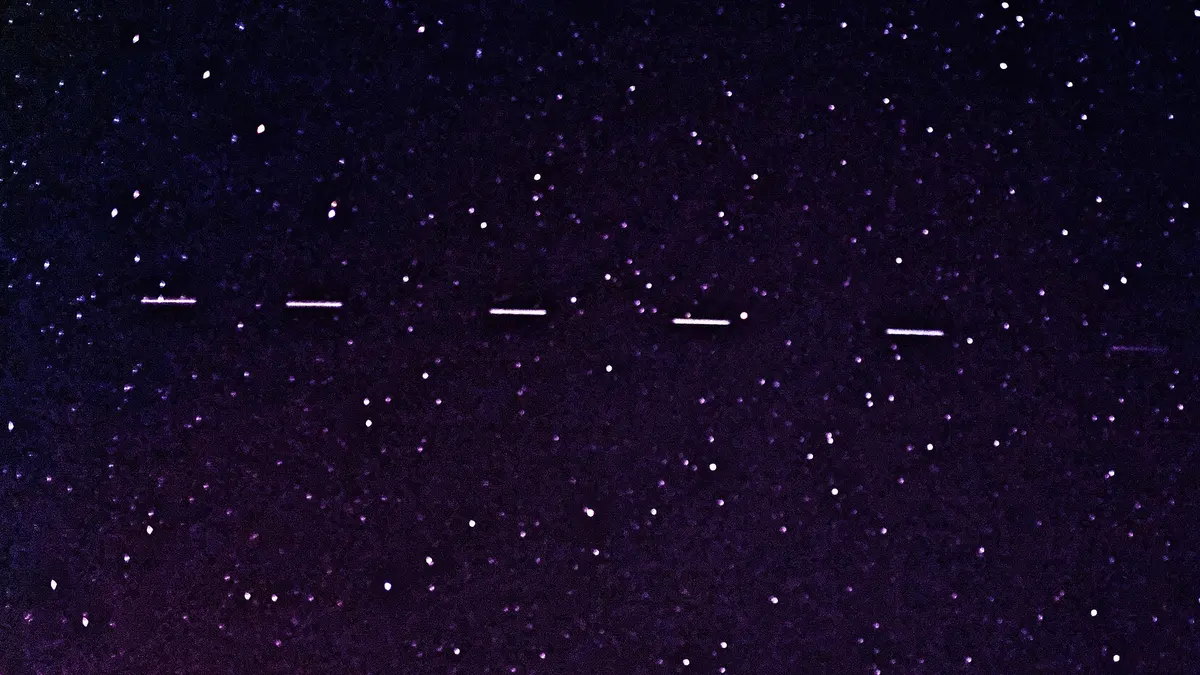
The upper stage spent 22 hours on the mission, circled Earth 14 times and deployed 26 Starlink V3 satellites. It was only the second time Starship had entered orbit. The catch marked the first time SpaceX brought the upper stage back to its tower.
The catch followed the flight that reached orbit as its booster fell into the Gulf. That left this test with two very different outcomes: the upper stage returned to the tower, while the booster did not.
This gives SpaceX a new result to build on: the upper stage can return from orbit and be caught at the launch site. The bigger test for reuse is recovering both parts in one flight, since that would bring the whole launch system back.