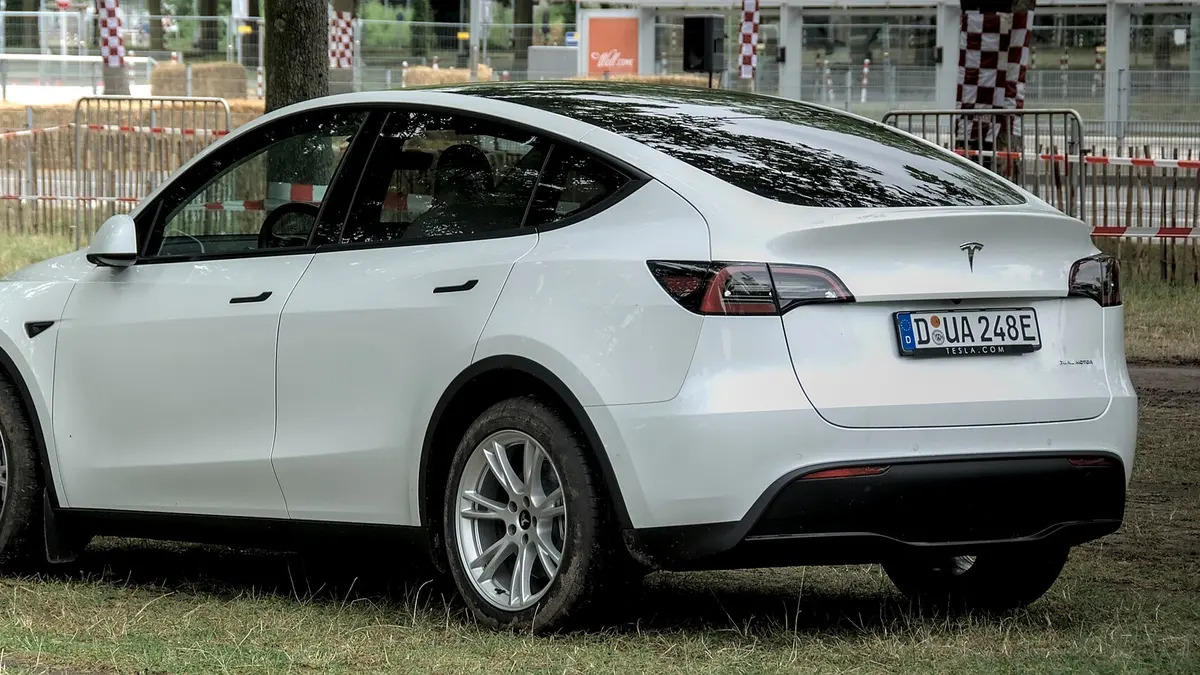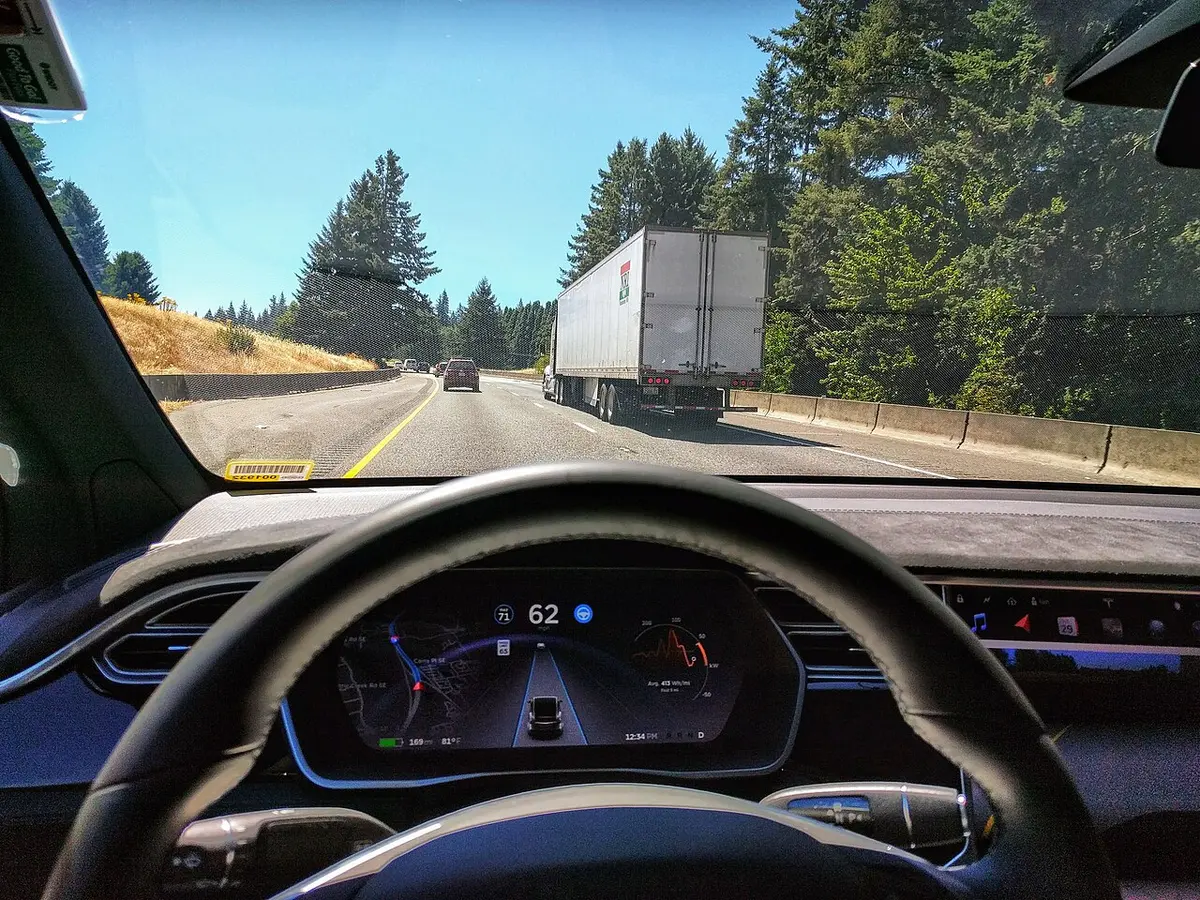
Tesla began its version 15 rollout of Full Self-Driving on 21 November. It's a driver-assistance system that can steer and navigate, but a person still has to watch the road.
This update focuses on everyday details that can change a drive: reading signs, spotting potholes and handling speeds in school zones. Tesla also lists better detection of small animals, road debris and chains, plus changes for speed limits and bad weather.
The software can now slow for speed cameras, and a new Bike Rack Mode allows it to work with a bike rack or similar hitch accessory. Its navigation system learns from route preferences, but for now that learning covers only the start and end of trips.
A new screen view, called Reality View in Tesla's announcement, renders the street around the car. Tesla describes it as a way for drivers to see and control what the system plans to do. That could make it easier to follow the car's choices while supervising it.
Tesla's release notes claim a 25-fold improvement in the critical intervention rate, a measure of how often a driver must step in during serious cases. But the company gives the multiplier without the underlying rate, so you can't tell from that figure alone how often intervention is needed.
The update is aimed at the moments when a driving system has to read the road correctly, not just follow a route. The display may make those decisions easier to see, but the key question is whether the driving changes hold up alongside it. You're still expected to supervise the system.