Jaguar Land Rover brought in £5.9bn between July and September, yet still recorded a £451m loss. The quarterly results show how a company can sell more and still end up in the red.
The main hit was £530m in costs linked to plans to cut 4,000 jobs. JLR expects most departures to happen through voluntary redundancies, meaning workers choose to leave. Three thousand departures are confirmed, with most of those workers due to go at the end of November.
When you see rising revenue beside a loss, the job-cut costs help explain the difference. JLR was just in profit from its operations before those costs were counted. Falling sales in China and the Middle East added pressure, even as revenue increased.
The job cuts come as JLR faces competition from Chinese electric carmakers and invests in electric models. Its chief executive, PB Balaji, called for Britain and the European Union to work together. He pointed to planned trade barriers that could add a 10% tariff to electric cars traded between them if they use batteries from Asia.
Those rules, known as rules of origin, determine which country a product counts as coming from. The EU is also considering rules that would exclude UK-made cars from subsidies. For JLR, those decisions could shape the conditions in which its electric cars compete.
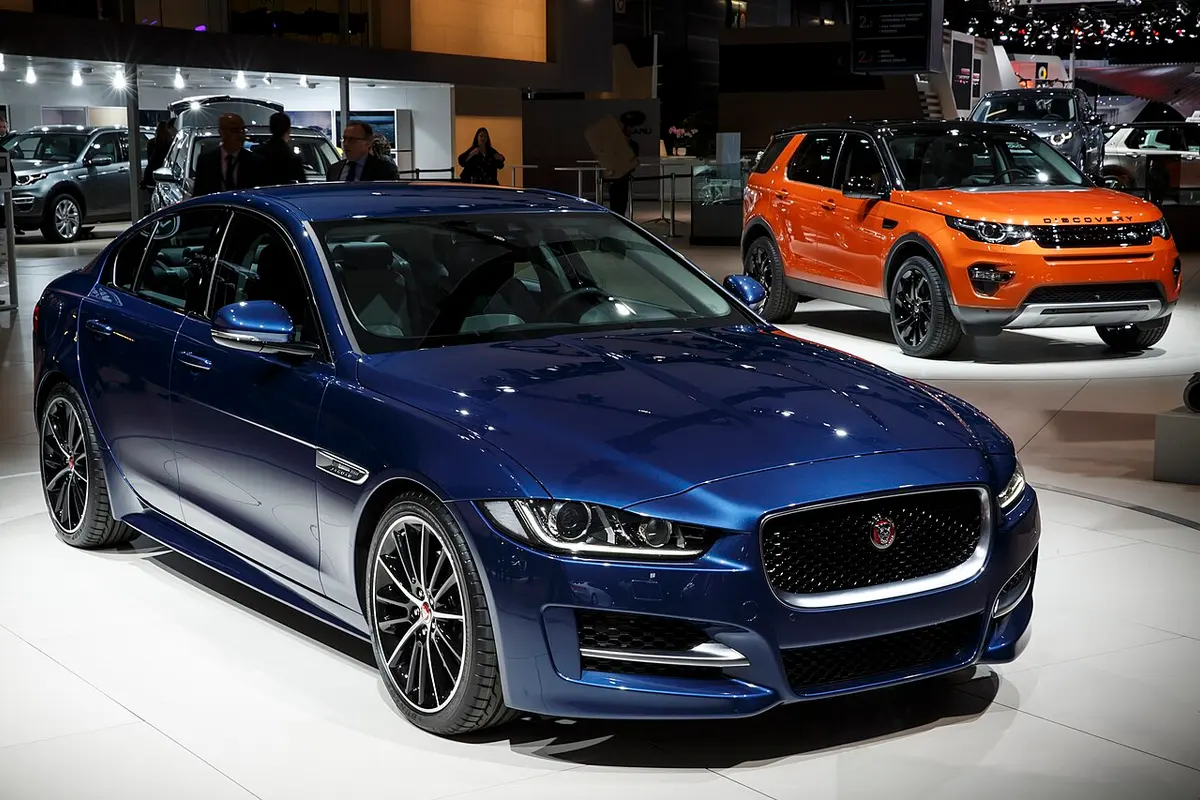
JLR has started making an electric Range Rover, and electric versions of the Range Rover Sport, Defender and Defender Sport are to follow. It also makes the electric Jaguar Type 01 and is working on a new Discovery.
For workers, the financial results sit alongside a real change in who stays at the company. The larger question is whether JLR can build its electric-car business while sales are falling in key markets and trade rules remain unsettled. You can see why those job cuts matter beyond the balance sheet: they are happening as the company tries to change what it sells.