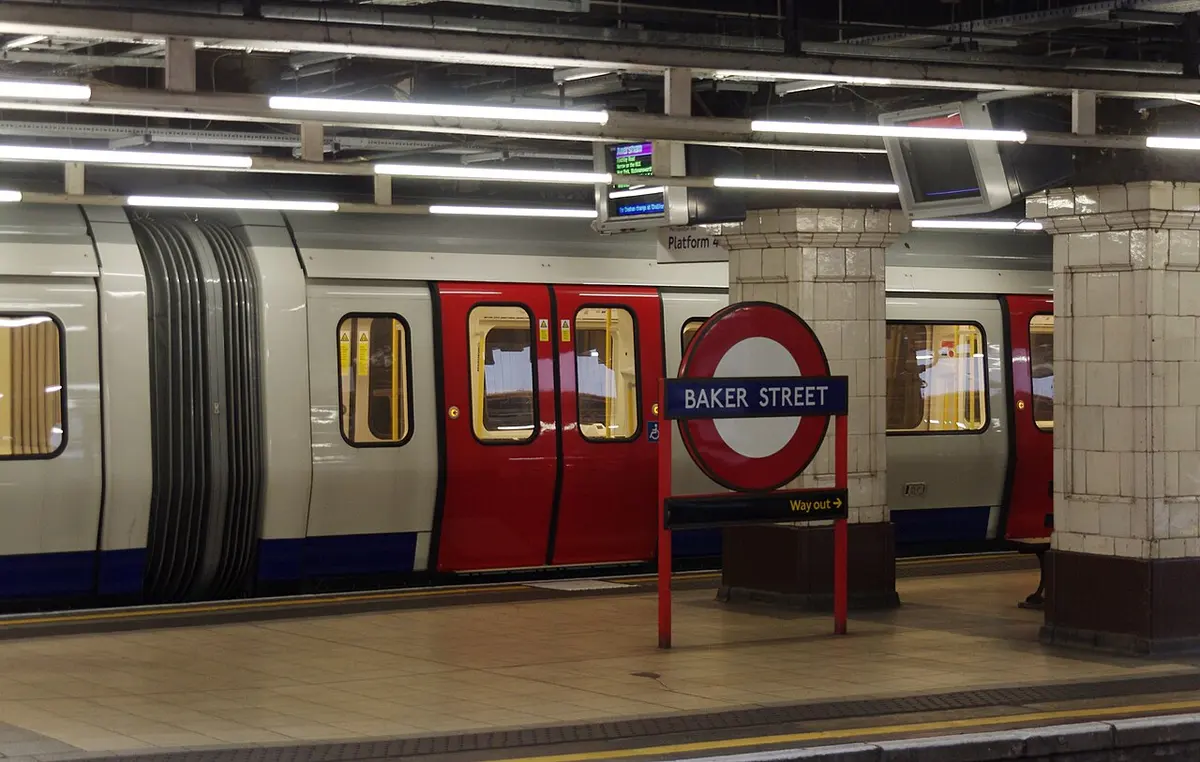
A 24-hour walkout by Tube drivers was scheduled to start at noon on 26 November, and disruption is expected to continue through 27 November. Fewer trains are expected to run, with some lines closed and the rest finishing early. You may need to allow extra time for a journey across London.
The RMT, a union for transport workers, called the strike during a dispute over a planned four-day working week. Talks at Acas, a UK service that helps resolve workplace disputes, ended without agreement on 24 November. This is the first of a new round of strikes in a dispute that has been going on for some time.
On 26 November, the Piccadilly and Circle lines were expected to have no service, and the Waterloo & City line was due to close from midday. Other Tube lines were expected to run with reduced service from late morning and were due to stop by 9pm. On 27 November, trains are due to start around 7am, with disruption through the afternoon and normal service expected by early evening.
The RMT says the changes are being imposed and could mean longer, less predictable shifts, more fatigue and safety risks. London Underground says the patterns are voluntary, with four-day and five-day options on the same terms. The rival Aslef union, which represents a slight majority of Tube drivers, supports the shorter week.
The Elizabeth line, London Overground and national rail are due to run as usual, though they may be crowded. Buses are not directly affected, but heavier road traffic could slow them. You can still travel on those services, but expect more people using them while Tube service is reduced.
More strikes are planned for 17 and 19 December, 4 and 6 January 2027, and three dates in February. For a trip across London, the key issue is reduced Tube service, even as other rail lines continue to run. That makes the timing of a journey matter as much as the route, with Friday's delayed start extending disruption beyond the walkout itself.