

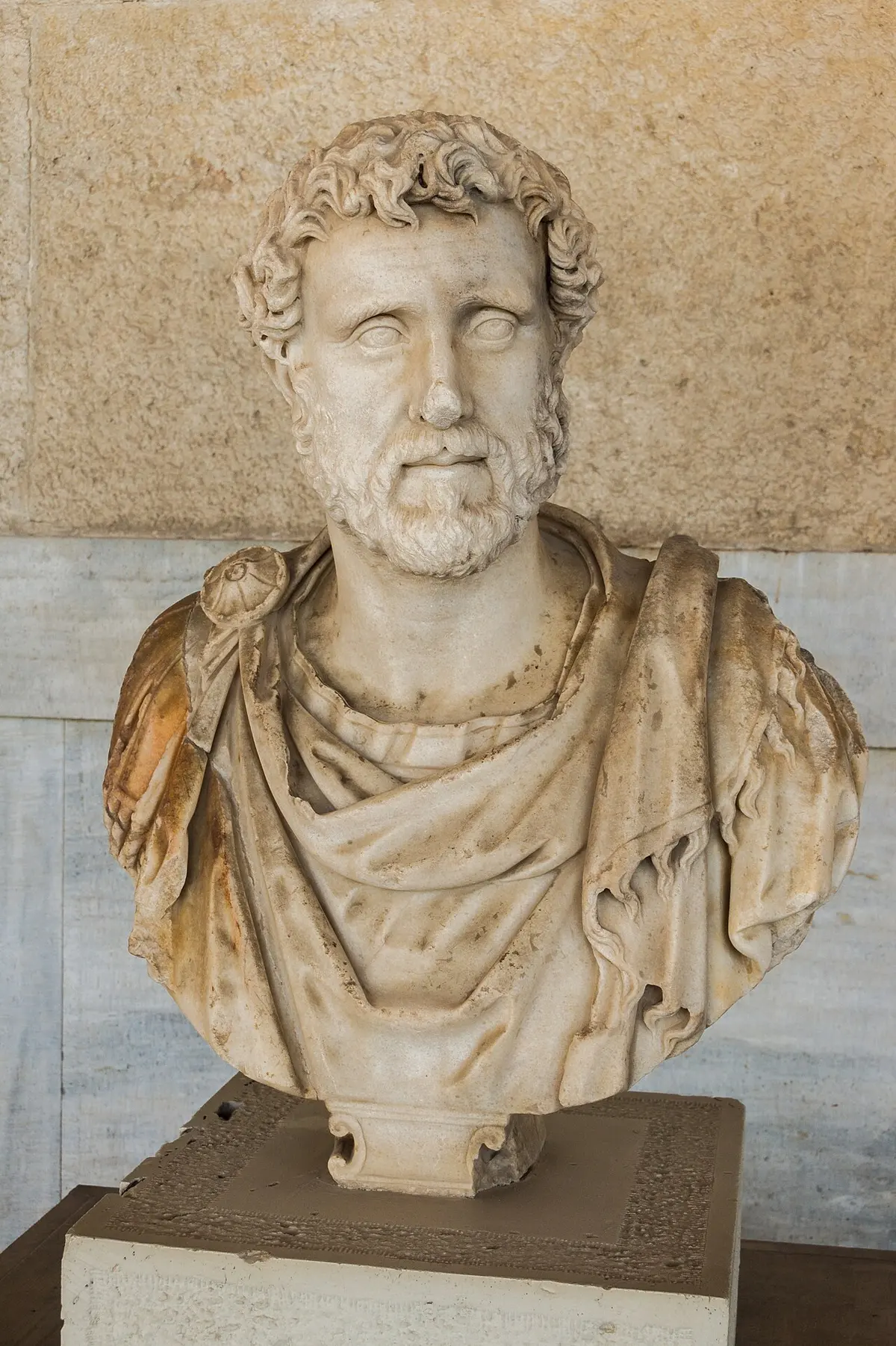
A bronze leg pulled from a Scottish bog in 1,820 may be the last known piece of a statue of Emperor Antoninus Pius on horseback. A new examination of the Milsington leg suggests Roman troops carefully took the statue apart as they left southern Scotland.
The key clue is at the top of the leg. It has no cut marks, and the bronze remains as it was cast. Metal lumps there may have helped attach the leg to clothing on the statue. That makes a clean removal more likely than a violent break, though the statue's full shape is a reconstruction.
The leg was probably made around 140 CE, during Antoninus Pius's push north into Scotland. His troops built the Antonine Wall, a turf barrier across Scotland. The statue may have celebrated that campaign, much as a grand monument can make a ruler's power visible in a contested place.
Roman forces later withdrew south. They also dismantled and buried prized monuments from the frontier, including stone altars and inscriptions. This wider pattern helps explain why the leg may have been removed carefully, rather than carried away as loot.
The National Museums Scotland, which runs Scotland's national museums, has reconstructed the horse and rider around the surviving limb. You can see the leg mounted on a full-size silhouette at the National Museum of Scotland in Edinburgh, from 14 November 2026 to 18 April 2027.
The find changes the story from a stolen Roman relic to a possible remnant of a monument Roman troops dismantled themselves. What happened to the rest remains a real puzzle. For visitors, the display makes one small surviving piece a way into a much larger story about Rome's presence in Scotland.






