The UK's inflation rate rose to 3.6% in October, its highest level in a year. The increase from 3.5% in September was small. Fuel prices did most of the pushing, according to figures from the Office for National Statistics. (The figures put the pressure at the pump in focus.)
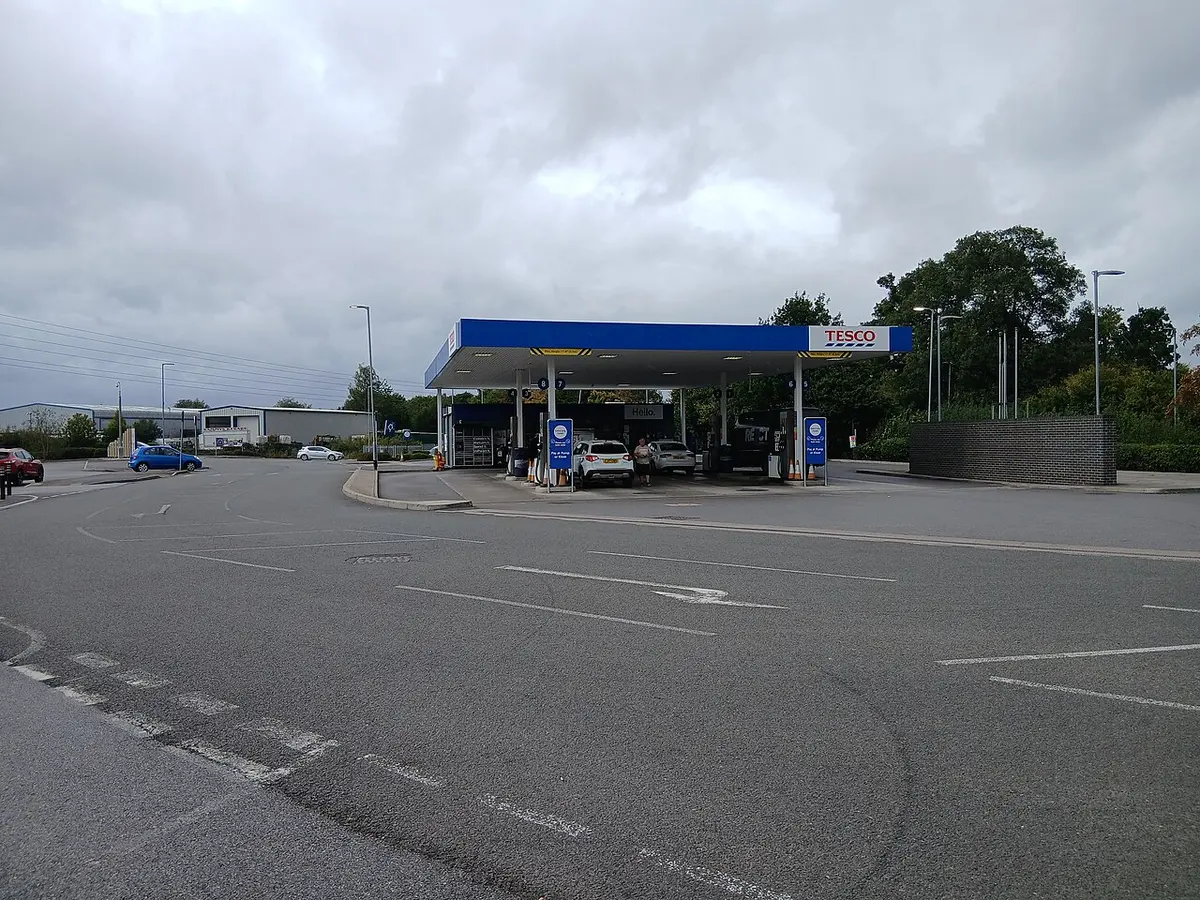
Petrol went up by 5.2p a litre between September and October, reaching 174.7p. Diesel rose by 7p to 199.5p a litre, its highest price in records going back to 1996. That leaves it just half a penny short of £2. You can see why fuel is weighing on household budgets: motorists paid 33.2% more for fuel than a year earlier, the biggest annual rise since July 2022.
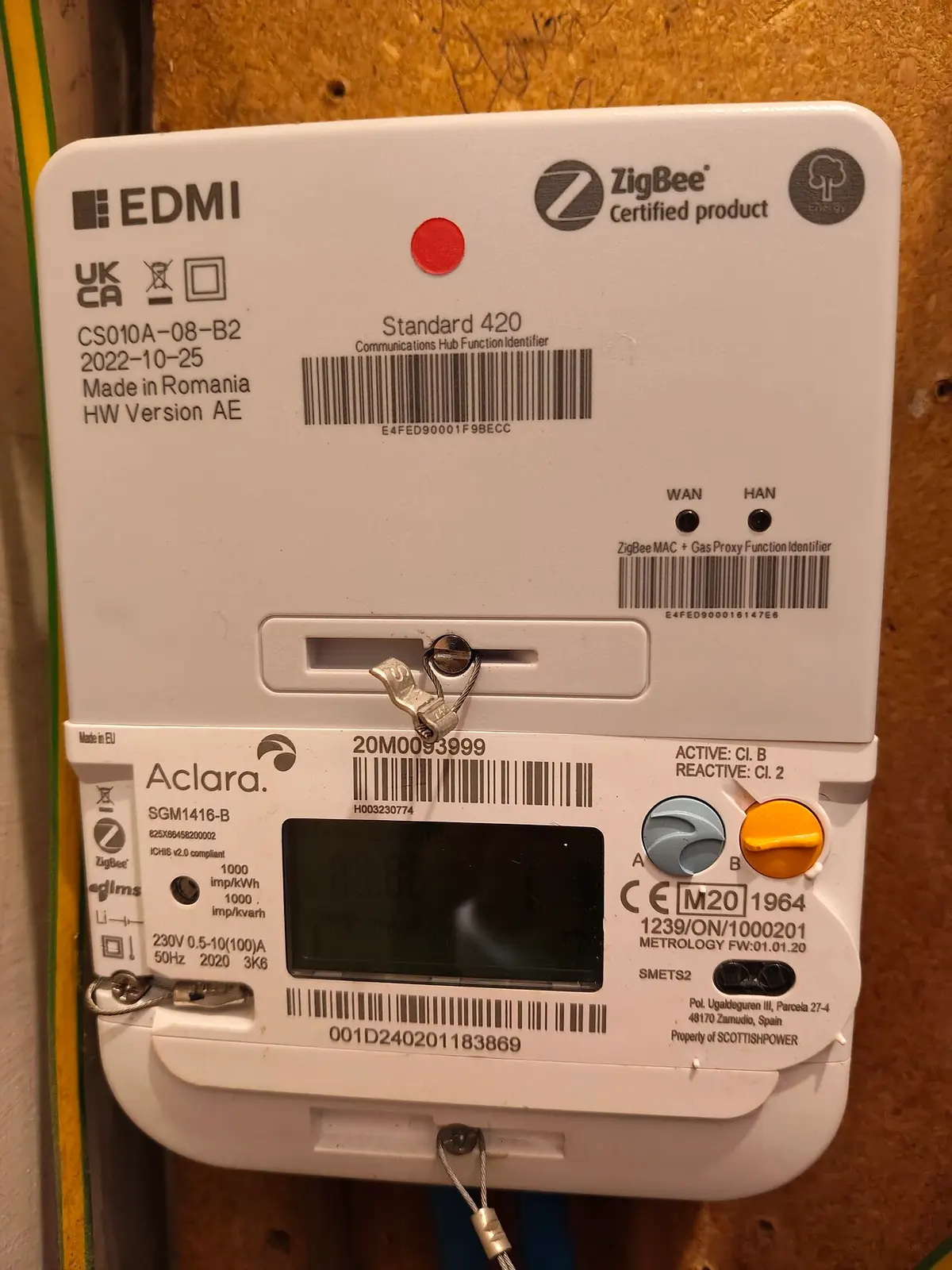
The cost pressure is not limited to filling a car. A forecast puts the typical annual energy bill in Great Britain at £2,166 from January, a 26% rise. The price cap had already gone up by 4% in October. (Here's what the January bill forecast means.)
The Iran war has pushed up oil costs, adding to the pressure on fuel and energy prices. But not every price is rising at the same pace: food prices rose by 0.9% over the year, down from 1.3% in September, while core inflation stayed at 2.8%.
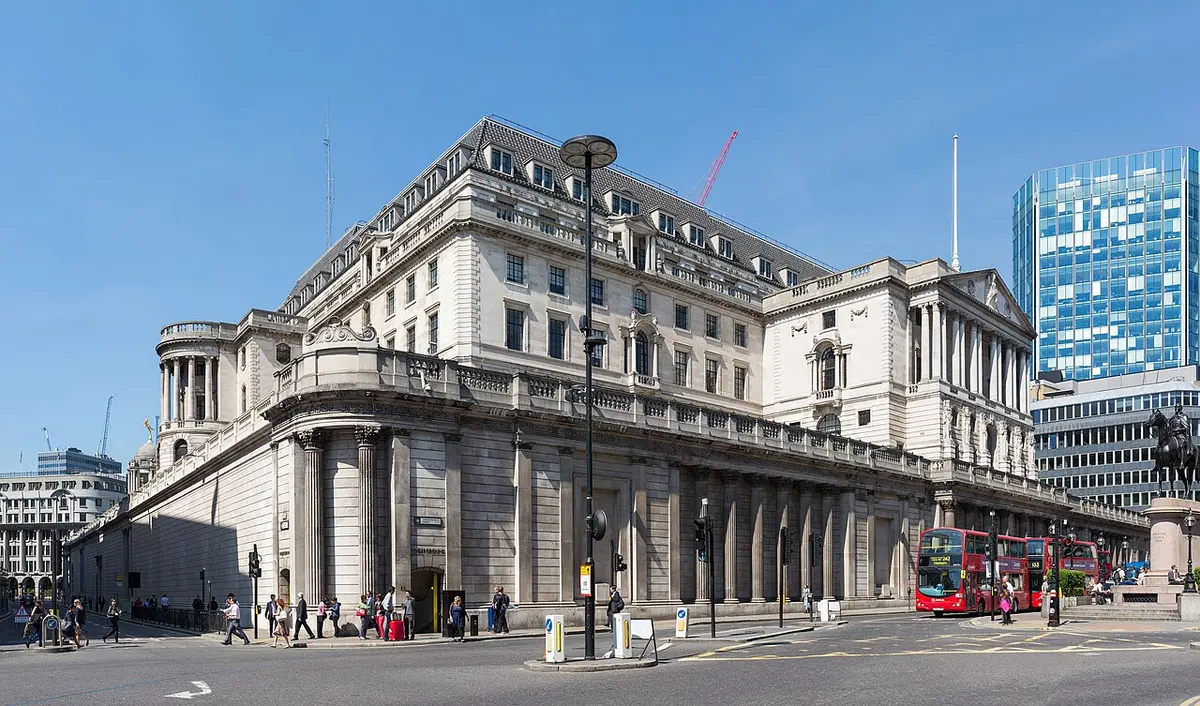
The Bank of England raised its interest rate to 4% earlier in November and warned that further increases might be needed to curb inflation. Higher rates can add to borrowing costs, so this squeeze reaches beyond the price you see at the pump.
For households, the headline rate can feel distant; fuel and energy bills arrive as specific costs in your monthly budget. The pressure to watch is whether higher oil prices keep feeding into those bills and other prices.