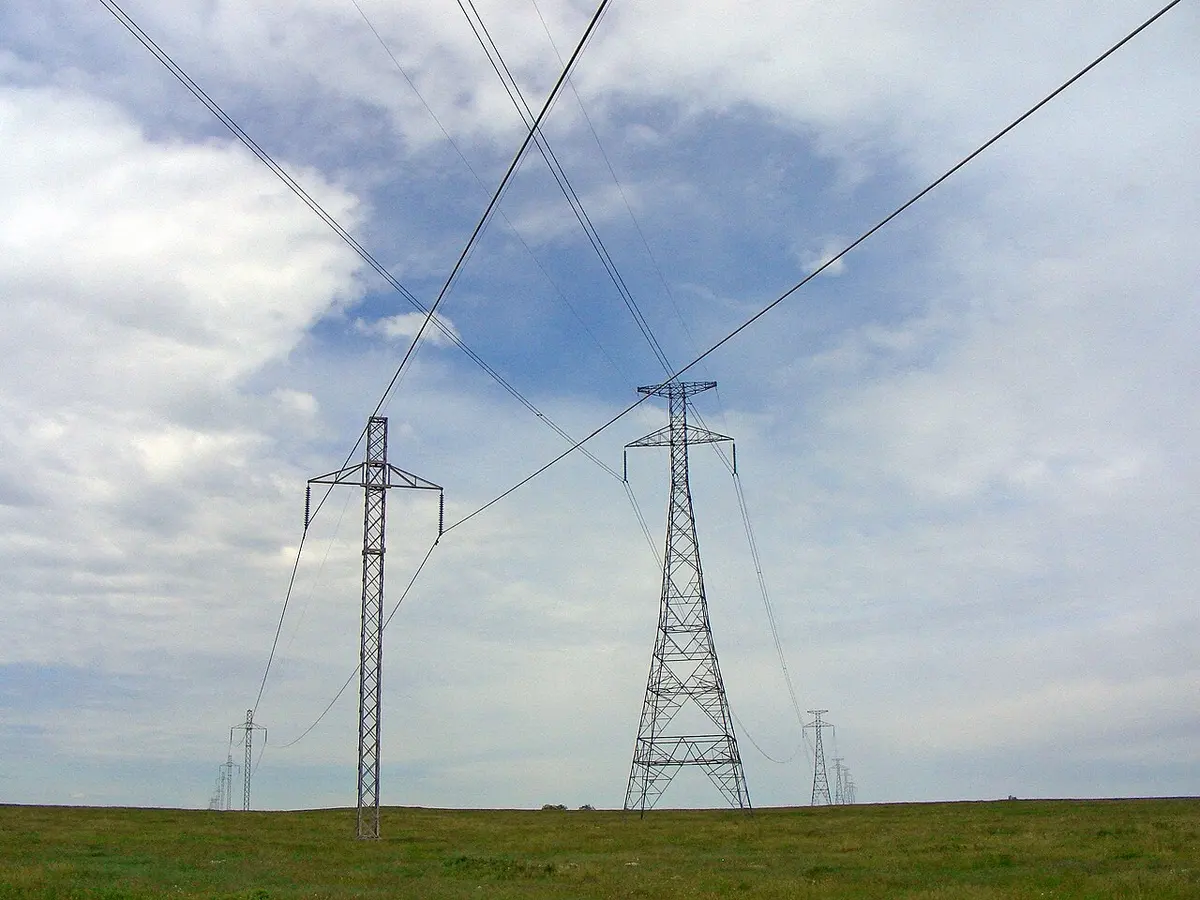
Over the past five years, the continental US has added an average of about 805 km (500 miles) of high-voltage power lines a year. Researchers estimate it needs about 8,000 km (5,000 miles) each year to triple the network connecting regions by 2050. That gap leaves the power grid with a lot of catching up to do.
Electricity demand is rising as more people use electric vehicles, heavy industry uses more power, and data centers grow. High-voltage lines carry electricity over long distances, so connections between regions can help when one area cannot produce enough on its own.
A larger network could also lower costs for consumers and reduce the risk of major blackouts, studies have found. Those connections matter to you because power can move in from another region when local supply falls short.
The trouble is getting new lines approved. Madeline Yozwiak, David G. Victor and M. Granger Morgan, energy policy researchers whose work is discussed in a ScienceDaily article about the transmission problem, argue that political and regulatory barriers matter more than a lack of technology. Approval is split among federal, state and local authorities, as well as private companies, each with its own priorities.
The researchers point to ways to carry more power through existing infrastructure, including replacing some line materials with newer ones. They also propose a national commission to recommend legal changes and ways to reward companies that build lines and communities that host them.
The gap is large enough that routine planning alone looks unlikely to meet the researchers' target. What matters next is whether the people and agencies with approval power can agree on a path that brings more regions onto the same grid.