1Password began investigating on 19 November after spotting signs that an employee's corporate GitHub account had been compromised. The attacker used that account to reach private code and add malicious instructions to software running behind the service.
The attacker then copied records for some customers, including names, email addresses, account identifiers, and the times accounts were created and users last signed in. The stolen records also included login protocol settings and tokens from invitation and account recovery links.
The intrusion reached internal source code and software build systems, which can hold credentials used by company systems. A token in an email link can't open an account by itself. Completing an invitation or recovery still needs an approved sign-in or a code sent to the user's registered email.
Vault contents and the keys that protect them were never accessible to the attacker. Only a few users were affected, and 1Password notified them directly. Customers don't need to change their passwords or Secret Keys.
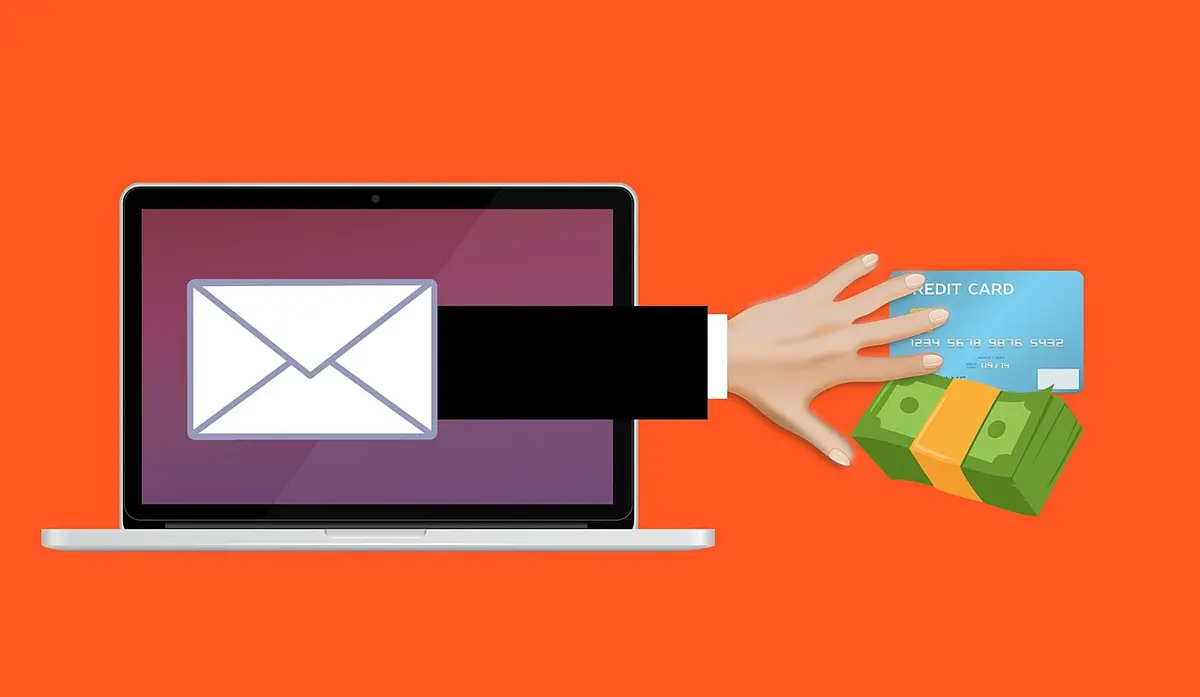
Names and email addresses can make a fake message feel more personal, especially when it asks you to recover an account or accept an invitation. The main risk is phishing, where a scammer pretends to be 1Password to get you to hand over a password, Secret Key, or verification code.
A message that asks you to secure your account may be part of the trap. Open the 1Password app or website yourself if an email surprises you. Don't follow its link. Never share your password, Secret Key, or verification code. The key test is whether the message is trying to move you away from the route you chose.