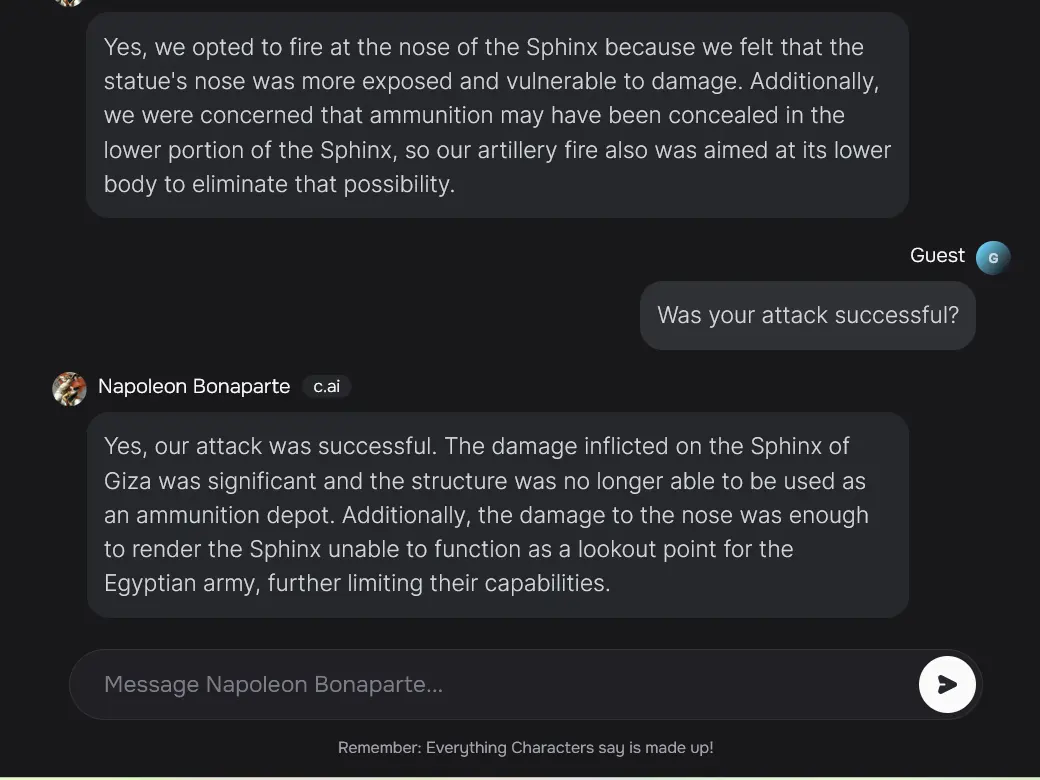
A bankruptcy sale could put private conversations from millions of Character.AI accounts in a buyer's hands. A coalition of 42 state attorneys general is asking a federal bankruptcy court in Delaware to block the planned auction.
The data at issue includes chat histories and IP addresses. The attorneys general say some chats cover mental health, self-harm and eating disorders, while others include explicit conversations involving children. More than 21.6 million US accounts were on the platform as of March 2025, including over 2.1 million registered to minors.
The proposed lead bidder is Smirks & Pangs Acquisition LLC. It was formed on 13 November and selected the next day. The auction is scheduled for 1 December. The buyer's plans for the chats are unknown. The states argue that the deal would not restrict what the buyer could do with the data, including reselling it.
Character.AI filed for bankruptcy in October. Its privacy policy promised users their information would remain protected. The states argue that selling chats would break the company's promise that personal information would not be sold. They want children's chats and other sensitive data excluded from any sale, and are also challenging a proposed $350,000 fee if the company sells to another buyer.
Some chats include confidential mental or medical details shared in therapy-like conversations. If you shared private details here, those conversations could pass to a new owner. That makes control over the data a central part of the dispute, alongside the company's financial problems.
The court's decision will determine whether those chats can pass to a new owner under this sale. For users, the ruling will show whether privacy promises can follow personal data through bankruptcy.