Bitcoin fell below $60,000 on 20 November, its lowest mark since July. That is less than half its peak of more than $126,000 in early October 2025. The price drop came as investors pulled money from funds and sold tech shares.
On 19 November, investors took about $582 million more out of bitcoin funds, which track bitcoin's price, than they put in. The daily withdrawal was the largest since 30 October, and withdrawals across November had reached almost $3.5 billion.
Tech shares were under pressure too. Anthropic's shares, which had reached $115 after the AI company's stock market debut, fell as low as $87.27 on 20 November. The tech-heavy Nasdaq Composite, a measure of US share prices, opened 1.2% lower and fell to its lowest level since mid-April. Bitcoin's price has been moving in step with the Nasdaq-100, an index of large tech companies, since late September.
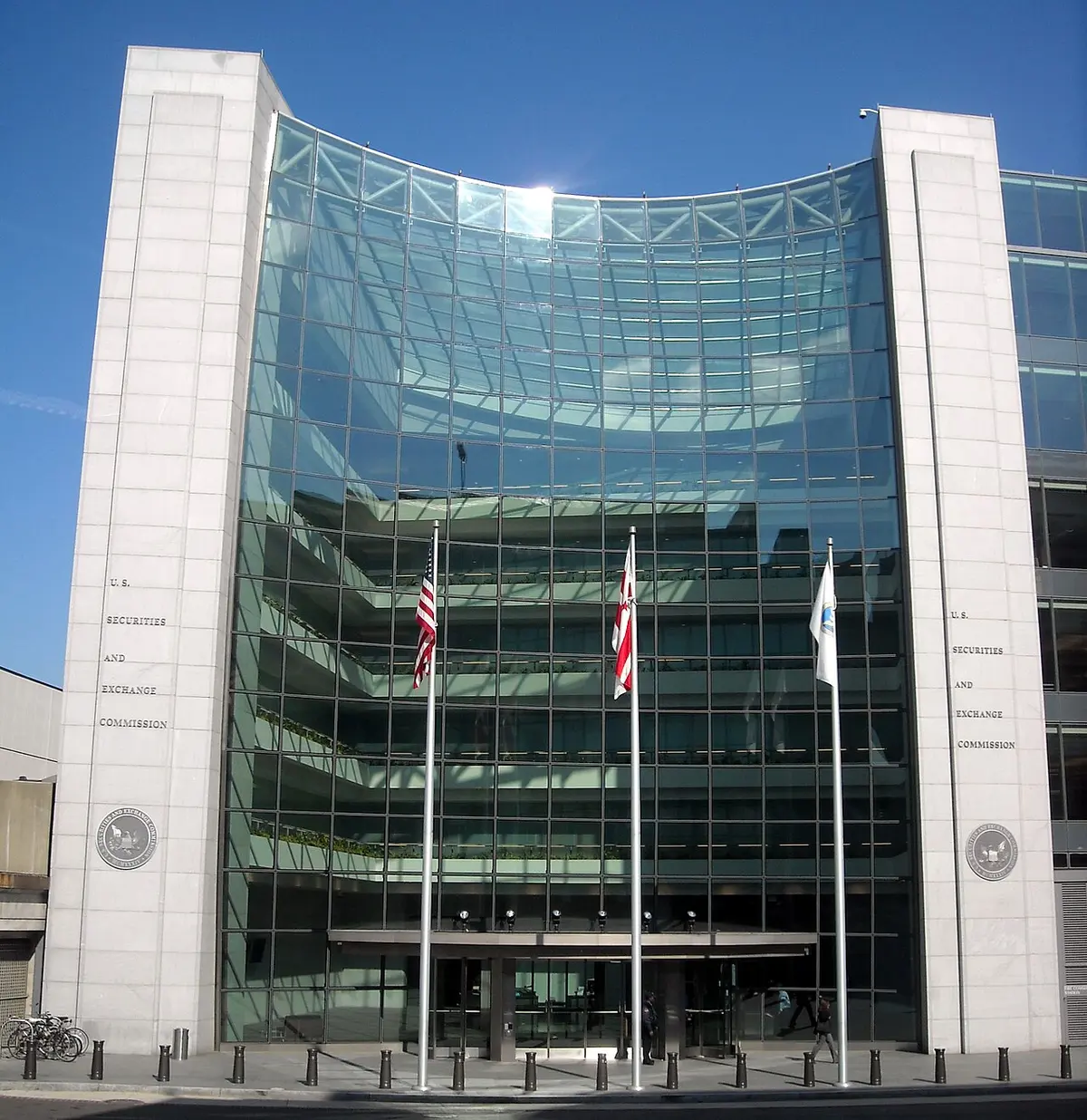
Higher interest rates are another strain. When your cash account pays 5%, bitcoin and gold, which pay no interest, can look less appealing. The SEC approved funds that track bitcoin's price in January 2024. They were meant to provide a reliable new source of demand from large investors. They also make bitcoin especially easy to sell. Higher rates and easy-to-sell funds help explain why the withdrawals and tech sell-off hit bitcoin at the same time.
Bitcoin is often called digital gold because some investors expect it to hold up when markets fall. Gold itself is down more than 35% from its early-2026 peak.
Bitcoin's slide puts the digital gold label to a test: bitcoin fell together with tech shares instead of holding up. Anyone who bought it as a shelter from falling stocks has reason to question that idea, and the fund withdrawals are the clearest sign to watch.