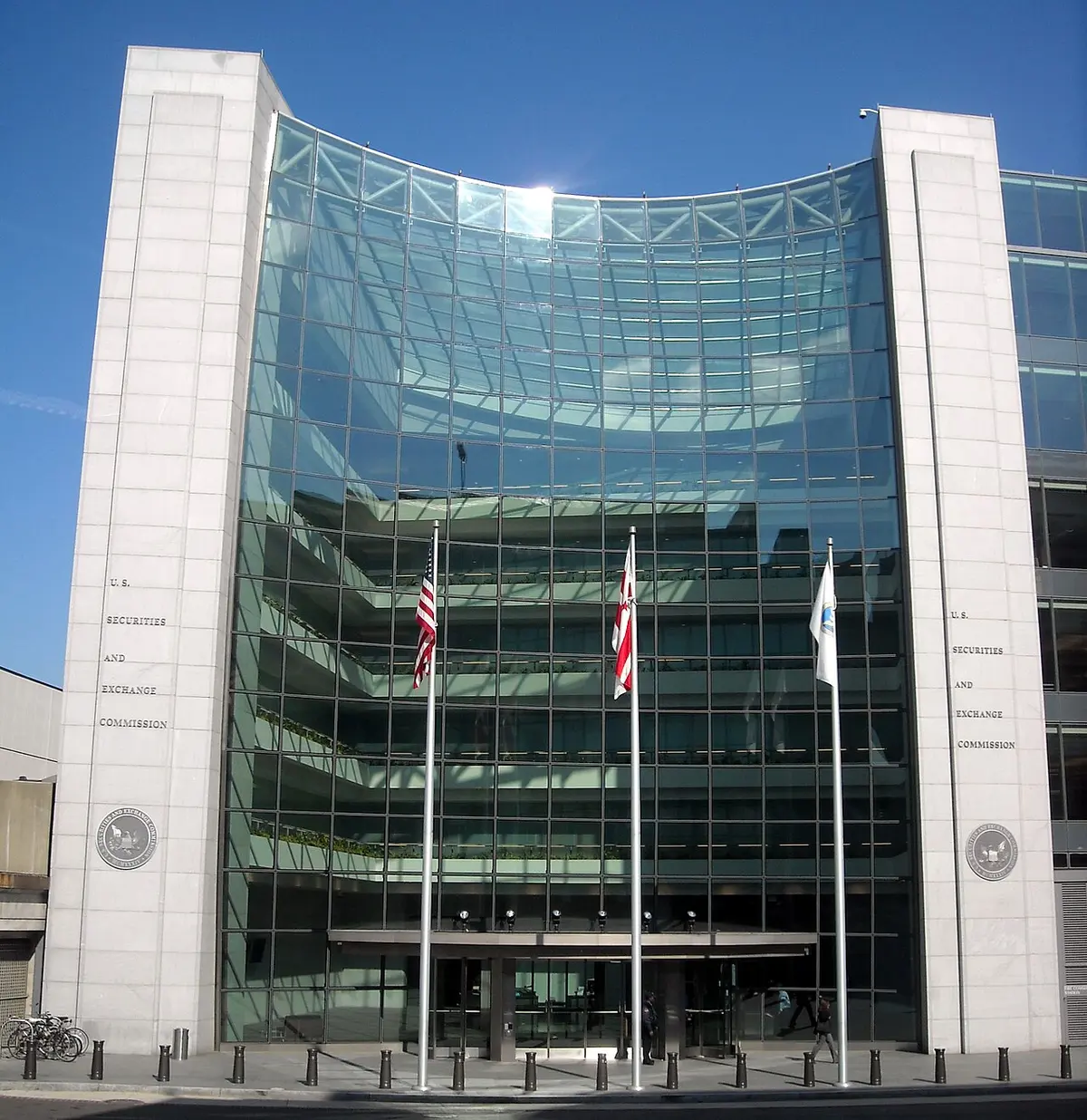
More than 1,500 people in the U.S. lost more than $37 million combined to trading websites that only looked real, the SEC alleges. On 19 November the Securities and Exchange Commission (SEC), the agency that polices U.S. investment markets, charged eight Colorado-based firms over the scheme. The SEC says the firms were likely run by people based overseas.
The complaint alleges that the scheme ran like this, and that it leaned on borrowed paperwork. It started with social media ads that pulled people into private and group chats, where a supposed investment adviser first gave tips on U.S. stocks. After giving stock-trading advice, the chat pushed victims to move as much money as they could into a crypto trading site. Victims thought they were buying real crypto. The adviser and the site were both fronts for taking their money.
The paperwork is what made it convincing. The operators made fake SEC certificates and filed papers with the SEC, FINRA, a private group that regulates financial firms, or FinCEN, a U.S. agency focused on financial crime. They then pointed doubtful investors to those filings as proof. An official-looking record made the trading sites seem checked and approved.
The firms also kept changing faces. Four pairs, each an adviser and a partner trading site, were used one after another between August 2024 and May 2026. Each pair ran for a few months before the operators dropped it for the next. Most of the eight names sound like wealth advisers or crypto exchanges, such as HB Wealth Advisors and RealSimple Crypto Exchange Inc.
The SEC wants the court to stop the firms, make them hand back what they gained and pay fines. The case was filed in the federal court for the District of Colorado. In a December 2025 alert, the agency had already warned that scammers use investment group chats and pose as financial professionals. It suggests checking anyone who offers you an investment on Investor.gov, and reporting suspected schemes through its online portal.
The pattern, stock-trading advice first and a request for money later, is worth remembering. The key detail is that filings with real regulators were allegedly used as bait, so official paperwork alone does not show that an investment offer is legitimate.