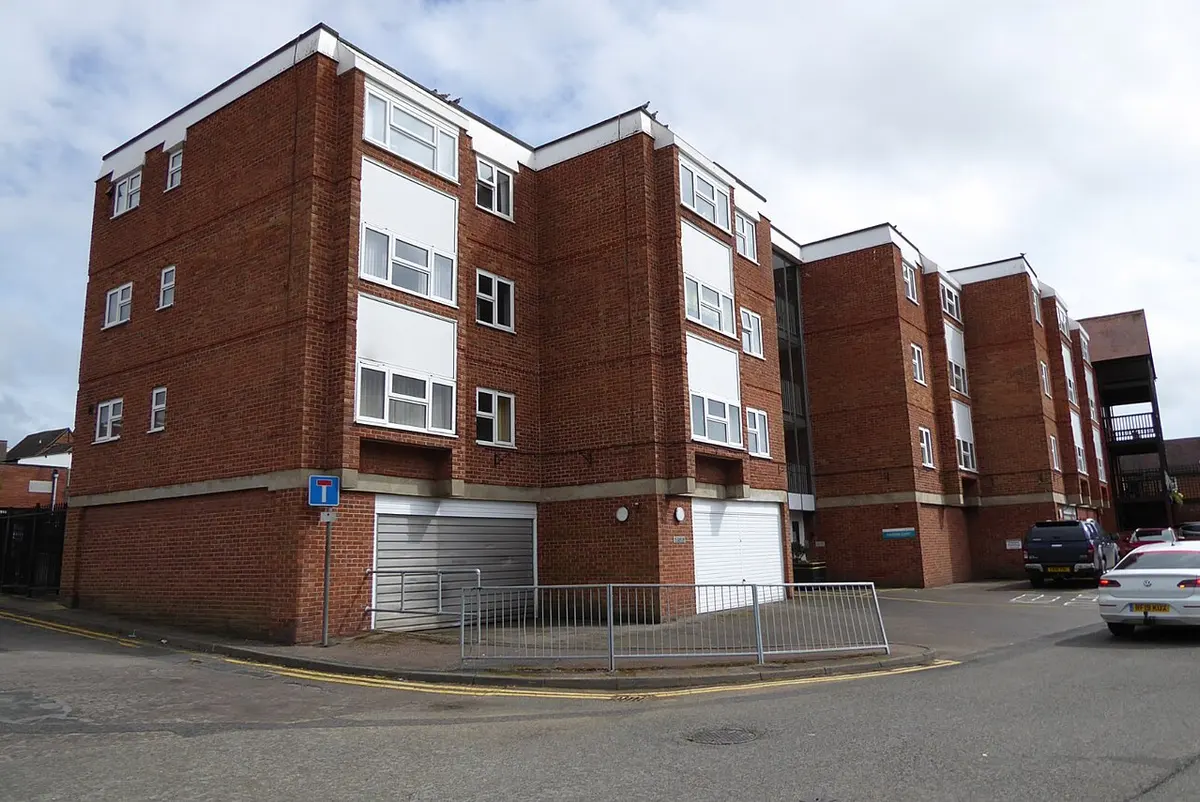
England and Wales plan to phase out leasehold for most new flats, under a bill now before Parliament. With leasehold, you own the right to live in a home for a set time, while a freeholder owns the building and land.
The proposed alternative is commonhold, where flat owners share control of their building and its shared areas, with no expiring lease. Around five million homes are leasehold in England and Wales, so the plans matter to current owners as well as future buyers.
The bill sets out a £250 annual cap on ground rent, the fee leaseholders pay to freeholders. The cap is expected in 2028, six months after a new law passes. After 40 years, ground rent would fall to a peppercorn rate, meaning effectively nothing.
Most new flats would move to commonhold around 2029, followed by a ban on selling most new leasehold flats around 2031. Some exemptions would remain. Existing owners could convert their building with support from half its residents, instead of needing everyone to agree.
Other planned steps target sudden repair bills: building owners would have to check a building's condition, plan work and build up funds in advance. The bill would also abolish forfeiture, which can threaten a leaseholder's home over unpaid charges, and make lease extensions and freehold purchases cheaper.
Housing minister Matthew Pennycook argues that the technical work on property law has slowed the bill. The Residential Freehold Association, representing large freeholders, calls it an abuse of property rights and warns that pension funds could lose value because they have invested in ground rents.
The plan changes the terms for future flat buyers first, while existing owners still need a workable path to commonhold. That makes the conversion rules as important as the headline cap. The practical test is whether the new system gives residents more say over the buildings they live in.