A federal jury in Brooklyn found Huawei guilty on 10 of the 12 criminal counts it faced in a US case. The counts included conspiracy to steal trade secrets, bank fraud, money laundering conspiracy and violating sanctions law. Jurors cleared Huawei of racketeering conspiracy. The charge alleged that Huawei acted as a criminal enterprise. If you follow Huawei, the verdict covers the alleged theft and Iran business.
The case joined two kinds of conduct: taking technology from US firms and misleading banks about business in Iran. One count involved the International Emergency Economic Powers Act. It lets the president control trade after declaring a national emergency. Prosecutors argued Huawei hid its Iran business to keep access to US dollars and the global marketplace. Huawei denied wrongdoing, and its lawyers argued the banks knew about the Iran business and competed for Huawei’s business.
The jury found Huawei guilty of repeatedly misleading banks about its Iran business. Prosecutors said the company used the name Skycom there to evade US sanctions. The alleged trade secrets came from four US firms, including Cisco.
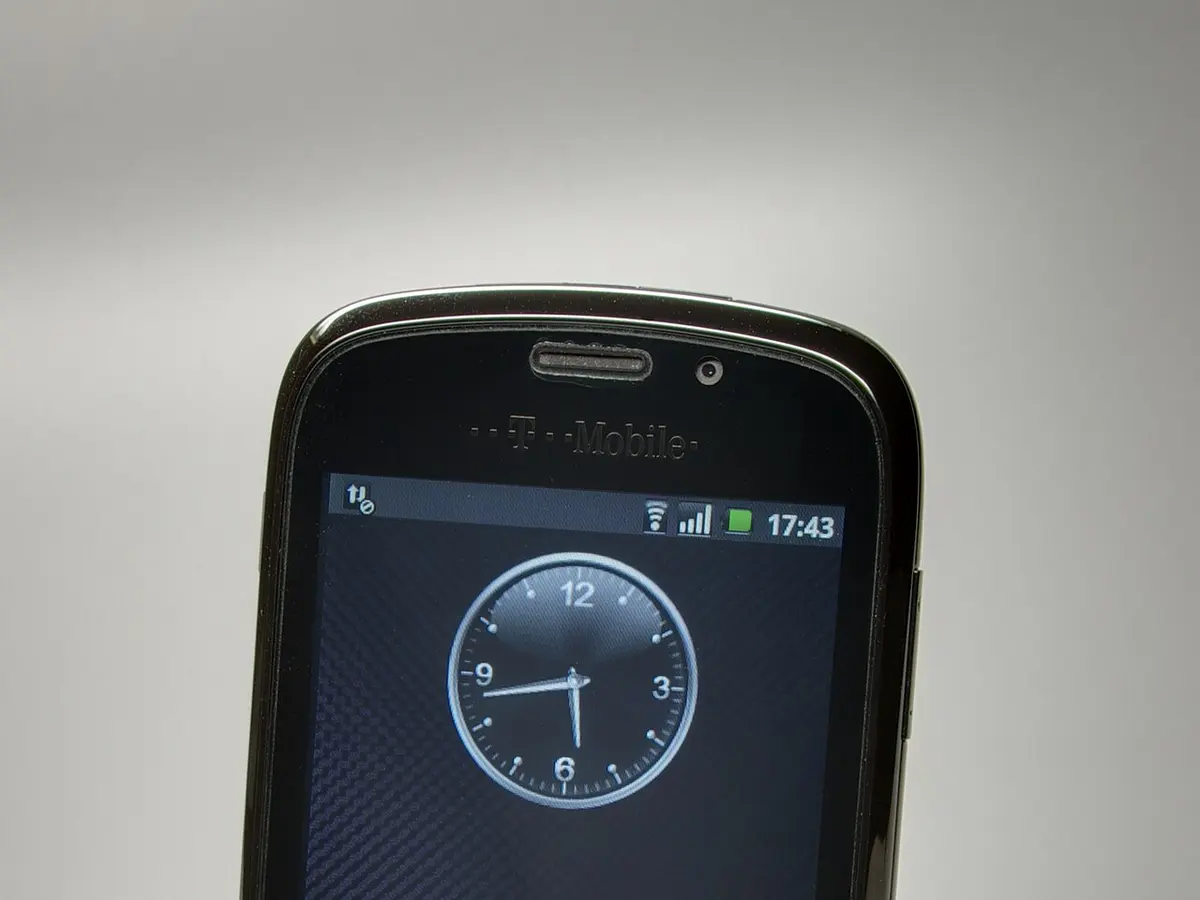
T-Mobile's Tappy robot tested touch screens. A Huawei employee took a robot part from T-Mobile's lab. Trial evidence also covered Cisco router code and Quintel antenna technology. The stolen material also included router manuals and technology for testing robots.
These examples cover software, equipment and a robot part. The case covered more than one copied design. Jurors considered several charges involving trade secrets and sanctions.
Sentencing is scheduled for 14 September. The court can order fines, forfeiture and restitution. Huawei plans to appeal, so the legal fight will continue after the jury's decision.