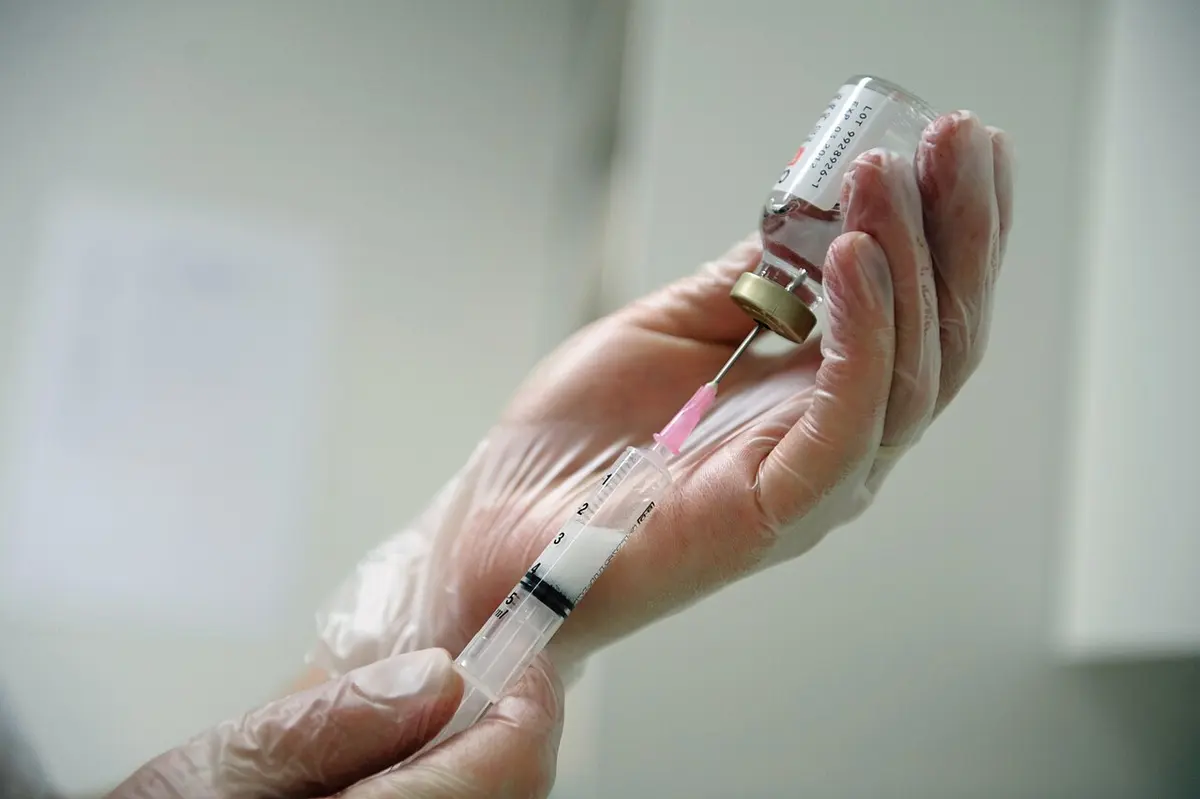
A twice-yearly HIV prevention shot is reaching African countries at a far lower price than the original drug. The first shipment of generic lenacapavir has arrived in Zambia, with Uganda due to receive supplies soon. The injection is expected to cost $40 per person each year. The deliveries could widen access to prevention in a region carrying a large share of the global HIV burden.
Lenacapavir targets HIV's protective protein shell, interfering with the virus's ability to multiply and cause infection. The injection is nearly 100% effective at preventing HIV infection, according to the source. A 2024 trial in Uganda and South Africa included more than 5,000 young women and adolescent girls; none of those given the injection contracted HIV.
The timing is a big part of the appeal. Existing pre-exposure prophylaxis, or PrEP, means medicine taken to prevent HIV before exposure. The pills must be taken daily and can carry social stigma. A shot twice a year changes how often you need to think about prevention, though people still need to be able to get the injections.
Price changes the picture too. The original version, made by Gilead Sciences, cost about $28,000 a year in the United States. The generic price is expected to be $40 a year per person. That gap matters because a prevention option can reach more people when its cost is within the budgets of health programs and patients.
Zambia has received the first global shipment. Uganda is next, Zimbabwe is due to receive supplies early next year, and several other countries are expected to follow. The World Health Organization recommended lenacapavir for HIV prevention in July 2025. More than 189,000 people in 10 countries have already received their first injection, and the Global Fund expects 24 countries to have supplies by the end of 2026.
A twice-yearly option may make prevention easier to fit into daily life, but the size of the change depends on whether people can get the injections. The clearest measure will be how many countries move from receiving supplies to making them available to people who need HIV prevention.