Technology outages touched airline booking, banking and work platforms over a short stretch in November. Apple Pay also went down.
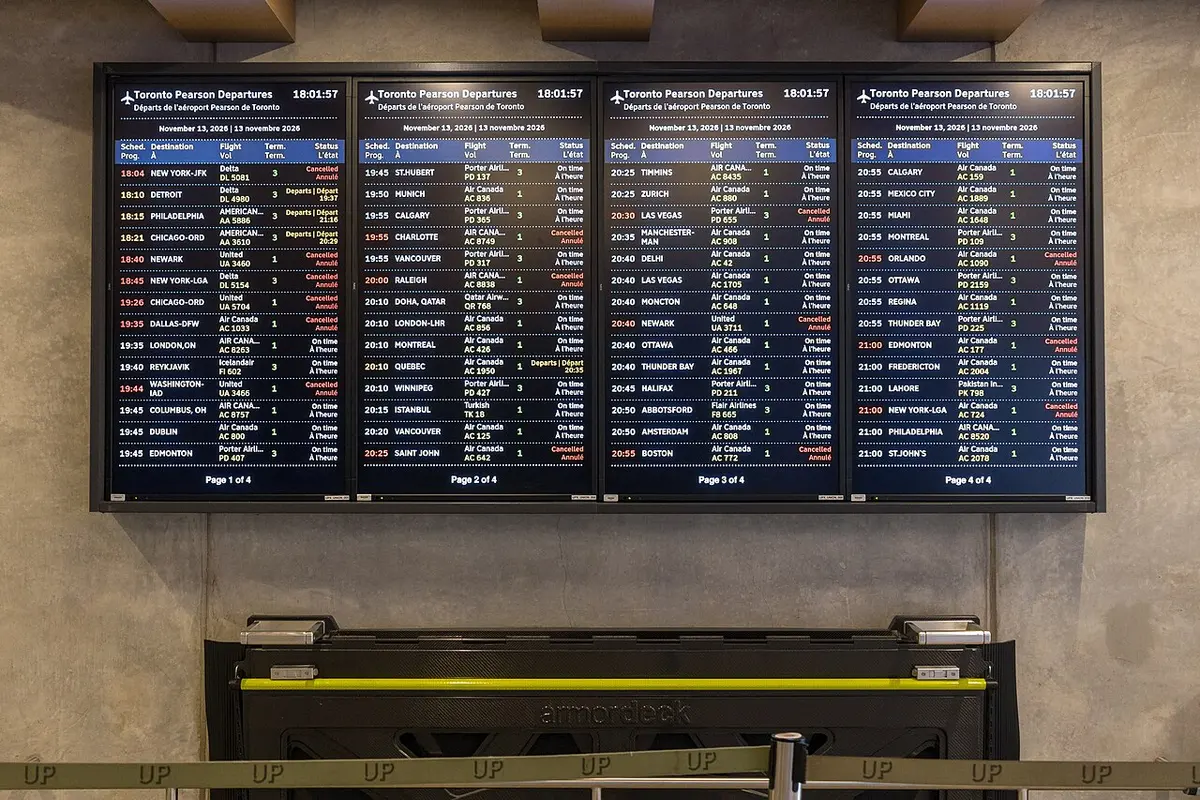
At the center of the travel disruption, the Federal Aviation Administration (FAA), the US agency that oversees civil flights, grounded all flights for hours.
Microsoft's outage took Outlook, Teams and Copilot offline for nearly two days. If you rely on them at work, they were out of reach for that whole time. Some banks' services appeared to stop working, and iCloud also went down.
Why did the trouble arrive so close together? Many of the companies blamed technical faults, not cyberattacks or AI attacks. President Trump called the problems "individual events", and the Director of National Intelligence said the outages don’t seem related to state-sponsored terrorism.
Software engineer Anusha Iyer said early findings in the FAA case pointed to a telecom upgrade overwhelming older equipment. She described a clash between new systems and older hardware.
Cybersecurity investor Dave DeWalt offered another idea: AI tools may be finding software flaws faster, so companies rush out fixes that can break systems in the short term.
The useful question is not whether these events were linked but how long each lasted: nearly two days at Microsoft is a long time for a workplace outage. Anyone whose work depends on one provider should know what the fallback is.