A heart attack can remain possible even after someone's "bad" cholesterol reaches recommended levels. Researchers at Sweden's Chalmers University of Technology found blood protein patterns linked to other fat-carrying particles that may help explain that leftover risk. Their study appeared in the European Heart Journal.
The usual focus is LDL, short for low-density lipoprotein, often called bad cholesterol. Lowering LDL reduces heart attack risk, but some people still develop coronary heart disease after successful treatment. The study looks at three particle types that carry fats through blood: LDL, triglyceride-rich lipoproteins, or TRL, and lipoprotein(a), or Lp(a).
To look beyond the cholesterol inside those particles, the team used proteomics, a broad measurement of proteins in the body. They measured nearly 3,000 proteins in blood samples, then compared those patterns with genetic data and long-term health records. The goal was to see whether each particle type was linked to different biological activity.
TRL and Lp(a) had notably similar protein patterns, and those patterns were linked to later heart disease. Some of the proteins were tied to attracting immune cells, which can promote inflammation and changes in blood vessel walls. That points to a possible route to artery damage beyond cholesterol deposits.
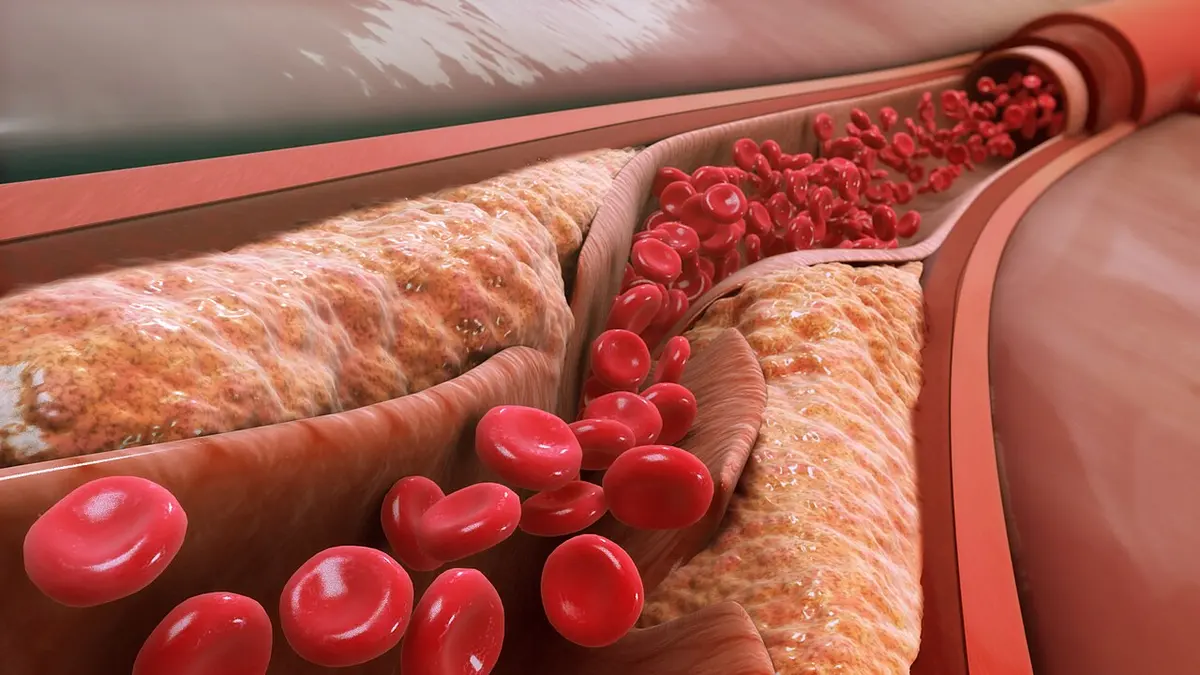
LDL's protein pattern looked different: it was mainly tied to cholesterol building up in artery walls. All three particle types can contribute to those fatty deposits. You can think of LDL as one part of a larger picture of risk.
This study examined biological clues, not a new treatment or a ready-to-use blood test. More research is needed to find out whether measuring or targeting these protein patterns can improve prevention alongside LDL control. If your LDL is already low, this work may help explain some risk that remains.