ChatGPT can now turn a long spoken prompt into text while you're still talking. Live Dictation shows a transcript as you speak, and OpenAI has removed the old 10-minute recording limit.
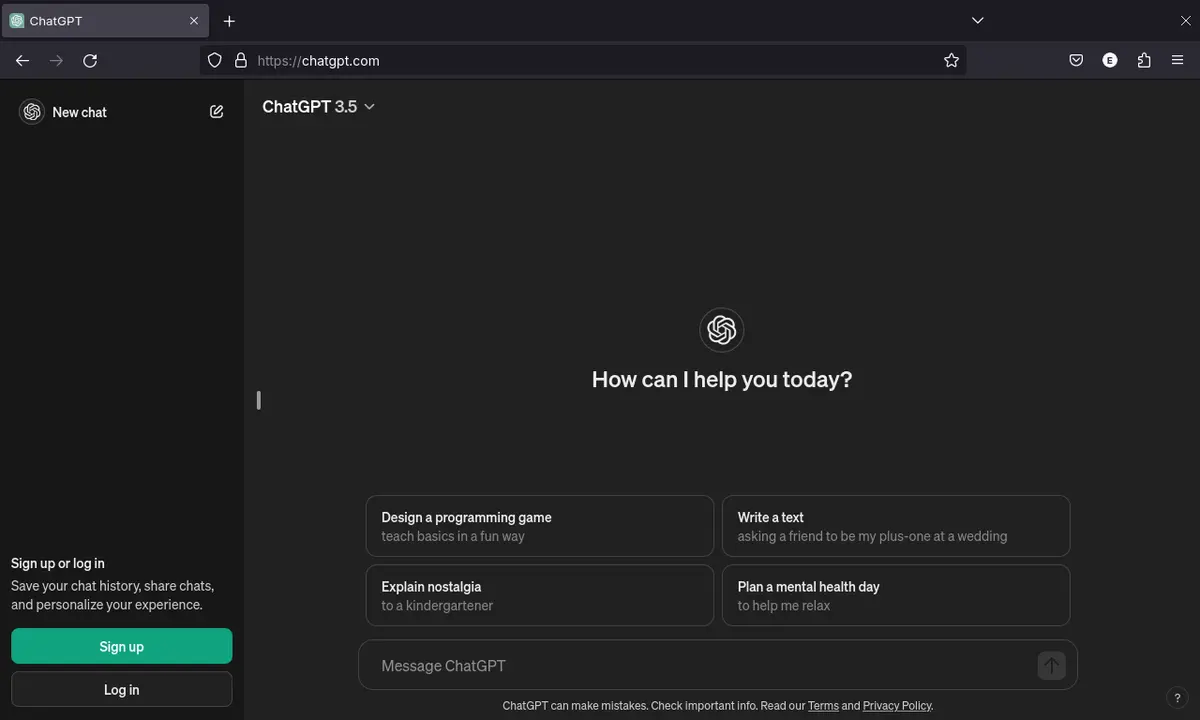
Before this update, dictation waited until you finished recording to produce a full transcript. Now you can tap or click the audio waveform to see the text, then edit it in the prompt box before sending. That gives you a chance to fix a misheard word or cut a thought you don't want to include.
The feature is rolling out globally across all ChatGPT plans, on the web, desktop, iOS and Android apps. The rollout began on 19 November. You can use the same prompt box for spoken questions, or ask ChatGPT to transcribe a voice message or turn it into bullet points.
There's a privacy detail to know if you use a personal account. OpenAI says it may use dictation audio to improve its models when a consumer user has chosen to share audio. You can switch that sharing off in Settings by turning off "Improve the model for everyone."
Business users have a different default: their outputs aren't shared with OpenAI for model training. That distinction matters because speaking can make it easier to put a lot of personal detail into one prompt. The longer limit gives you more room, but it also makes the transcript worth checking before you send it.
Live Dictation removes a practical barrier to asking ChatGPT something in your own words, without stopping to type. Whether seeing the words appear as you speak makes longer prompts easier to shape, or simply easier to overshare, remains to be seen.