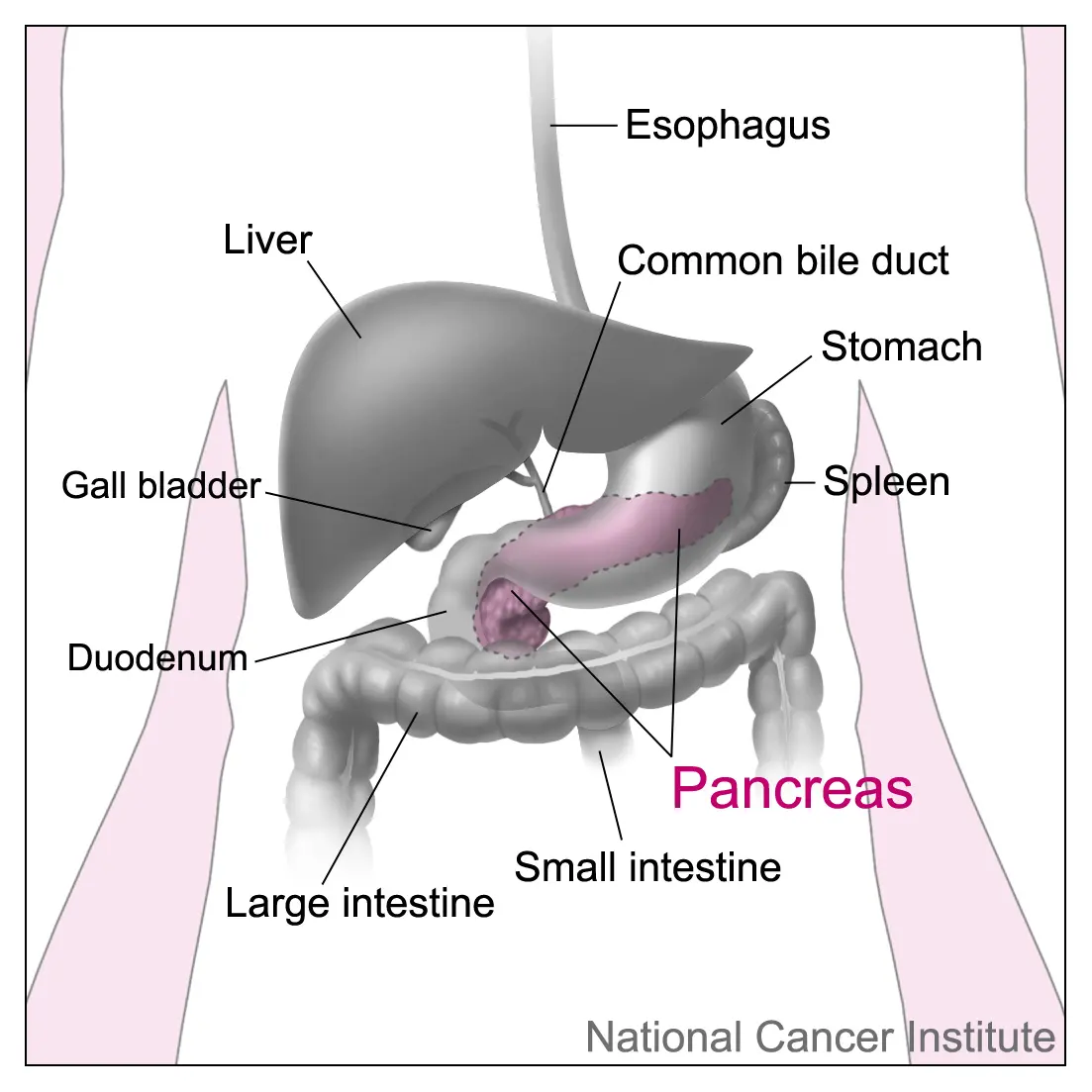
In a trial of 61 people recently diagnosed with advanced pancreatic cancer, tumors stopped growing in most patients who received daraxonrasib. Their cancer had spread to other parts of the body, and the pill was given with chemotherapy.
Tumors stopped growing in 90% of participants, while just over 60% saw tumors shrink or disappear. In about one in 12 people, scans could no longer detect the cancer. If you hear "undetectable," it means the scan showed no sign of it, not that doctors know the cancer is gone for good.
Doctors say the results may offer patients more time before tumors grow again. After one year, 76.6% of participants were alive. The usual figure for people receiving chemotherapy alone is 40% to 45%, though the trial results need longer follow-up to show how long the difference lasts.
Daraxonrasib is a pill that blocks certain RAS changes, which can drive tumor growth. Pancreatic cancer is difficult to treat, and the disease often grows again after chemotherapy shrinks tumors.
Researchers followed participants for an average of 18 months, and some had no sign of the cancer returning during that period. Longer studies will track whether any patients reach remission. For someone following this research, the key question is how long the tumors stay controlled.
The results stand out because tumor growth stopped in so many people, not just because scans looked clear for some. The next important measure is whether that control lasts as researchers follow patients for longer.