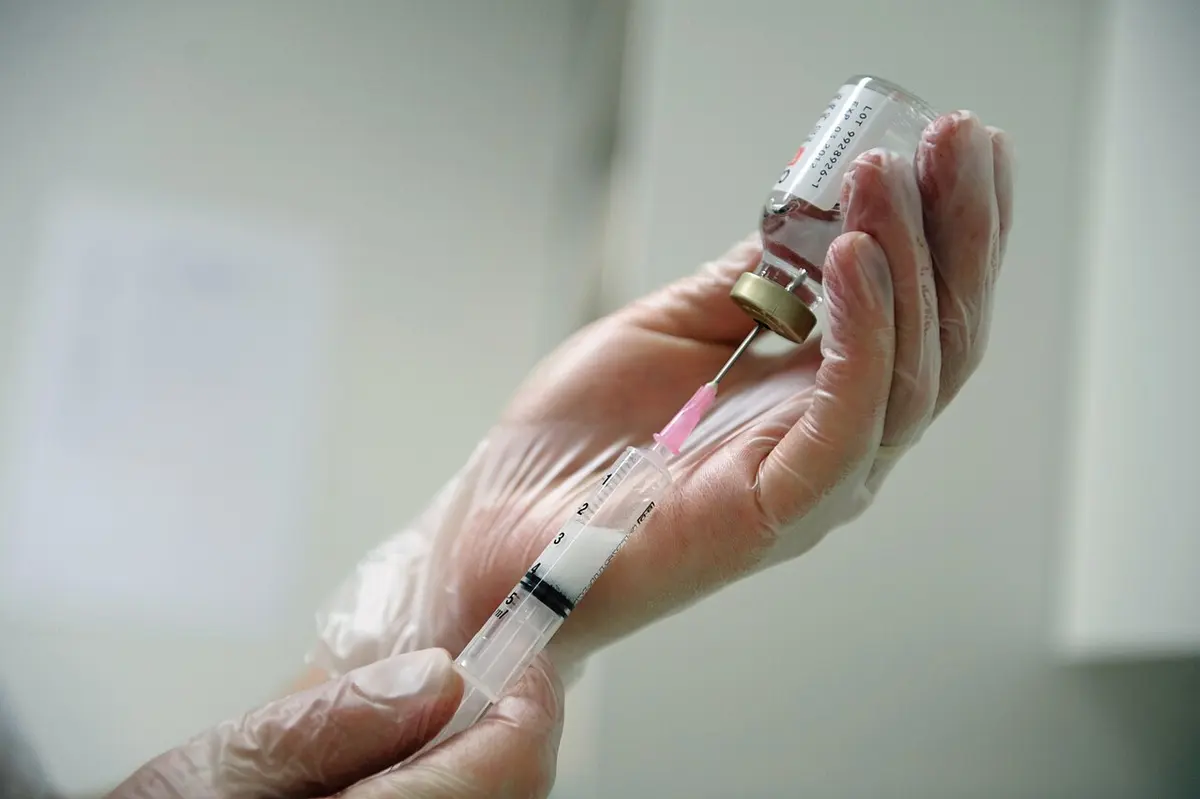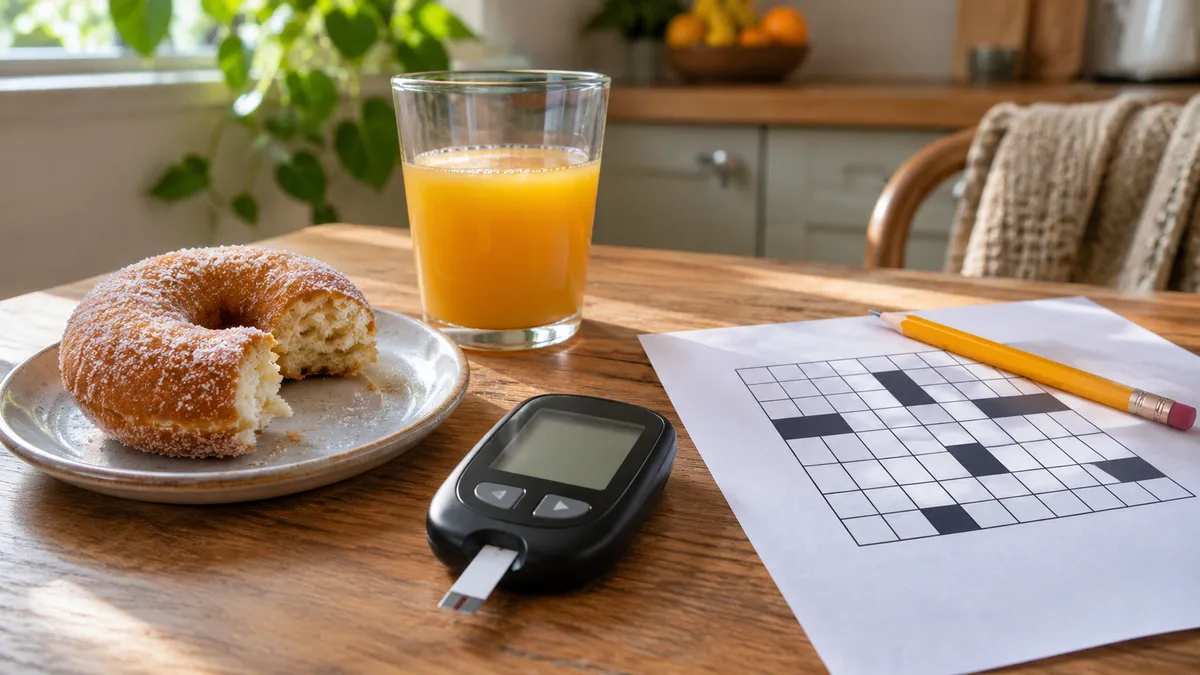
In the financial year 2025-26, 419 children under 18 received prescriptions for GLP-1 medicines, including 10 under 12. The figures come from prescriptions recorded in England. GLP-1 medicines were first made to help people with type 2 diabetes manage blood sugar. Some are now used to help with weight loss.
If you are reading these figures, they count prescriptions in England dispensed at community pharmacies anywhere in the UK. They leave out private prescriptions, hospitals and prisons, and it is unclear whether the medicines were prescribed primarily for weight loss. Another 341 children received prescriptions during the four months ending in July 2026; 15 were under 12.
By May 2026, almost 6,500 children had been referred, including more than 400 younger than four. Some children receive weight-loss medicines through NHS specialist services for severe obesity. Specialist NHS clinics for children aged two to 16 began as a pilot in 2021. Only some of these clinics can get funding for GLP-1 medicines, which are usually dispensed through hospital pharmacies.
Guidance and research point to different ages. A Novo Nordisk trial of 165 children aged six to under 12 suggested GLP-1 medicines may help younger children with obesity. The company makes Wegovy and Victoza. The World Health Organization's global guidance advises against obesity medicines for children younger than 10.
Martin Whyte, a University of Surrey professor, says few prescriptions have been issued compared with the scale of childhood obesity. Whyte stresses that children who start these medicines should have specialist support and a long-term plan, with regular checks on growth, puberty, nutrition, mental health, eating behaviours and side effects. He points to two reasons: weight tends to return when treatment stops, and evidence about use over many years in growing children remains limited.
The figures count a small number of children, but it is unclear whether the medicines were prescribed mainly for weight loss. For families, the question is whether wider use can keep specialist support and long-term checks in place.