A waist measurement and a check on how organs work could change an obesity diagnosis. Researchers tested this approach in health data from 844,108 adults in China, the UK, the US and Spain. The study was published in Nature on 11 November 2026.
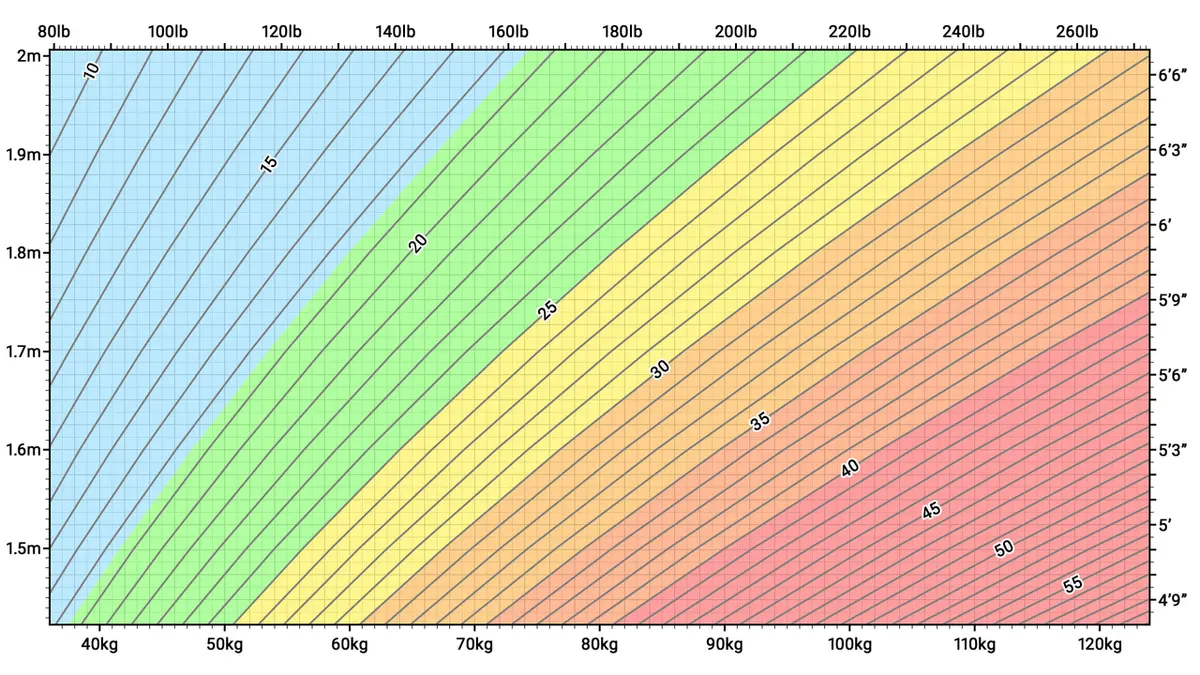
The approach adds two steps to body mass index (BMI), a measure based on weight and height. First, waist size and waist-to-height ratio help check for excess body fat. Clinicians then check whether the fat affects organ function. Your BMI is one part of the check. The study's framework grew out of a proposal by a Lancet Commission in 2025.
BMI alone classified about 1% to 3% of adults as having obesity when the new system found no excess body fat. It also missed excess body fat in about 5% to 9%. At that scale, the difference could affect tens of millions of people, according to Francesco Rubino, a study author at King's College London.
The system separates two groups. Clinical obesity means excess fat is already affecting organ function. Preclinical obesity means it may pose a health risk, but no organ problems have been found. Clinical obesity made up about 23% to 31% of obesity cases in the study. Over 10 years, around 9% to 23% of people with preclinical obesity developed clinical obesity.
The study found that excess body fat predicted the risk of death better than BMI alone. The organ checks used diagnostic codes, not direct clinical assessments. Epidemiologist Sonia Anand said more validation is needed in South Asian, Indigenous and other underrepresented groups.
The main change is that doctors look beyond one number and ask whether a person's health is affected. That could help clinicians match care to each person. Next, researchers need to see if this framework works across groups and in everyday care.