In 2025, 24% of people selected for South Wales Police facial recognition checks were from ethnic minorities, although the group made up 7% of the area's population. The figures show a wide gap between scan selection and population share.
Ethnic minority people were also 11% of those arrested in the area, underscoring the gap between scans and arrests.
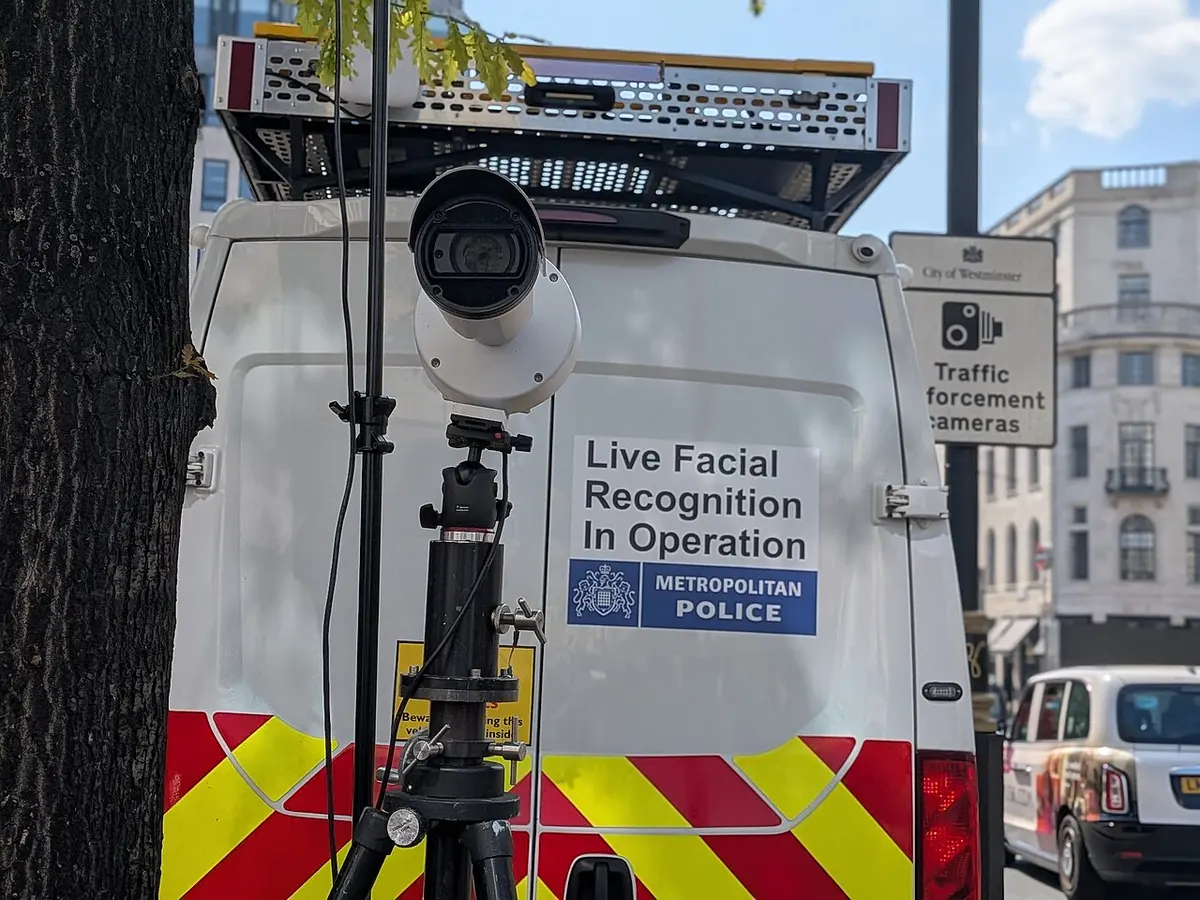
Officers scanned 257 adults and 14 children in 2025, including two under 10. An officer starts these checks in the field with a smartphone image of a person's face, which Neoface matches against custody mugshots and other face databases. This process is called officer-initiated facial recognition. If an officer scans you, your face is compared with those records.
An arrest followed in 48% of cases where the software found a match, while about a third led to no further action. More than half of scans involved people suspected of a crime, unlawfully at large or breaching bail conditions. Other scans involved people officers thought might harm themselves or others, suspected missing people and people who had died.
The force acknowledges concerns about disproportionality and is reviewing its approach. It describes its use of the technology as being in its early stages. Each deployment reflects the circumstances officers face and receives supervisory scrutiny.
Numbers this small still matter when they show such a large difference in who gets checked. The force's review will matter most if it explains how that gap arose and what changes follow, because the first decision is who gets scanned.