Some adults who felt well at the start of a study later showed cognitive decline. A brain activity score helped distinguish who was more likely to decline, in research led by Stanford Medicine.
The team first compared brain scans from 180 adults aged 75 and older with unusually strong memories and 110 people with Alzheimer's disease. They used the patterns to build a score, then applied it to more than 1,300 cognitively healthy adults aged 55 to 70.
The scan recorded activity while people rested. The score reflects how closely activity patterns resemble those seen in the two older groups. You can think of it as a measure of how closely brain regions work together, rather than a memory-test score.
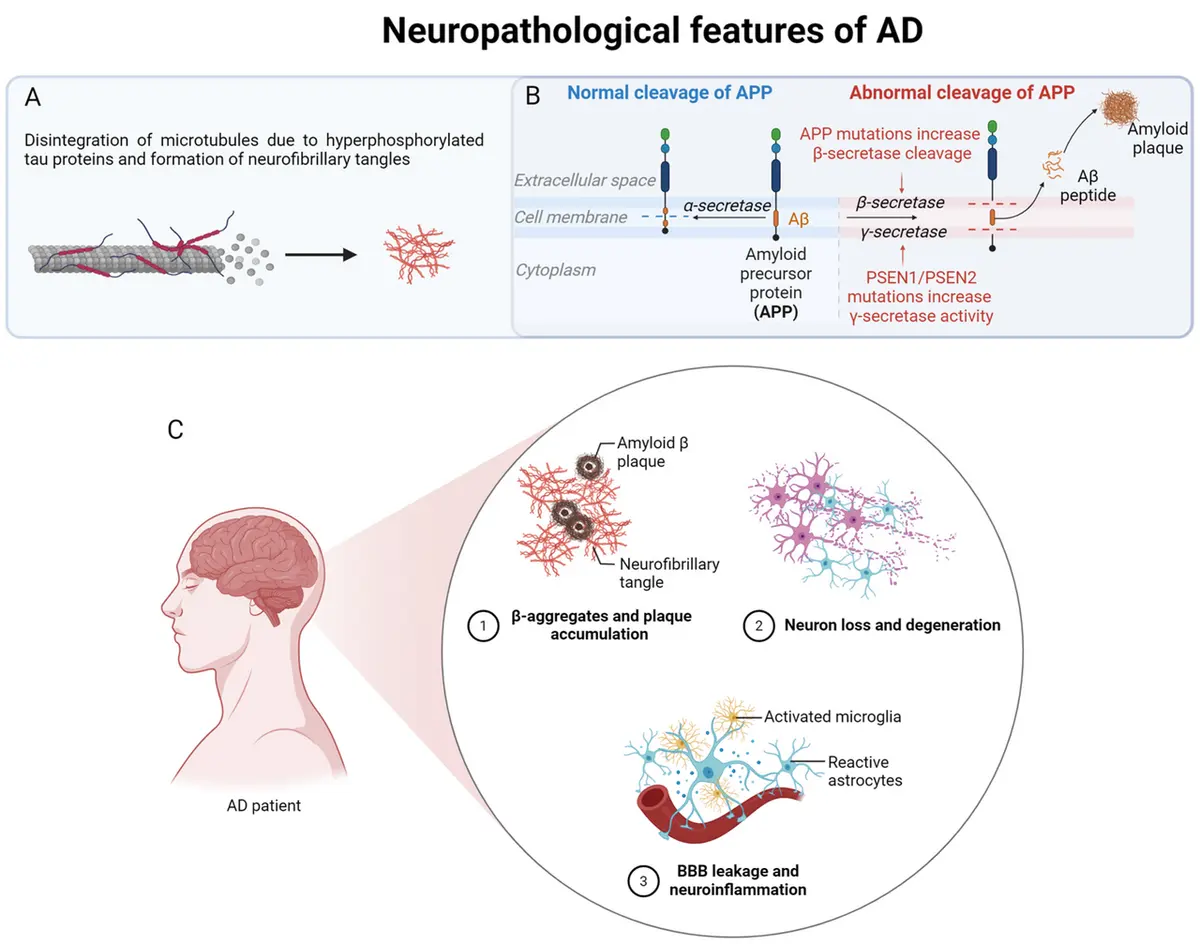
At the start, people with higher and lower scores showed no obvious difference in cognitive performance. During follow-up, those with more Alzheimer's-like patterns were more likely to decline, develop amyloid-beta plaques, or receive an Alzheimer's diagnosis. Some participants were followed for as long as 12 years, though most were tracked for about five to six.
The score predicted decline better than several established indicators, including genetic risk factors and amyloid-beta and tau markers. It also distinguished the two older groups with about 85% accuracy. Those results suggest brain activity could offer an earlier warning than some traditional measures, but the score is not meant to diagnose Alzheimer's.
For someone who feels well, the useful point is that risk-related changes may show up before memory tests do. You can't use the score to diagnose yourself; researchers are preparing a trial to see whether cognitive training can change it. Whether changing the patterns could prevent or delay Alzheimer's remains unknown.