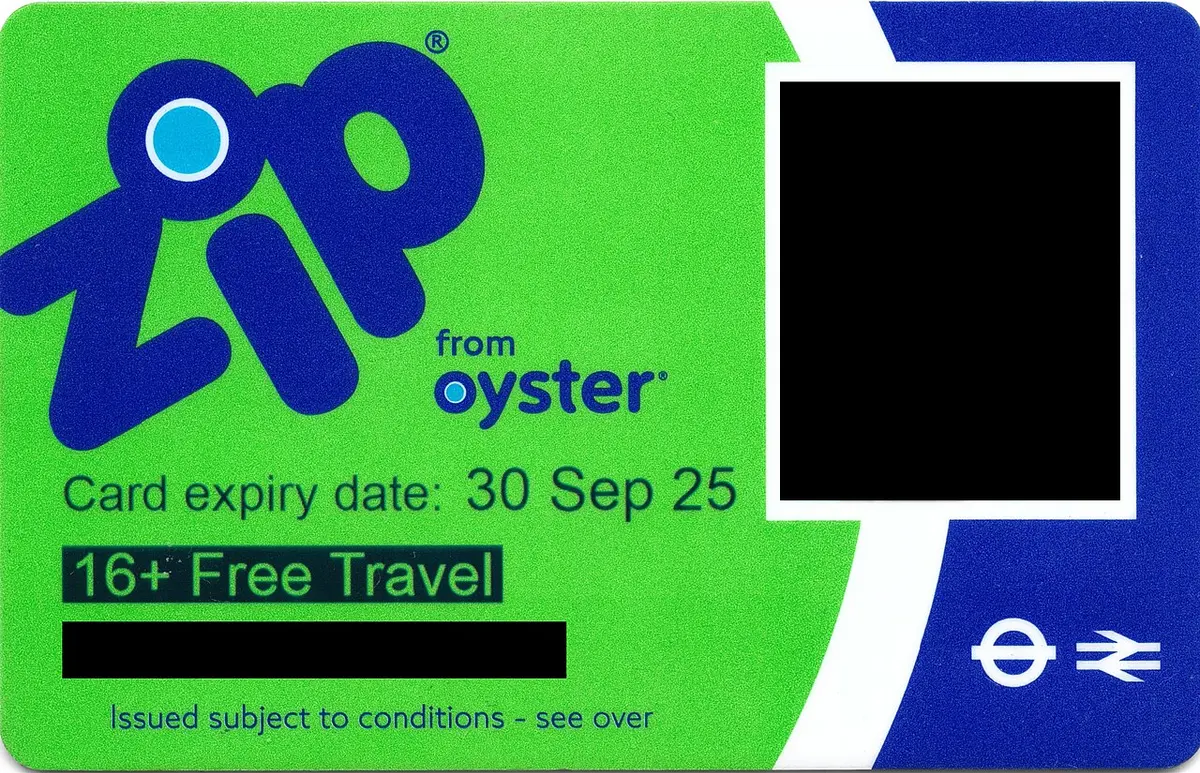
Transport for London (TfL), London's public transport authority, found out about the breach on 16 November 2026, when photocard holders started getting emails asking them to create accounts they already had. The emails came from TfL's own systems because attackers had broken in. Oyster photocards are travel cards with the holder's photo that give free or cheaper travel to groups such as children, students and people aged 60 and over.
Around 265,000 customers may have had account details exposed, up from an earlier estimate of 250,000. The investigation is still under way, so that count could rise. TfL's notifications say the exposed details include security questions and answers.
The agency believes the attackers did not reach passwords, bank and card details, travel records, or the names and birth dates of children with Zip Oyster cards, the photocard for children. It has found no evidence so far that the exposed data was misused, and has told the UK's Information Commissioner's Office (ICO).
The Oyster photocard website is offline while TfL investigates. Your existing card still works for travel; if you need to renew it or check your journey history, contact TfL Customer Services. Anyone who received the account-creation email can ignore it.
When the website returns, TfL plans to prompt every photocard holder to change their password and security questions and answers. Customers are also advised to change the same password or answers on any other site where they were reused.
Security answers deserve as much care as passwords, because they are meant to help restore access to an account. TfL's reset is the right step, and the final number of affected accounts should be published once the investigation ends.