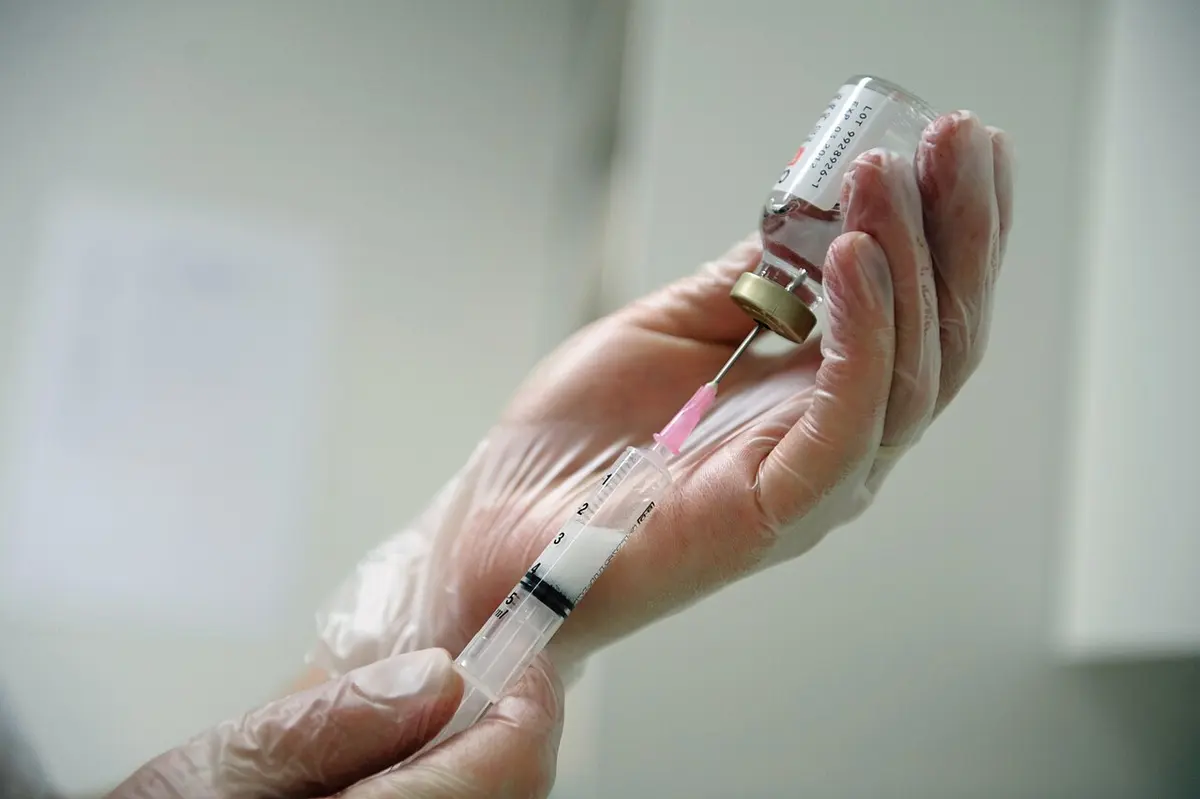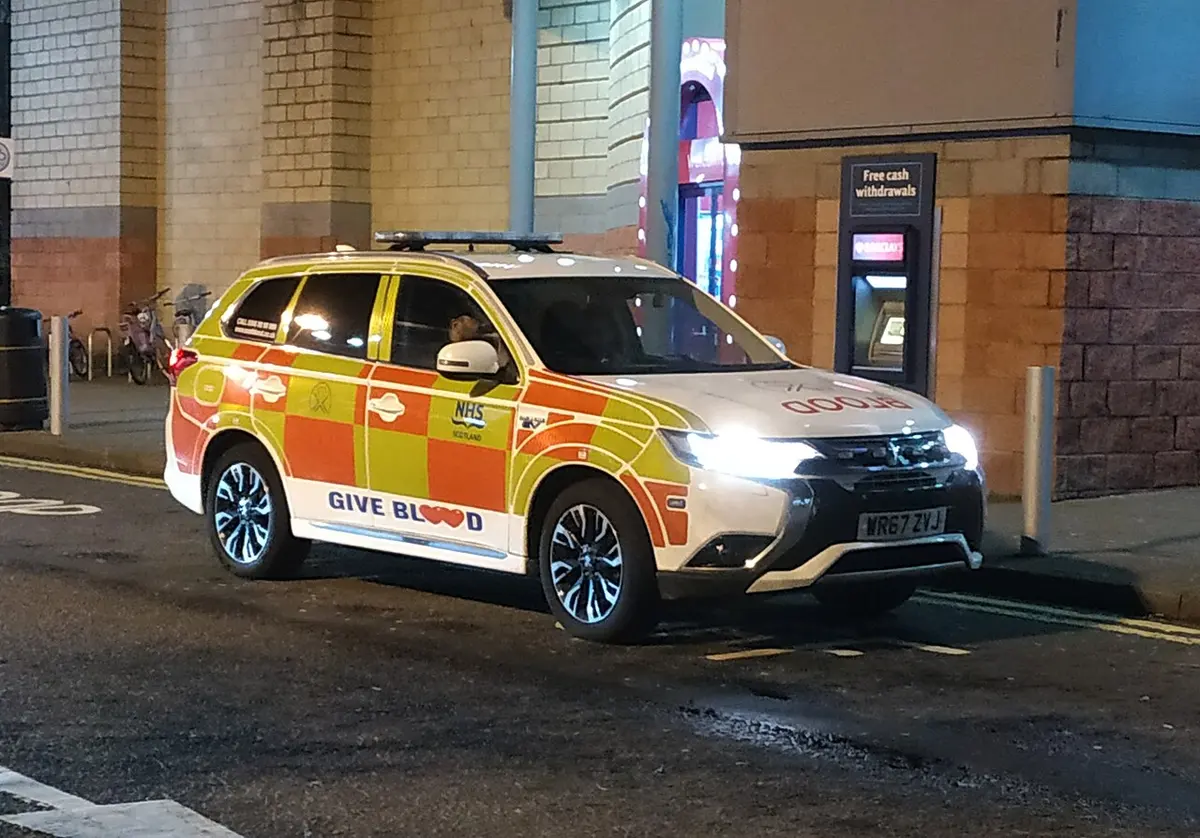
The appeal covers blood, platelets, which help blood clot, and plasma. UK blood services are seeking 150,000 donations over the coming weeks, as reserves of certain blood types are only half of what is considered necessary.
Winter can squeeze supply and raise demand at the same time. People with long-term conditions such as sickle cell disease or cancer may need more blood or platelet transfusions. Colds, coughs and flu keep people who are unwell from donating.
Hospitals need 5,000 donors a day from now until the new year, including people who already donate and first-time volunteers. Blood can be stored for 35 days, but platelets last only seven. So supplies need regular top-ups, rather than one big winter push.
Some blood types are especially low: O negative, B negative, O positive and RO. People of Black heritage are also being asked to donate, to help treat people with sickle cell disease. That makes the appeal especially relevant if you can give and match a needed type.
Services are also trying to increase plasma supplies, which are used to make medicines for people with serious immune conditions that can be harder to manage in winter. The Scottish National Blood Transfusion Service issued its first amber alert for O blood types earlier in November, after stocks reached what it called unprecedented lows.
Larger centres in towns and cities have the most appointments, especially for first-time donors and people with common blood types. You can check back for cancellations if a suitable slot is not available straight away. The appeal describes each donation as an hour-long and able to help save three lives. NHS Blood and Transplant is an NHS body that supplies blood, organs and related services.
This appeal is about keeping care possible through a season that can disrupt donations while some patients need more support. The clearest sign of progress will be whether services can keep blood and plasma available when patients need them.