After 26 years with measles elimination status, the US lost it on 17 November. The Pan American Health Organization, the regional health agency for the Americas, made the change after at least 12 months of continuous spread.
The status allowed for cases brought in from abroad, as long as chains of spread were stopped within a year. The decision recognizes that measles has become established again in the US.
The review covered cases from January 2025 through January 2026. So the large Pennsylvania outbreak that began in April 2026 did not cause the decision. The US recorded 2,289 cases in 2025; in 2026, cases have risen above 5,400. State data lists ten confirmed deaths, while the CDC lists six. (Ars Technica)
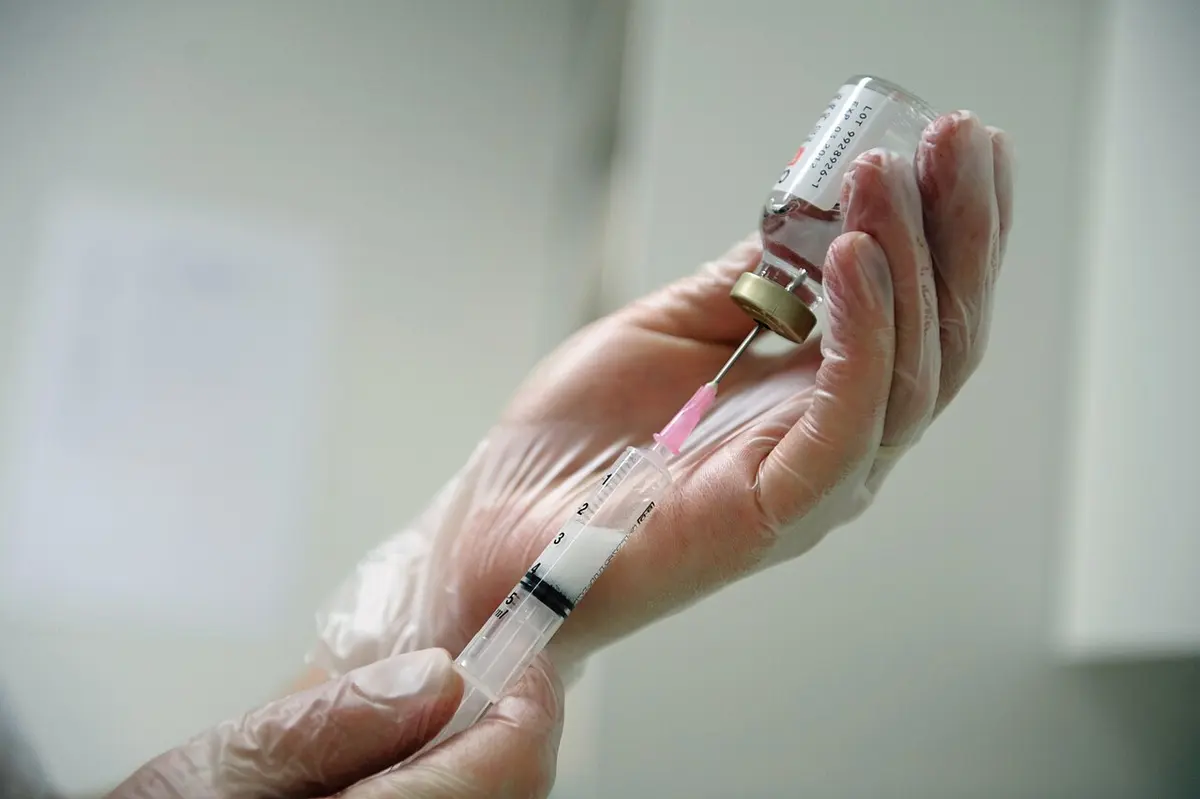
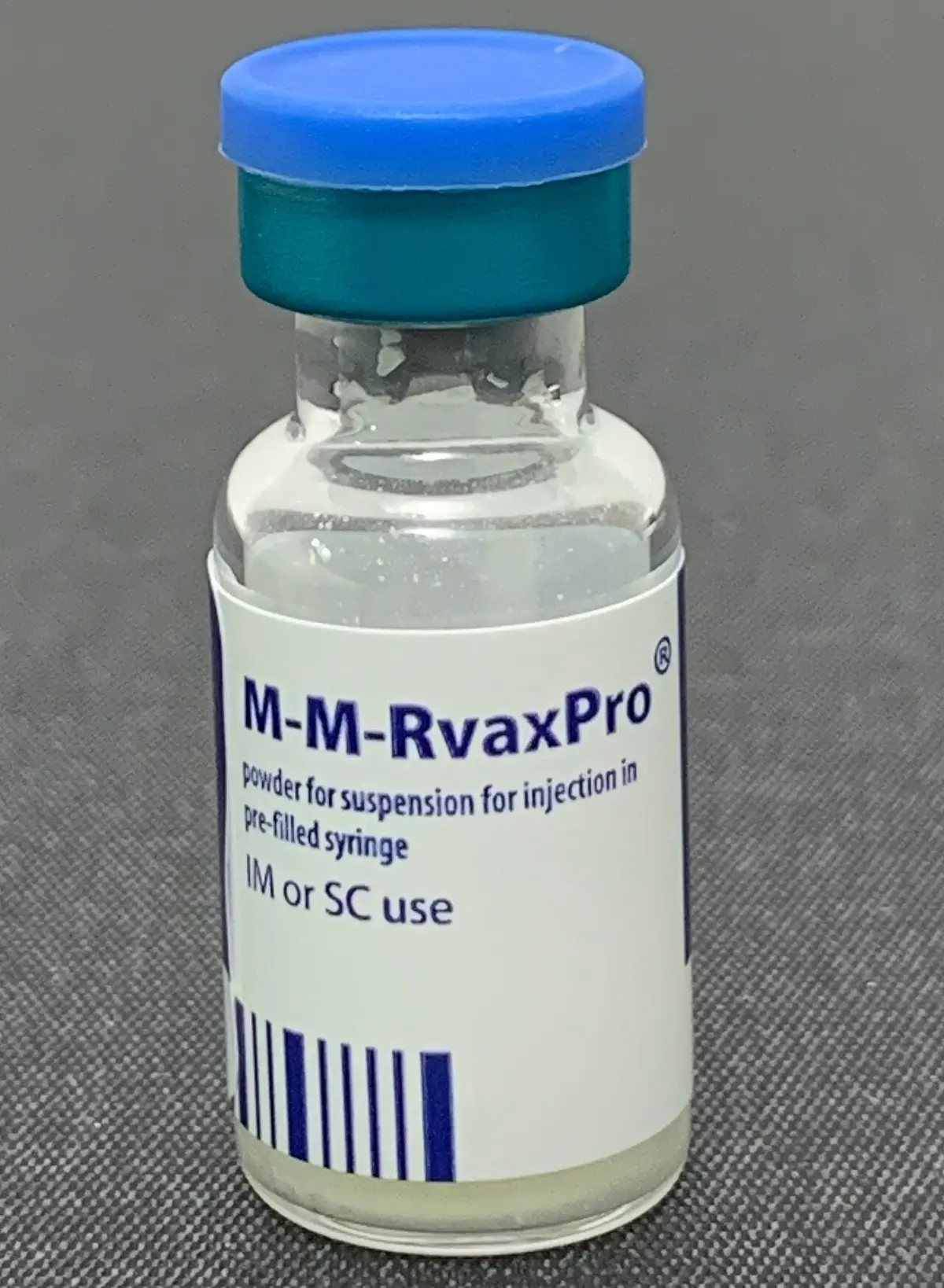
That is a sharp change from the years after 2000, when the US typically had fewer than 100 cases a year through 2024. The MMR vaccine protects against measles, mumps and rubella. Only 92.4% of kindergarteners received it in the 2025-2026 school year, below the 95% level considered protective against measles spread. (Scientific American)
You can see why a national average can mislead: vaccination gaps in particular communities can let the virus keep moving. The US must submit a corrective plan to PAHO, with steps to detect cases, respond quickly and reach areas with low vaccination coverage. (STAT)
The lost status records a chain of spread that public health efforts did not stop in time. The measure that matters next is whether local gaps close and transmission ends; a national average can hide the communities where protection remains low.