BAE Systems, the British aerospace and defence company, plans to cut 1,070 jobs in its UK head office and air business. That's about 2% of its 50,000 UK workers.
The affected areas include about 18,500 people in the air business and about 1,000 at the London head office. Staff would volunteer to leave under the plan. Shop-floor workers, aircraft maintenance staff at RAF bases and early-career trainees are excluded.
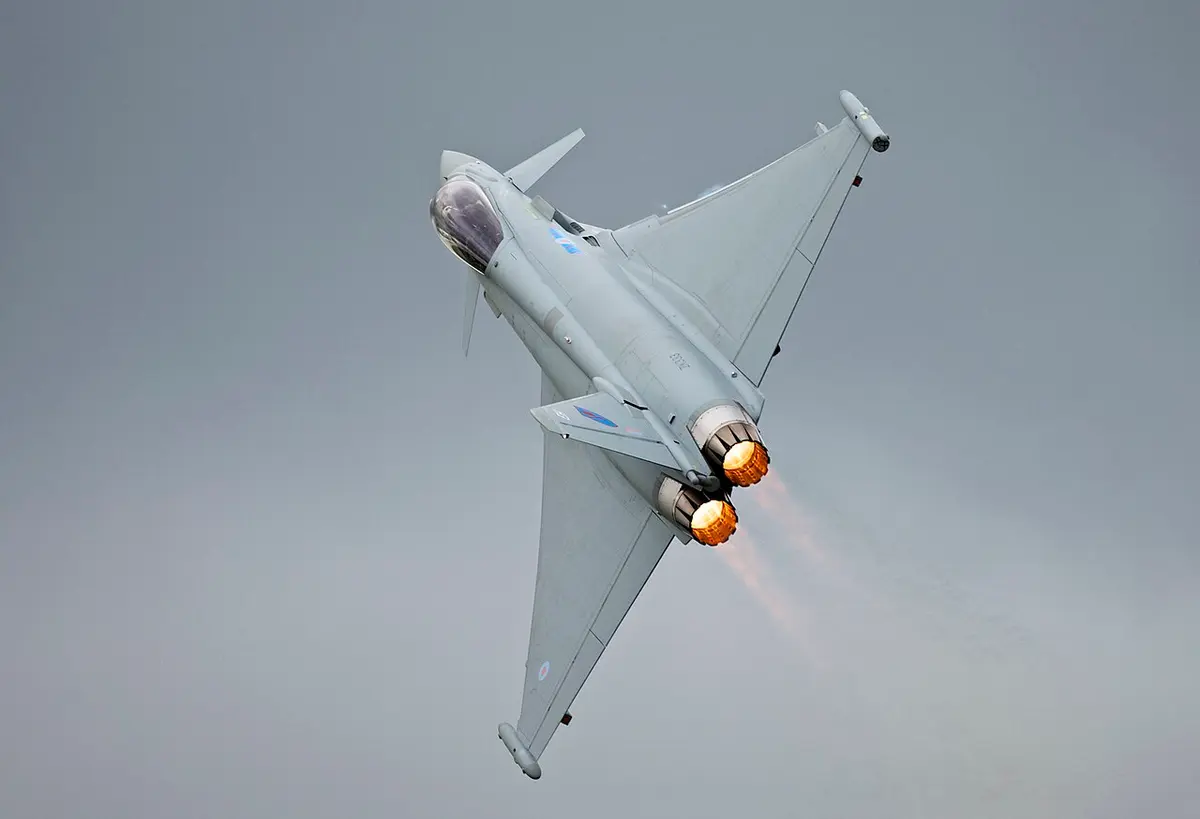
The reason may run deeper than trimming costs. A person familiar with the cuts links them to uncertainty around the Eurofighter Typhoon, the fighter jet made by a European partnership that includes BAE. The company has work from an order for 20 jets from Turkey, but that order is thought to cover only two years at its Lancashire factories. That may not carry jobs through to the next generation of fighters, including Tempest, which BAE is due to produce with Italy and Japan.
You can see the tension in BAE's order book: it had secured £33bn in orders by October and expected more contracts before the end of 2026. It also raised its forecast for free cash flow, the money left after business costs, from about £2bn to £3bn for the financial year. Strong orders and cash don't automatically mean steady work in every team.
The plans have prompted calls for more orders for British-built aircraft. The Ministry of Defence points to a £708m extension for BAE's work on the Global Combat Air Programme and says last year's £8bn Turkey deal supports 6,000 jobs at two BAE sites.
For workers, the key issue is whether new aircraft work arrives in time to bridge the gap around the Typhoon programme. The announced cuts show that a large order book can still leave specific teams facing job losses. The question is whether future contracts can turn defence spending into secure work.