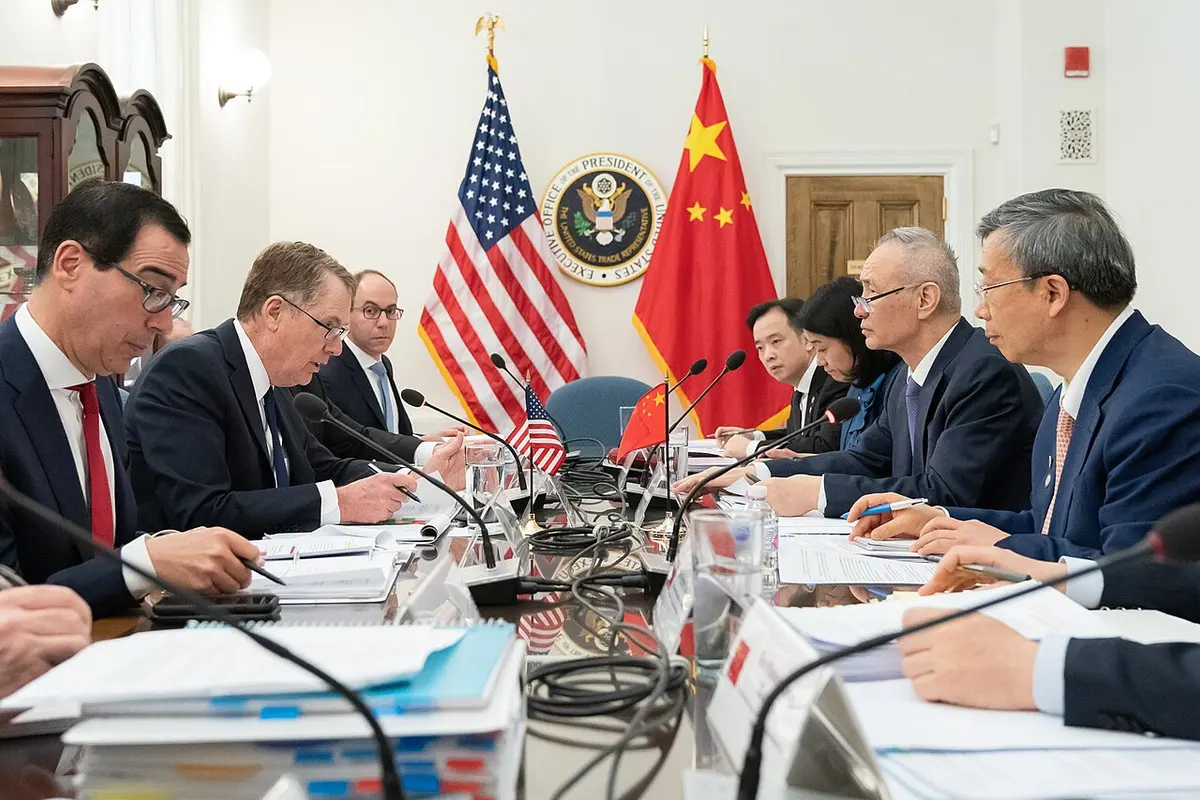
The agreement took almost 10 years to negotiate. On 21 November 2026, the European Union (EU) and Indonesia signed a trade deal aimed at cutting barriers across a market of 730 million people. The deal includes a broad economic partnership and a separate investment agreement. That is the combined population of the two sides, not a promise that everyone will feel a change soon.
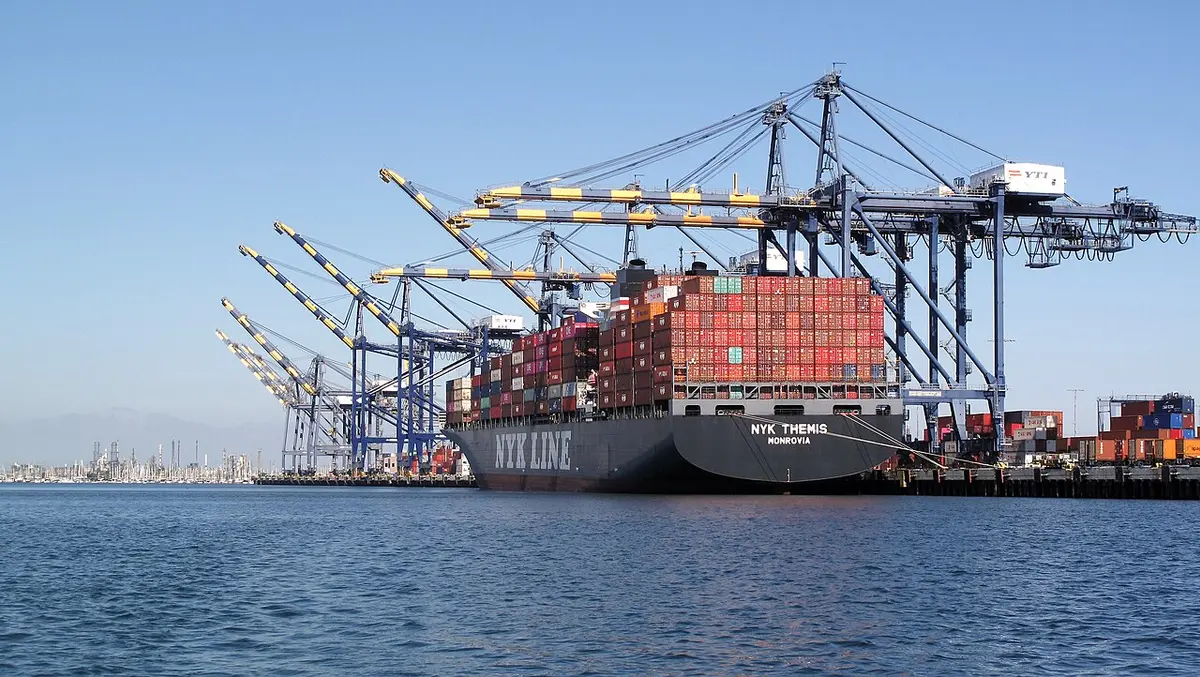
The clearest change is for goods going from the EU to Indonesia. Tariffs, or taxes charged on imported goods, are set to disappear on about 98% of EU exports to Indonesia. The EU estimates European companies could save more than €600 million each year.
Palm oil and deforestation had held up negotiations. The deal includes cooperation on rules and sustainability, plus a specific palm oil protocol to address environmental concerns. Indonesia also expects gains for exports to Europe, including palm oil, footwear and textiles.
The agreement aims to attract investment in electric vehicles, electronics and pharmaceuticals. Your experience will depend on which goods and businesses make use of the new terms.
For businesses, the next step is approval. The European Parliament and Indonesian authorities must complete their steps before the deal can take effect. It is expected to enter into force in 2027.