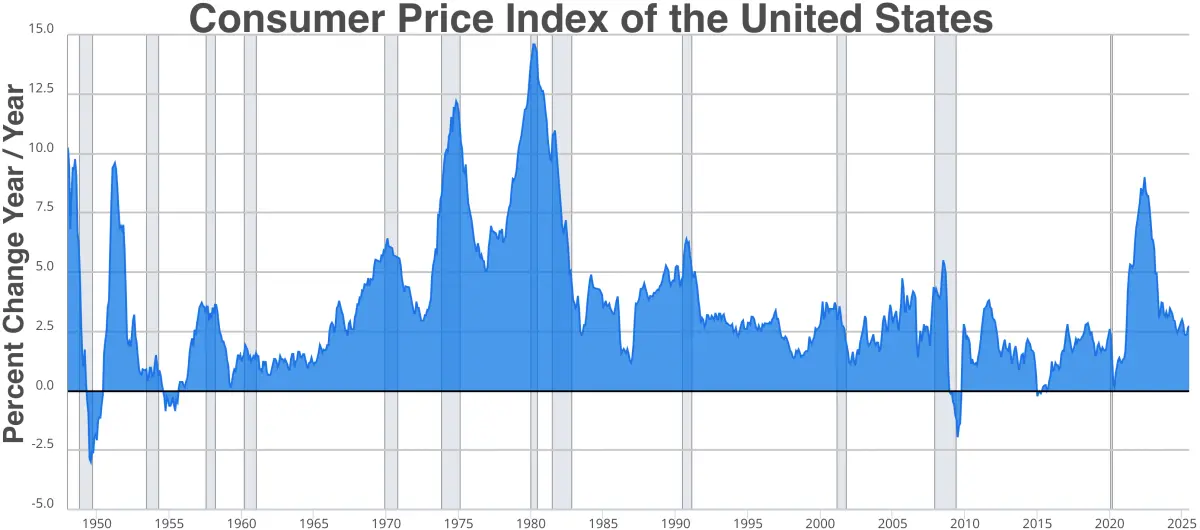
The pace of US price increases slowed in October, even as the overall price level kept rising. Prices measured by the consumer price index, a measure of what households pay for goods and services, climbed 0.4% from September. The increase was slightly higher than expected.
That was slower than September, when prices rose 0.6% from August. But there's no official comparison with October last year: the Bureau of Labor Statistics, which produces the figures, did not collect October 2025 data during a government shutdown.
Energy helps explain the change in pace. Energy prices rose 0.7% in October, after a much sharper 5.2% increase in September. Higher energy costs linked to the Iran war have been the main driver of inflation, so the smaller rise eased some pressure on the monthly total.
Gas prices also edged down. The average fell from $4.41 a gallon at the start of October to $4.22 a gallon. That can lower costs for people who drive, but it doesn't mean prices have stopped rising across the economy.
Without the missing year-earlier data, economists at Oxford Economics estimated that October's annual inflation rate would have been 3.9%. That would be below May's 4.2%, which was the highest in three years, but it is an estimate, not the official October rate. The Federal Reserve's inflation target is 2%.
The Fed raised interest rates in September for the first time since 2023 and is expected to raise them again in December. Higher rates make borrowing more expensive and can slow price increases, though energy costs are a major part of the current rise.
For your household budget, a slower monthly increase means prices are climbing less quickly, not that everyday costs have fallen. The useful signal to watch is whether that slower pace lasts and reaches beyond energy.