Washington has proposed higher import taxes for 14 partners, while lower rates remain available to countries with completed deals or ongoing negotiations. The new tariff proposals cover major US trading partners including China, the European Union, India and Japan.
Tariffs are taxes on imported goods, usually paid by the business bringing them into the US. Proposed rates start at 15% for the EU, South Korea, Switzerland and Taiwan, and rise to 35% for Vietnam. These rates are still proposals. A hearing is scheduled for 25 January, and the final duties could begin in February or March.
The biggest gap between the deal and no-deal rates is in India and Vietnam. India's proposed rate is 25%, but could fall to 17% with an agreement; Vietnam's could drop from 35% to 20%. That gives both governments a clear reason to keep trade talks moving.
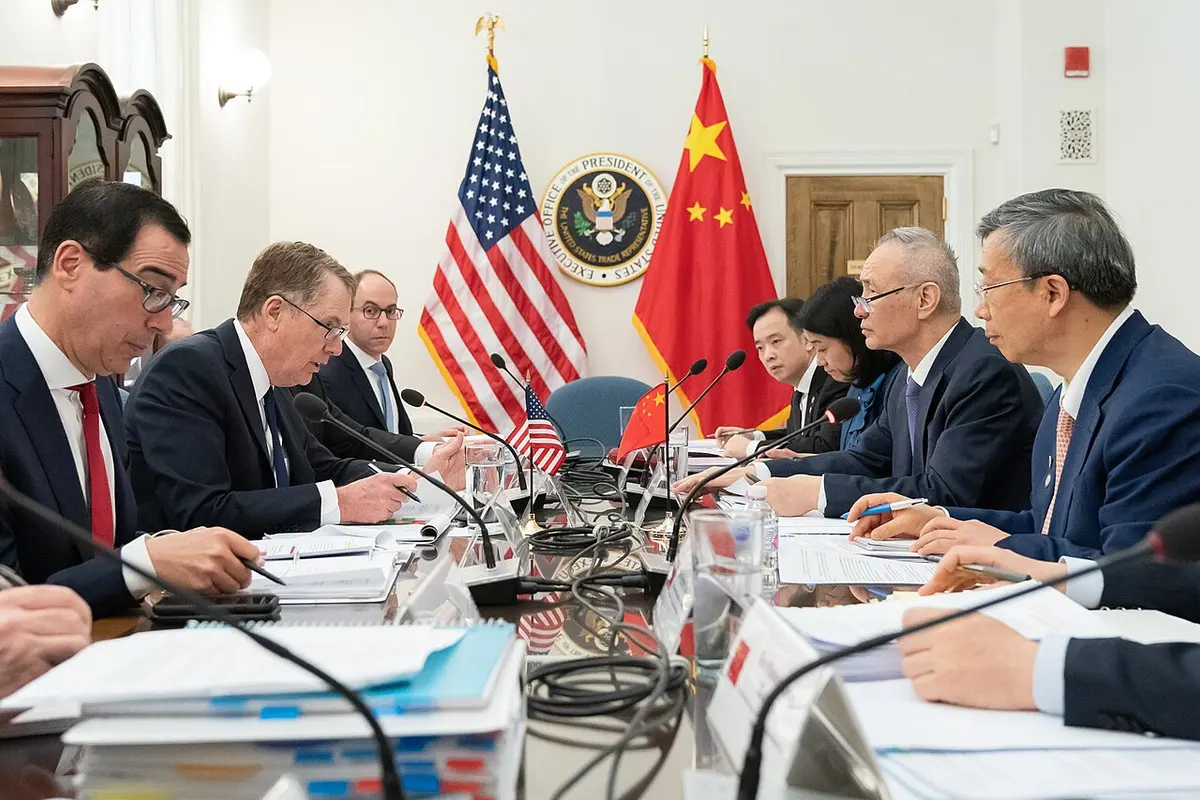
China faces a proposed cap of 20%, on top of an existing 25% tariff from Trump's first term. The truce is set to expire on 10 January 2027; if it is not extended, the rate could rise to 40%. Separately, under the 20% cap, some goods could face a total rate of 45% when other import taxes are included.
Some sectors are carved out. South Korean chips and Taiwanese electronics are exempt from these proposed tariffs, which limits the reach of the measures in economies where those industries matter. Still, economists warn that businesses may pass higher import costs on to you, pushing up prices.
For households, the key question is whether those costs reach shop prices; for trading partners, it is how much the proposed rates change as talks continue.