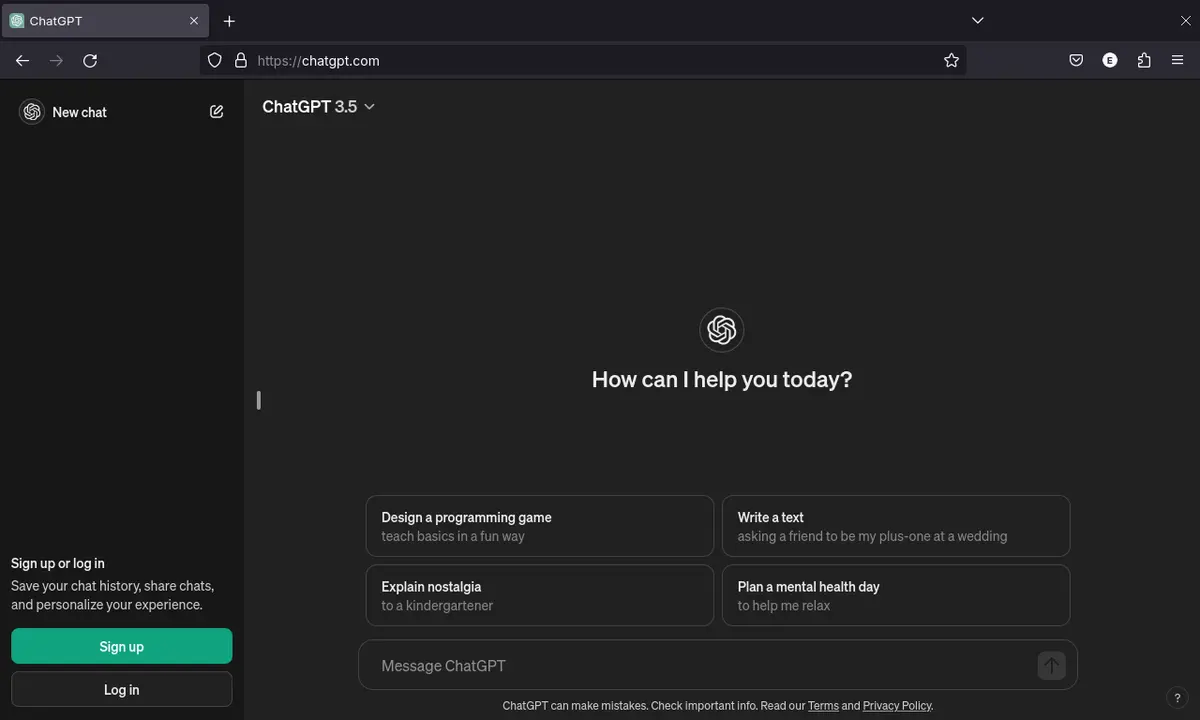
ChatGPT is giving businesses pages to manage. Those pages can show details from the business as people explore services. The Business Hub is in beta. Eligible businesses where ChatGPT is available can claim their business through the hub.
After verification, a company can update key details and add a product feed with prices and availability. ChatGPT can use those details to help people compare products and services.
The hub shows combined activity, not individual chats. It tracks mentions, website clicks, and common topics in conversations where a business site appears. Insights appear only after enough conversations or interactions. Businesses do not receive users' conversations or Business Agent chats.
A profile can appear when ChatGPT names a business in an answer. You can open it and, when available, start a separate chat with the company's Business Agent. Eligible businesses can build agents to answer questions about their products and services.
For now, eligible online shops and service providers in the United States can use Business Agents. Companies can sponsor an agent and choose it as the destination for ChatGPT ads. Sponsored placements are labeled and separate from ChatGPT's answers.
This is a move toward discovery and follow-up questions, rather than buying directly in ChatGPT. OpenAI ended an earlier effort to let people buy directly in ChatGPT in March. These profiles offer another way for businesses to join ChatGPT through information and conversations.
A useful test is whether a profile helps you compare a business with other options. Before relying on a profile, check whether you can confirm its details elsewhere.