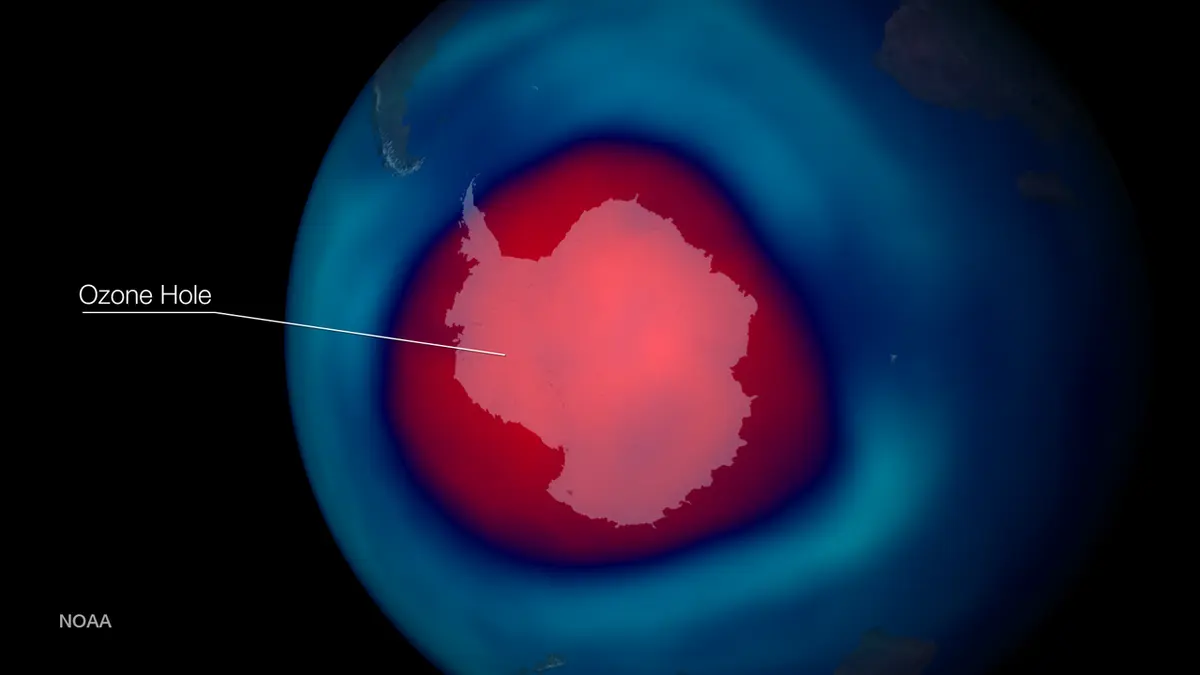
On 20 September 2026, the Antarctic ozone hole covered 27.3 million square kilometres, about 31% above the average for this point in the season over the past 20 years. It ranks among the largest in 48 years, a sharp swing from 2025, when it was the fifth smallest since 1992. This year's size makes a striking headline, but area is only part of the picture.
A wide hole is not automatically a deeply depleted one. Satellite measurements found that ozone loss at its deepest stayed close to average this year. So the hole covered more of the sky, without having unusually deep ozone depletion.
The main driver was an unusually strong, persistent polar vortex, a large ring of cold, rotating air around the pole. It kept temperatures in the Antarctic stratosphere favorable for ozone loss for longer, giving the hole more time to spread.
The hole is seasonal. It usually starts forming in August, grows through September and reaches its largest size between mid-September and mid-October. As the southern hemisphere spring warms the stratosphere, ozone loss slows and the vortex weakens before breaking down. The hole usually closes by the end of December, when ozone levels return to normal.
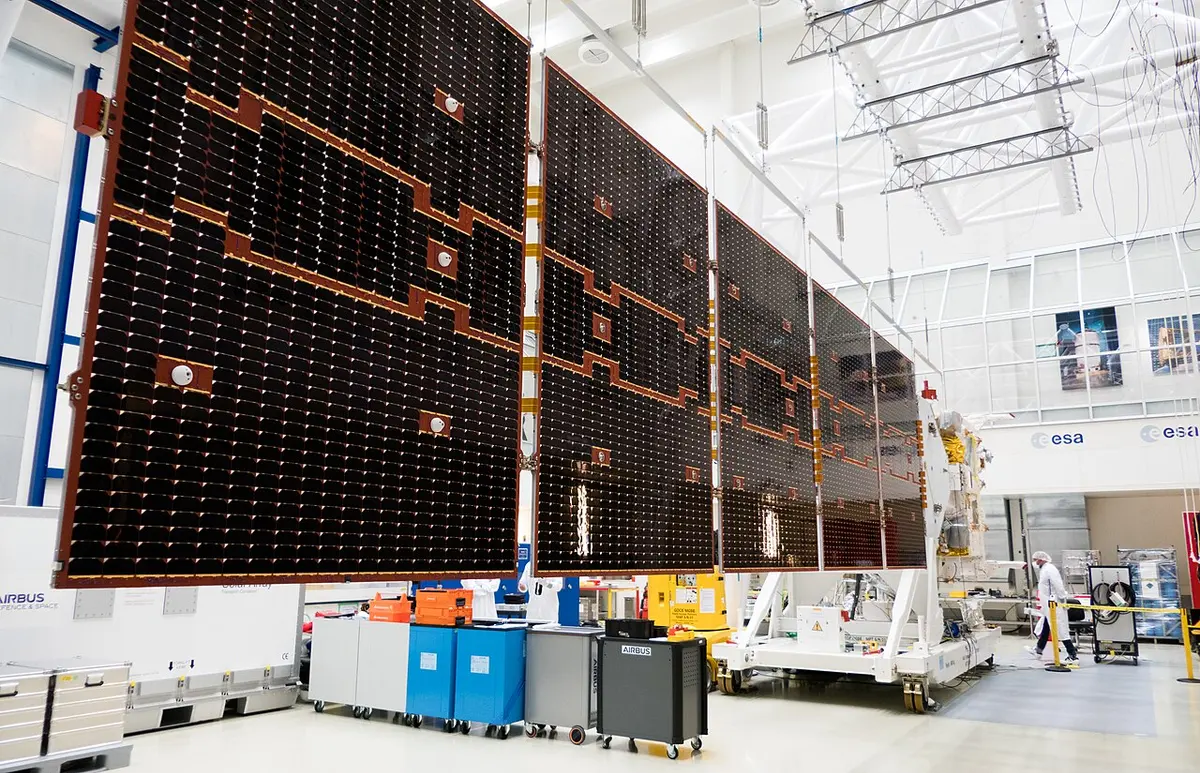
That seasonal cycle helps put this year's map in context. Copernicus Sentinel-5P measures the hole from space, which matters in Antarctica, where ground measurements are limited. A steady satellite record helps scientists distinguish natural swings from longer-term changes and track the ozone layer's longer-term progress.
The European Space Agency's assessment is that long-term recovery remains on track. A yearly size ranking is a sharp snapshot, but a snapshot is not the trend. You can get a clearer picture by looking at whether observations show recovery over time.