Earth's temperature anomaly set a record on 20 November 2026. Preliminary data from the Copernicus Climate Change Service, the EU's climate monitoring service, put the gap at 2.12 degrees Celsius. It was the most anomalously hot day ever measured.
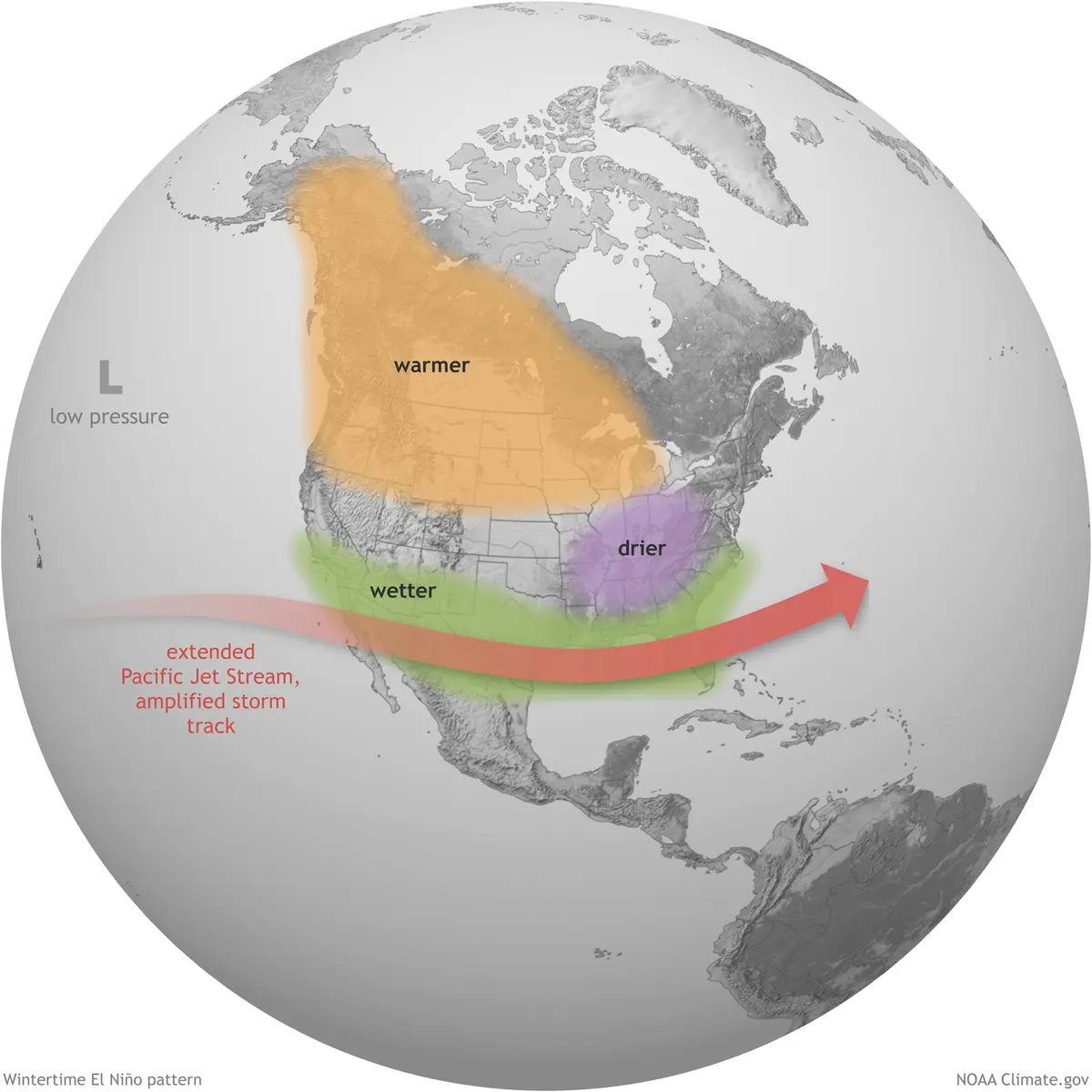
El Niño is the warming phase of a Pacific Ocean climate pattern. Scientific American ties the record to human-driven warming and describes the strengthening El Niño as likely the strongest in the past 1,000 years.
You might see "2 degrees" and think the Paris climate limit has already been crossed. The key difference is time: this was one day's reading, while the agreement's limits are judged using temperatures averaged over many years. The world's long-term warming is nearly 1.4 degrees Celsius above preindustrial levels.
Climate Central scientist Zachary Labe expects more days above 2 degrees over the coming months, perhaps through March 2027, but expects them to remain rare among all days. The report leaves 2026's annual ranking open: it could set a new record or finish level with 2024.
The record arrives as COP31 ended without an agreement on a final deal. The long-term average is the measure to watch: it shows whether this daily record becomes part of a lasting shift.