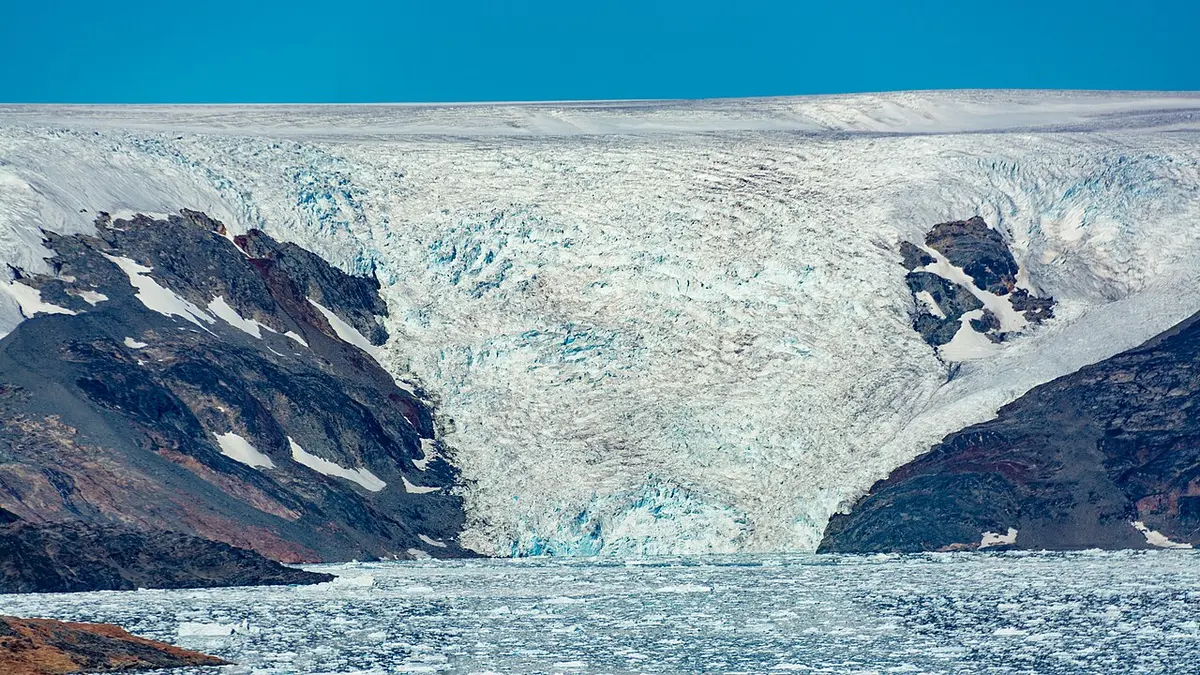
Earth's cryosphere, the frozen parts of land and water, has moved outside a range scientists consider safe for people and ecosystems. A study in the journal Science looked at four signs of change: land ice, sea ice, snow cover and frozen ground.
The researchers compared those signs with the range seen during the Holocene, the 11,700-year period when human civilizations developed. Their study found that all four signs have moved, or are expected to move, beyond that past range.
Sea ice and snow cover have already fallen below their historical ranges. Temperatures in permafrost, ground that stays frozen for years, are 0.8 °C above their past range. That makes the finding more than a warning about a possible future shift: parts of the change are already visible.
Land ice has not yet crossed its historical range. But the researchers estimate that the loss that would follow if today's climate continued would exceed that range, with a volume equal to more than 490 billion litres of water. They call this a committed loss: a future change expected under today's climate, even as the ice responds slowly to warming.
You can think of the four measures as different parts of one system, rather than a single ice level. The study links their decline to lasting risks for people and ecosystems. Co-author Lan Wang-Erlandsson described the system as slow to respond, which is why today's conditions matter for changes that unfold over time.
The key question is how quickly greenhouse gas emissions fall. The researchers say the cryosphere's future depends on returning to a climate before overshooting the Paris temperature target. Help cut greenhouse gas emissions quickly.