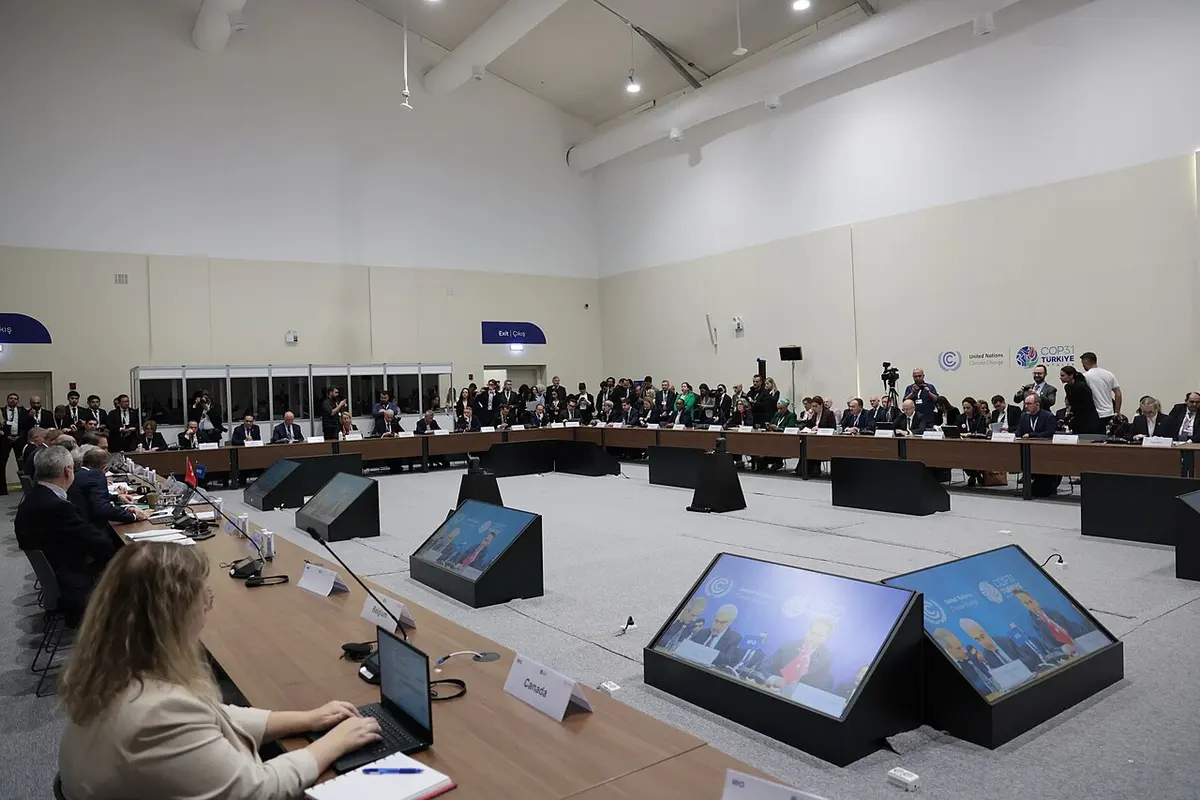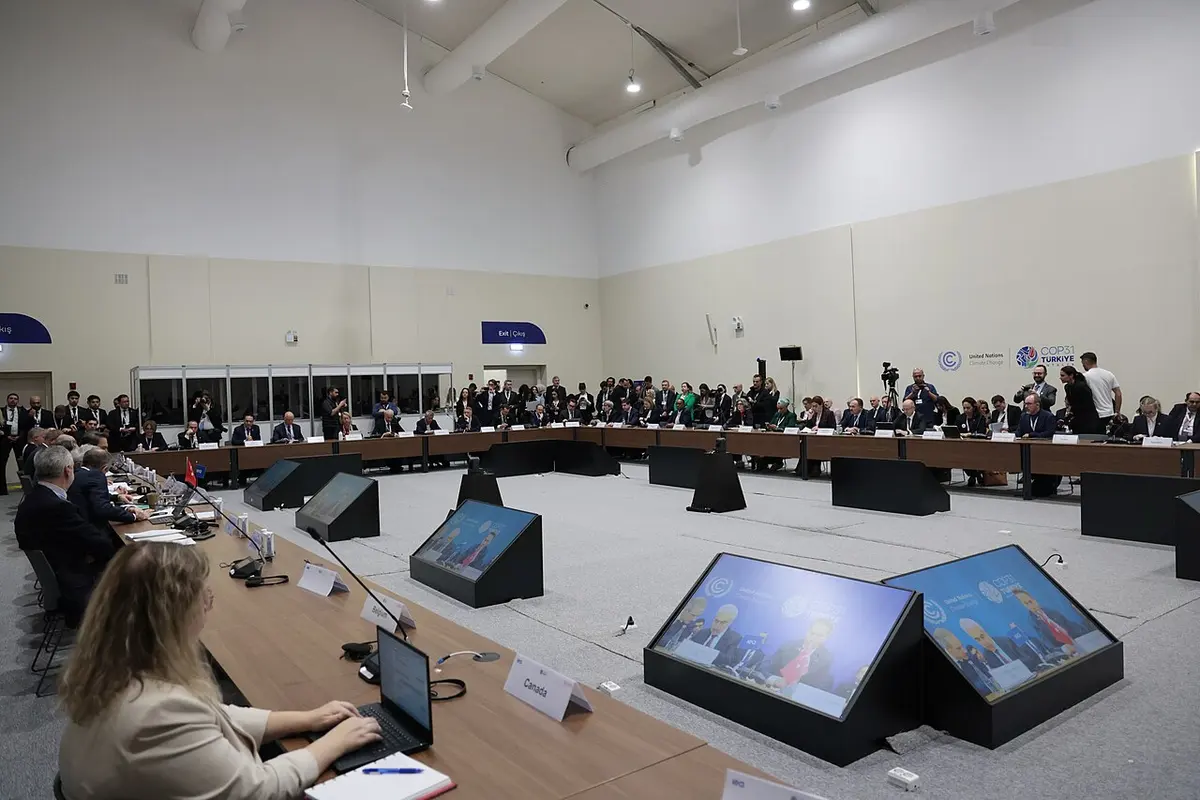
A draft at COP31, the UN climate conference, calls for an immediate shift away from fossil fuels. It also seeks faster action to phase them out of energy systems, putting coal, oil and gas at the center of the talks.
The proposal would triple climate adaptation finance for developing countries to at least $120 billion. If you live somewhere facing climate impacts, adaptation means preparing for them. That funding could help countries respond to problems such as floods and drought, which can destroy homes and crops. Some campaigners want the money to come as grants, not loans.
Energy is another sticking point. The draft sets out a goal of raising the share of the world economy that runs on electricity to 35% by 2035. It says electrification can bring benefits even when the electricity mix includes fossil fuels. Many delegates want the shift tied strictly to renewable energy, and the draft leaves that debate open.
Stronger wording on fossil fuels matters because producing countries have pushed back against tougher language in past COP decisions. The proposal is still a draft, though. Delegates have to agree on its terms before they become part of a final deal. The Guardian's account of the talks notes that some observers doubt the hosts can secure the proposed language.
The text also says the 1.5°C warming threshold agreed in 2015 may be exceeded. It calls for limiting how far and how long warming goes beyond that level, then bringing it below 1.5°C as soon as possible. The draft urges rapid scaling of technologies that capture and store carbon dioxide, a greenhouse gas. Ani Dasgupta, president of the World Resources Institute, called for carbon removal through restoring forests and wetlands, as well as emerging technologies that capture carbon from the air.
The draft puts emissions cuts and help with climate impacts in the same negotiation, which reflects the choices facing countries with very different resources. The key test is whether the final deal keeps both aims, and turns the proposed adaptation funding into support countries can use.