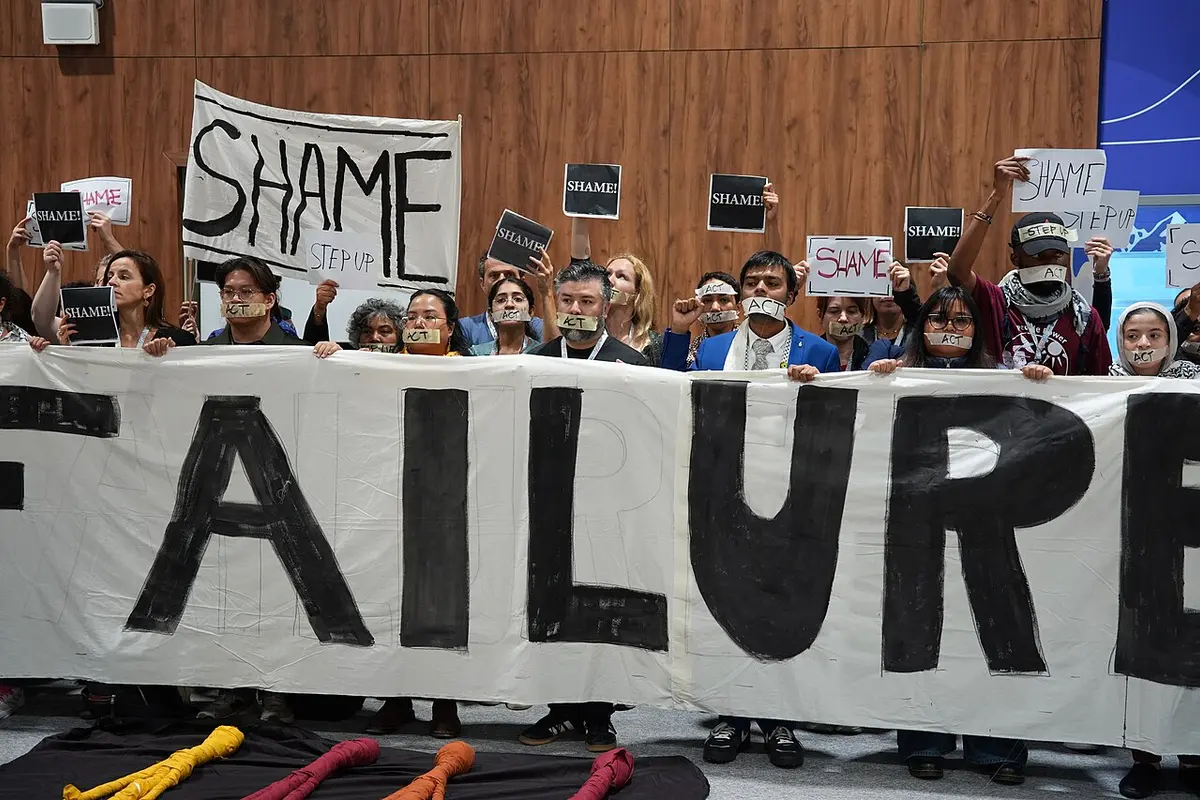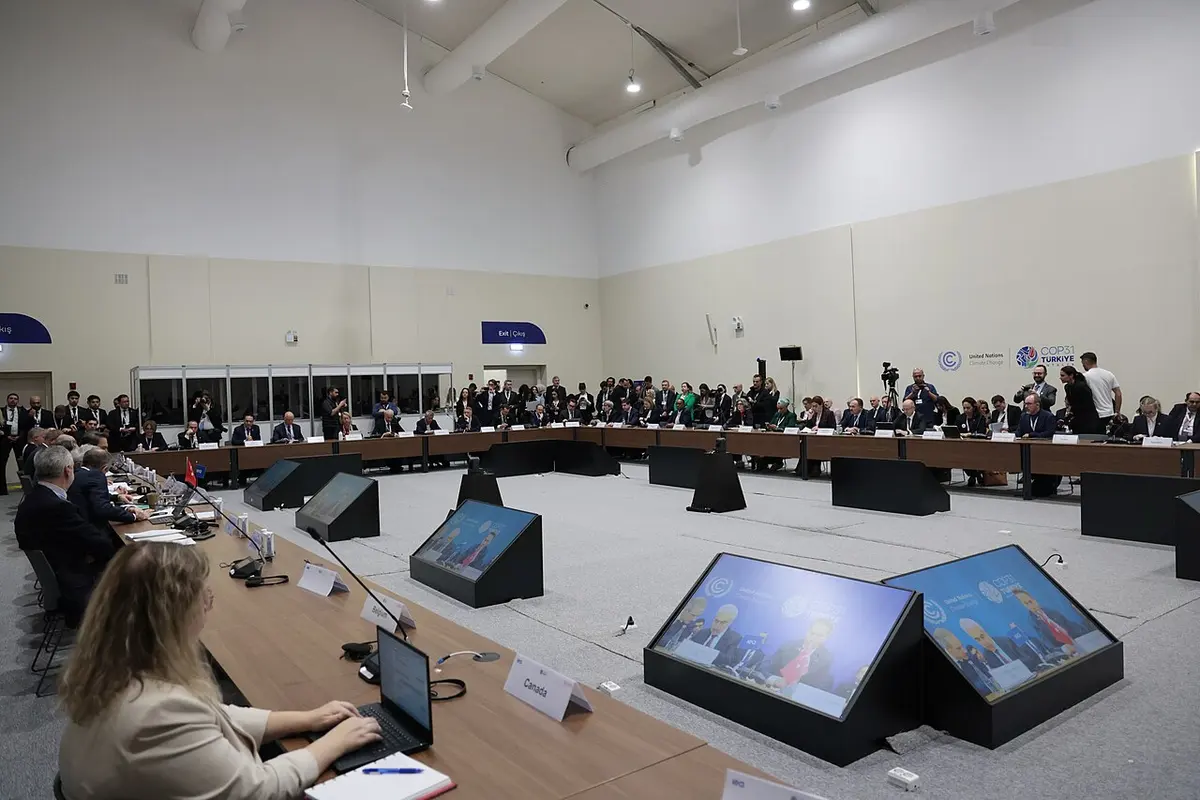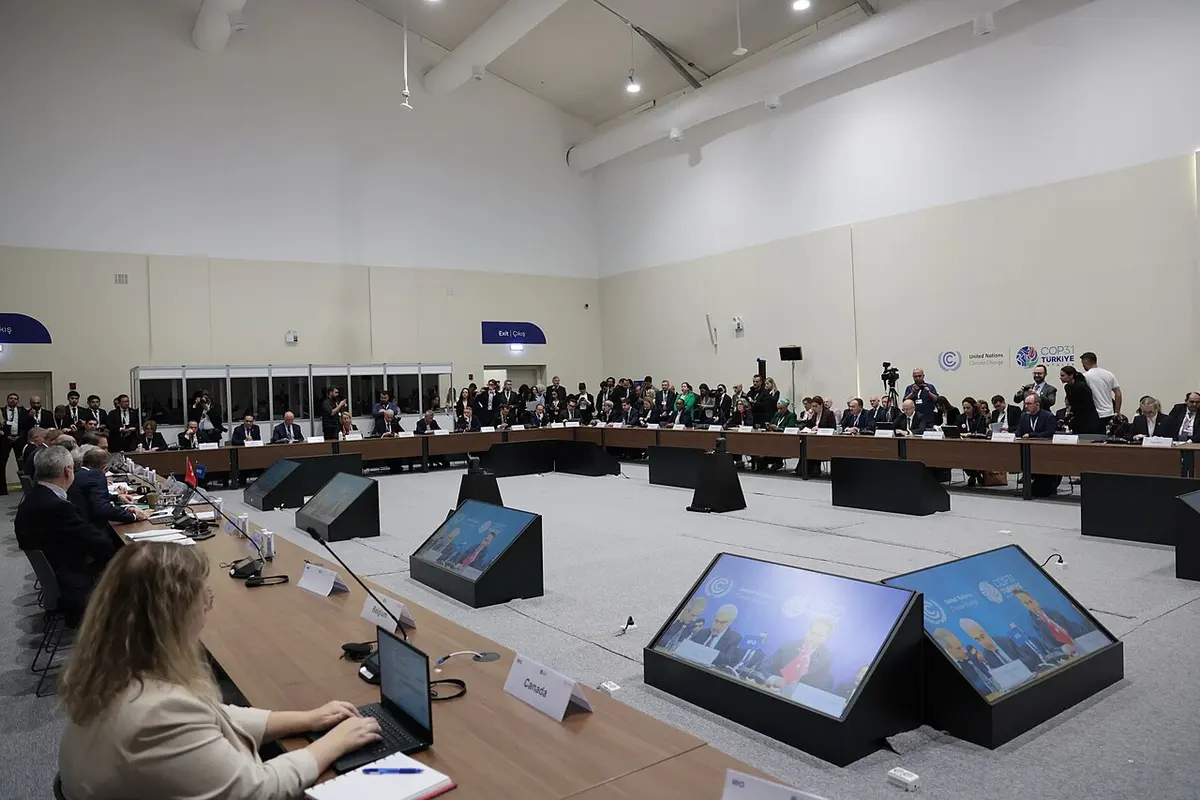
Nearly 200 countries are still trying to agree on a deal at COP31, the UN climate summit in Antalya, Turkey. A new draft appeared early on 22 November, but the meeting to consider it was delayed.
The draft names no fossil fuels and sets no direct plan to move away from them. Instead, it recalls a commitment countries made in Dubai in 2023 to transition away from fossil fuels. That gives the earlier pledge a place in the text, but leaves the fuels themselves unnamed. Saudi Arabia and other oil-rich countries have opposed an explicit reference to phasing them out. The earlier COP31 draft called for a faster shift away from fossil fuels; the second, pared-down version removed mentions of coal, oil and gas.
The draft retains a target for electricity to make up 35% of global energy use by 2035. It doesn't say that electricity must come from renewable sources such as wind or solar. It also calls for faster use of carbon capture and storage, which captures carbon dioxide and stores it underground. Some countries object to the technology because they see it as a way to keep burning fossil fuels.
Money remains another sticking point. If climate impacts affect you, the draft gives no specific amount for adaptation funding. Developing countries have sought more funding to help them adapt, while the European Union and Pacific states have pushed to restore a clear fossil fuel commitment.
The text also recognizes that the world is on track to miss the goal of keeping warming below 1.5°C. Talks have gone past their 20 November deadline, and countries need consensus to approve a deal. If they can't reach it, negotiations could be suspended until next year, according to the BBC's account of the talks.